
Oct 30, 5:01 AM
When the Tap Runs Dry: Papua New Guinea's Unprepared Grid Meets El Niño
A severe drought leaves eight million citizens stranded between agricultural failure and bureaucratic paralysis.
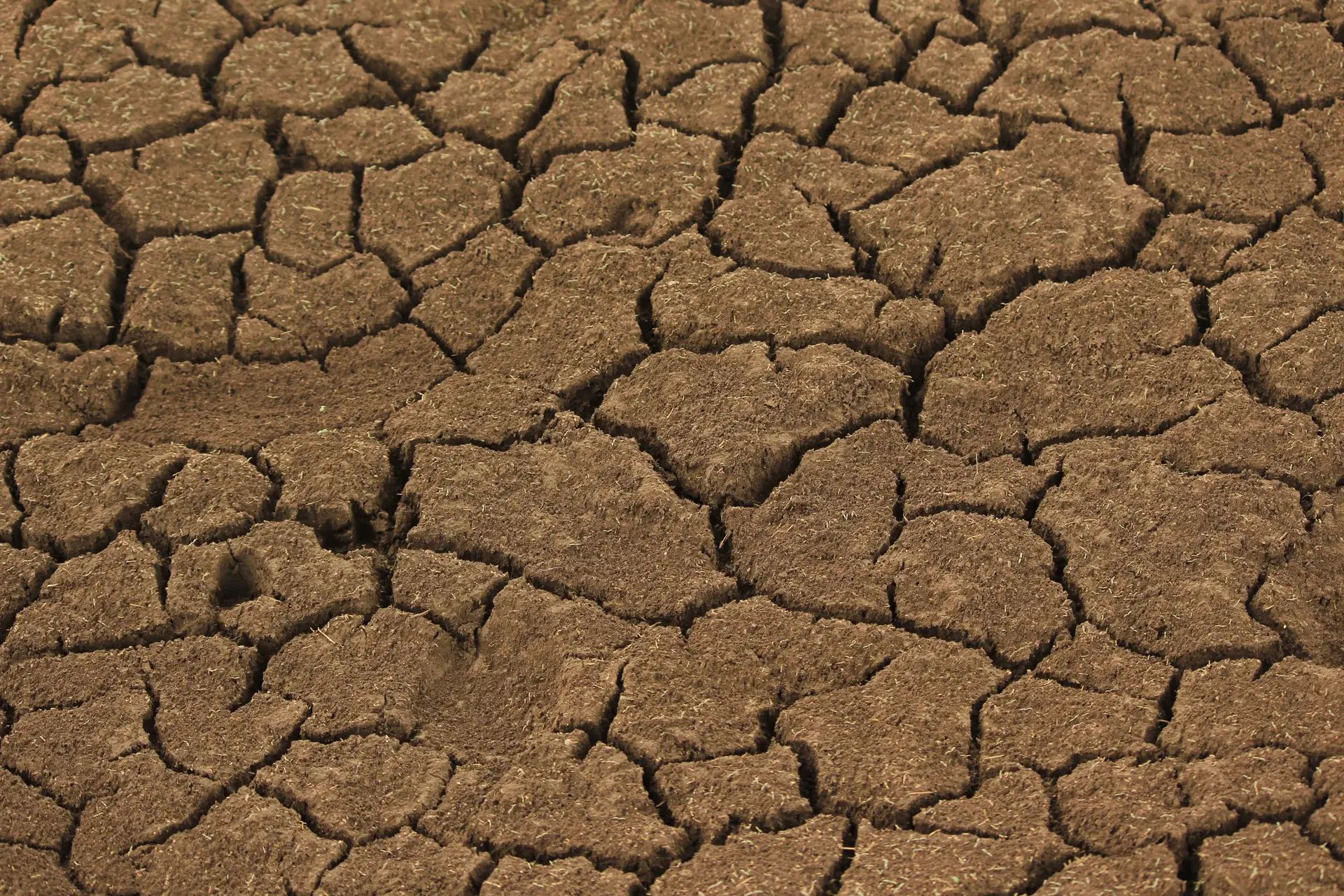
When a rain-fed tropical nation runs out of rain, the limits of state planning become abruptly visible. Papua New Guinea, usually among the wettest corners of the planet, is discovering what happens when a predictable Pacific climate cycle crashes into an unprepared society. An historic El Niño has reduced rainfall in parts of the country to under a quarter of its usual levels since August. The result is not merely an environmental event, but a full-spectrum collapse of basic local infrastructure affecting eight million people.
In the rural hinterlands, the damage is immediate and brutal. Subsistence farming, which sustains the majority of the population, has effectively ground to a halt. In the Eastern Highlands, fields of plantains have gone up in smoke and tomato crops have withered. In parts of Enga province, an untoward hailstorm added insult to injury by burying sweet potato fields in ice.
Highland families have been reduced to rationing themselves to a single meal each day, while women walk hours to find potable water. When local economies dissolve into desperation, even basic gold panning in dried riverbeds turns impossible.
Yet the crisis is no longer confined to remote villages. In the capital, Port Moresby, the illusion of urban detachment is wearing thin as smoke haze from island and Indonesian brushfires hangs in the air. More critically, dropping dam levels have forced PNG Power to institute rolling blackouts that could linger for up to ten months. When hydropower fails, the modern sector learns what the rural periphery already knows: administrative promises are a poor substitute for fundamental resource management.
Civil society groups and business leaders have openly called the situation a national crisis, pointing out a stark absence of coordinated planning to safeguard vulnerable populations. In response, officialdom offers its familiar cadence of administrative posturing. Prime Minister James Marape announced that his administration is evaluating its financial rules, stating that Cabinet is looking at tailoring provisions of our financial instructions to make sure that districts and provinces are assisted to respond to disasters as they happen where appropriate.
Whether bureaucratic tinkering with financial instructions will arrive in time to refill dried reservoirs or revive withered crops remains dubious. Short-term relief during the upcoming wet season may offer brief respite, but weather authorities warn the El Niño pattern could curtail the rainy period significantly. Two months of rain cannot instantly restore depleted water tables or reset destroyed agricultural cycles. For a nation dependent on nature's goodwill, the drought exposes an uncomfortable reality: nature gives, nature takes, and the state mostly watches.
Written by Thomas Nussbaumer thomas.nussbaumer@alpineweekly.com