Jul 18, 6:03 AM
When the barbecue becomes a legal problem
A dry Swiss summer has turned a simple outdoor meal into a test of local rule-reading.
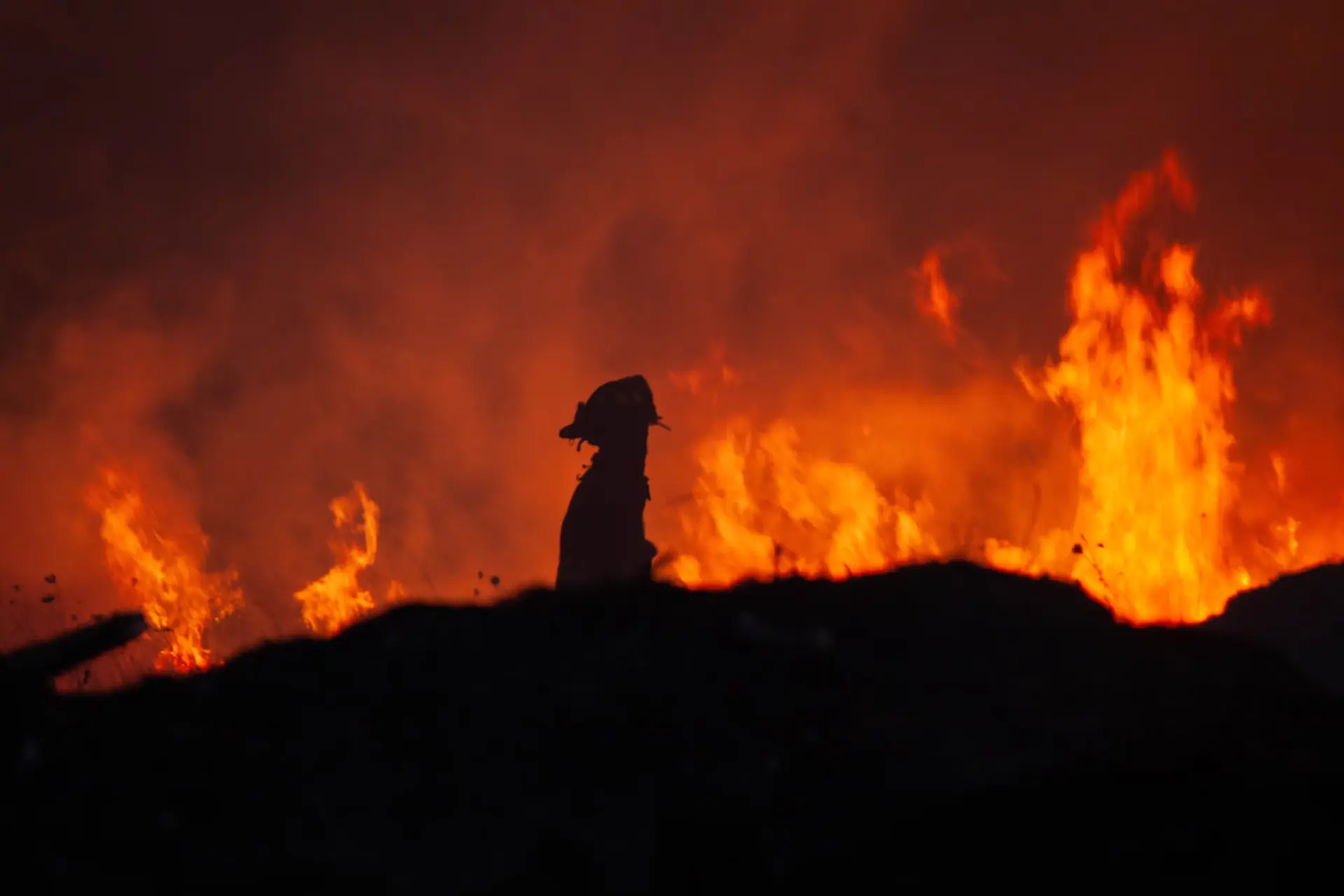
Swiss summer has acquired a talent for turning ordinary habits into administrative puzzles. With heat and persistent drought drying out large parts of the country, wildfire danger is high, and the response from the authorities is a familiar Swiss one: a patchwork of canton and municipal rules, each with its own fine print. The practical question is not whether the ground is dry. It is whether your balcony, garden or barbecue happens to sit on the right side of a local ban.
That patchwork starts with the harshest category, danger level 5, which means very high risk. In many cantons and dozens of municipalities, any fire in the open is banned outright, including at official forest fire sites and with charcoal grills. The ban also covers private gardens and balconies, and fireworks are forbidden as well. Glarus, Fribourg, Neuchâtel, St. Gallen, Solothurn, Thurgau, Uri and Valais are among the cantons affected, while several regions in Graubünden and cities such as Zurich, Winterthur and Uster are also under absolute restrictions.
Danger level 4 is only slightly less severe and still leaves little room for summer improvisation. Fires are banned in forests and near forests, usually within 50 to 200 metres. Even officially equipped barbecue sites are off limits. The reason is plain enough: a burning match, sparks from a grill or a lightning strike can start a fire with alarming ease. At this level, fireworks are also banned. Aargau, Basel-Land, Basel-Stadt, both Appenzell, Geneva, Jura, Lucerne, Nidwalden, Obwalden, Schaffhausen, Schwyz, Zurich and Zug are among the cantons applying such rules, along with several regions in Bern.
The restrictions do not stop with flames. In several cantons, taking water from certain bodies of water is also prohibited. Many municipalities and parts of cantons have issued warnings and ordered extreme caution, and some local authorities have gone further and imposed their own absolute bans. Gas and electric grills are usually still allowed in built-up areas, provided they stand on solid ground. So the national pastime survives, but only in a more obedient, less smoky form.
Enforcement is not left to goodwill, which would be charming if it worked. Municipal police, cantonal police, game wardens and forest wardens are checking known barbecue sites and forest edges. Anyone who grills where it is not allowed can be reported, even if no fire breaks out. The case then goes to the district office or the public prosecutor. In other words, the offence is the act itself, not the damage it may or may not cause.
The lower warning levels are hardly reassuring. At level 3, burning matches and sparks from a grill can still start a fire. Level 2 means spontaneous fires can occur locally, while level 1 still does not rule out small fires. The scale is supposed to guide behaviour, but in a dry summer it mainly confirms that the landscape is one gust away from trouble.
The fines are no joke either. They start at 100 francs and can, depending on canton and danger level, quickly climb into the thousands, as the Beobachter reports. For anyone tempted to treat a fire ban as a polite suggestion, that should be enough to cool the mood.
Written by Thomas Nussbaumer thomas.nussbaumer@alpineweekly.com