Jul 19, 10:01 AM
When ski resorts become summer fire reserves
Adelboden-Lenk shows how a winter system can double as emergency infrastructure when Switzerland runs short of water and patience.
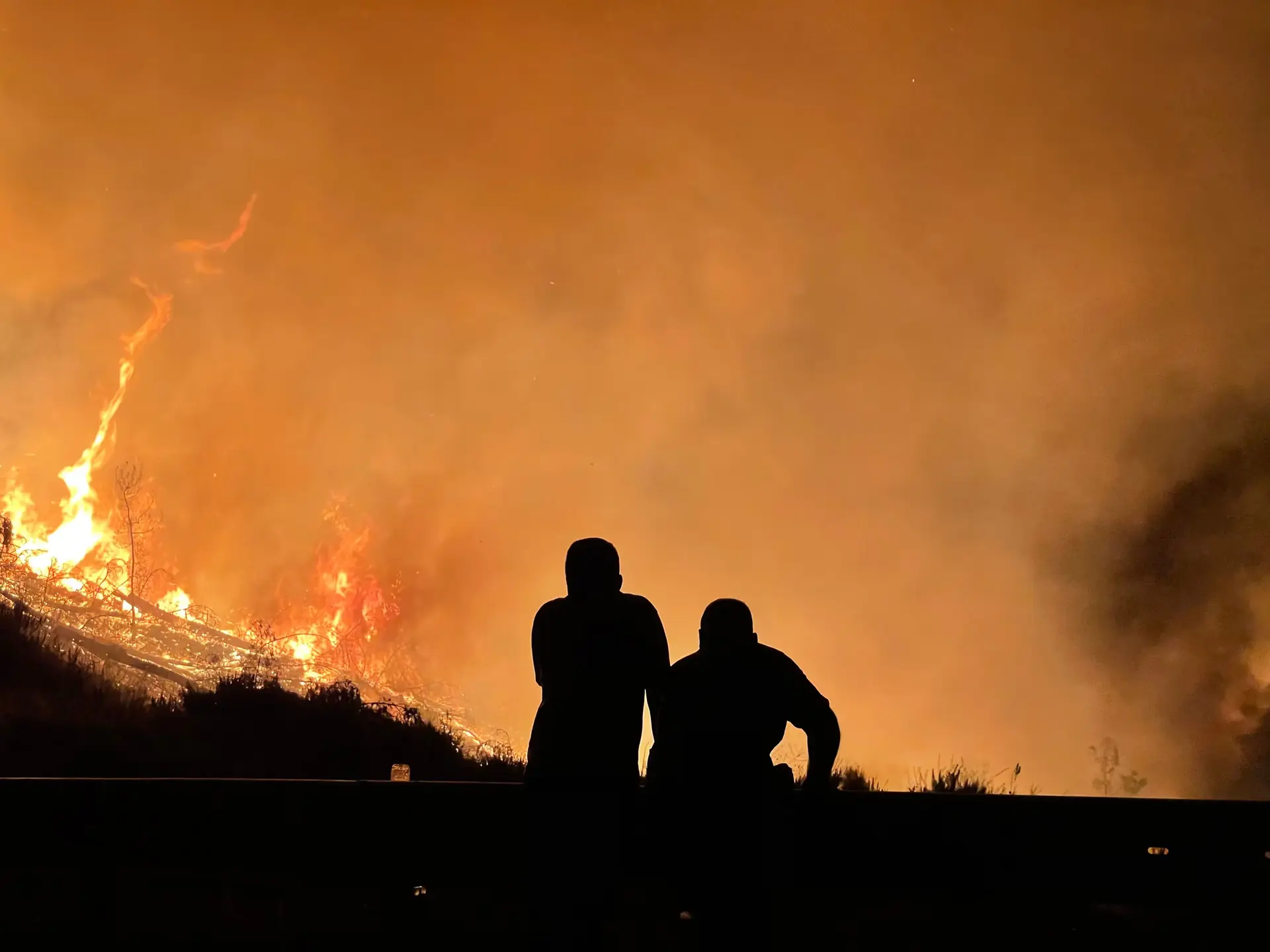
A ski area is usually judged by its snow cover, not by its usefulness in a crisis. Yet heat, dry soil, low water levels and too little rain have pushed wildfire danger across Switzerland to high or very high levels, according to the Federal Office for the Environment. That has led to an awkwardly sensible question: if mountain infrastructure can make artificial snow in January, why should it sit idle when the country is dry in July?
Adelboden-Lenk in the Bernese Oberland offers a neat answer. A reservoir there feeds pipelines across the ski area, and those same lines supply the snow cannons in winter. In summer, said Stefan Buchs, the operating manager of Bergbahnen Adelboden Lenk, the water could be sent through the network again if needed. The fire service would be able to tap it where required, and helicopters could also take water directly from the lake. Not glamorous, perhaps, but useful — which is more than can be said for much of public planning.
The idea is not a Swiss invention. Abroad, snowmaking systems have already been pressed into service against fires. During the Bridge Fire in California in September 2024, Mountain High used its snow cannons as giant sprinklers to protect buildings and lift installations. In Australia, Mount Buller has built a bushfire concept around more than 300 snow cannons, remotely activated and capable of spreading about one million litres of water an hour across the terrain. Some manufacturers have even gone one step further and developed dedicated wildfire systems based on existing snowmaking infrastructure. SMI Snow Makers in the United States, for example, markets FireCat, which uses existing pumps, pipes and hydrants and can be deployed either stationary or mobile.
Switzerland, naturally, is not rushing to reinvent the wheel; it is simply discovering that the wheel already exists in the mountains. Berner fire inspector Christian Bieri says the canton has included snowmaking installations in its emergency planning. If a fire were to break out in the region, the fire service could contact the Bergbahnen, and the short distances in the area would help. Water can also be pumped between different storage lakes so that each region has enough supply. The state, on rare occasions, does appear capable of planning ahead when the smoke is not yet in the room.
The obvious concern is whether fighting a fire would drain the winter supply. Buchs does not think so. The Leiterli reservoir holds up to 60 million litres of water, and he said it would take a very large blaze to empty it. Even then, there should still be enough left for snowmaking in winter. The resorts themselves have an interest in keeping fires under control quickly, because a burned mountain does not attract many skiers. If their reservoirs can help in summer and still serve in winter, that is less a grand environmental strategy than a sensible bit of insurance. In a country that often prefers tidy systems to hard choices, that already counts as progress.
Written by Andreas Hofer andreas.hofer@alpineweekly.com