Jul 18, 10:01 AM
When a hobby fish becomes a lake resident
In Lake Sampaloc, a decorative hybrid bred for aquariums has slipped into the food chain and is now testing the patience of native species, local fish farmers and, potentially, public health.
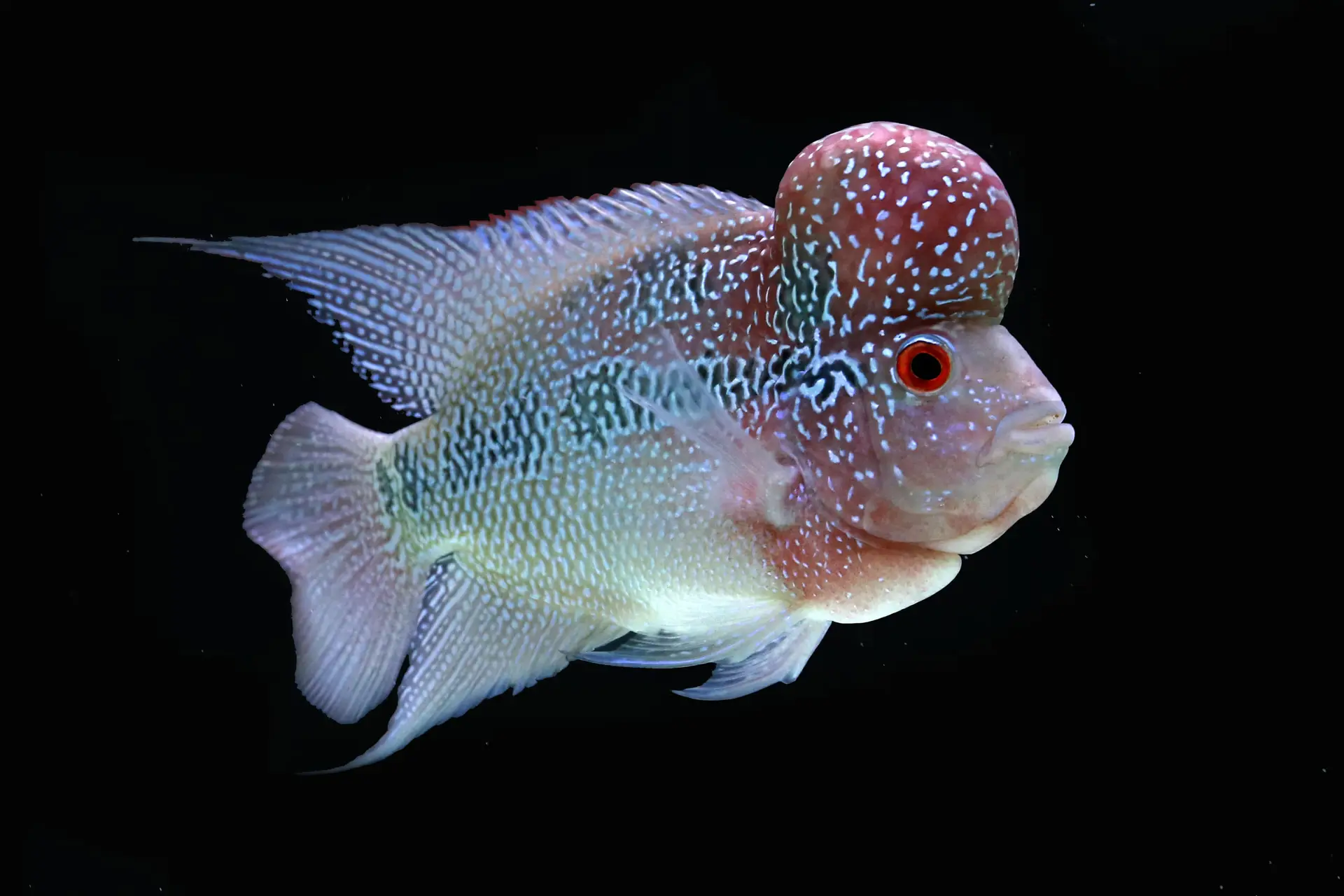
Lake Sampaloc is not supposed to be a laboratory for accidental ecological experiments, yet that is increasingly what it resembles. In this 104-hectare volcanic crater lake in the Philippines, flowerhorn cichlids — hybrid fish bred for their bright colours and odd, inflated foreheads — have moved from aquarium novelty to permanent resident. The species is believed to have escaped breeding facilities during a typhoon, and from there the usual human logic took over: what was released once was soon tolerated, traded and, in some cases, deliberately stocked again.
Researchers Hannah Nicole C Gasmen and Janice A Ragaza of Ateneo de Manila University say the fish have found a foothold because they are as tough as the tilapia that already underpin local food production and commerce. That adaptability is precisely the problem. Flowerhorns are now entering tilapia cages, surviving in polluted waters and competing for food, shelter and breeding ground. In a lake already burdened by sewage, household runoff, aquaculture nutrients and plastic waste, the arrival of another aggressive generalist species is hardly a reassuring development.
The native ayungin, or silver perch, once common in the lake, has become increasingly rare and is now classified as endangered by the International Union for Conservation of Nature. That is the sort of quiet ecological decline that tends to attract attention only after the damage is done. A degraded habitat invites invaders, and cichlids, as Rupert Collins of the Natural History Museum in London observed, are remarkably good at adapting. Human interference, in other words, has once again created the conditions for more human interference.
The researchers also raise a less picturesque concern: parasites. Some flowerhorns kept in captivity have carried Paracapillaria philippinensis, a roundworm capable of infecting humans. The parasite has not been found in Lake Sampaloc’s flowerhorns, but the warning is plain enough. Some people are already fishing for the species recreationally and cooking it. Turning an invasive ornamental fish into a dinner option may sound resourceful until biology reminds everyone that shortcuts are often expensive.
There is a broader lesson here, and it is not a flattering one for the global habit of moving species around for profit or pleasure. Collins notes that releases outside natural ranges are a major driver of biodiversity loss worldwide. Dr Noël Juvigny-Khenafou of the University of Stirling adds that climate change may make the picture messier still, by shifting aquaculture and widening the map of where non-native species can end up.
The proposed remedies are practical rather than magical: stronger pens, finer mesh, overflow barriers, regular inspections and community monitoring. The researchers also suggest that invasive fish could be harvested for aquafeed, provided they are screened for pathogens, heavy metals and microplastics. Gasmen’s conclusion is blunt enough to survive the usual policy fog: protecting aquatic ecosystems will require communities, research institutions and policymakers to work together. One might add that it would help if the people moving fish around in the first place stopped pretending the lake would sort itself out.
Written by Andreas Hofer andreas.hofer@alpineweekly.com