Nov 12, 5:01 PM
Uzbekistan Outlines Central Asian Climate Plan and €264 Million Adaptation Fund at COP31
President Shavkat Mirziyoyev presents a regional cooperation framework in Antalya as international funds allocate resources for land restoration.
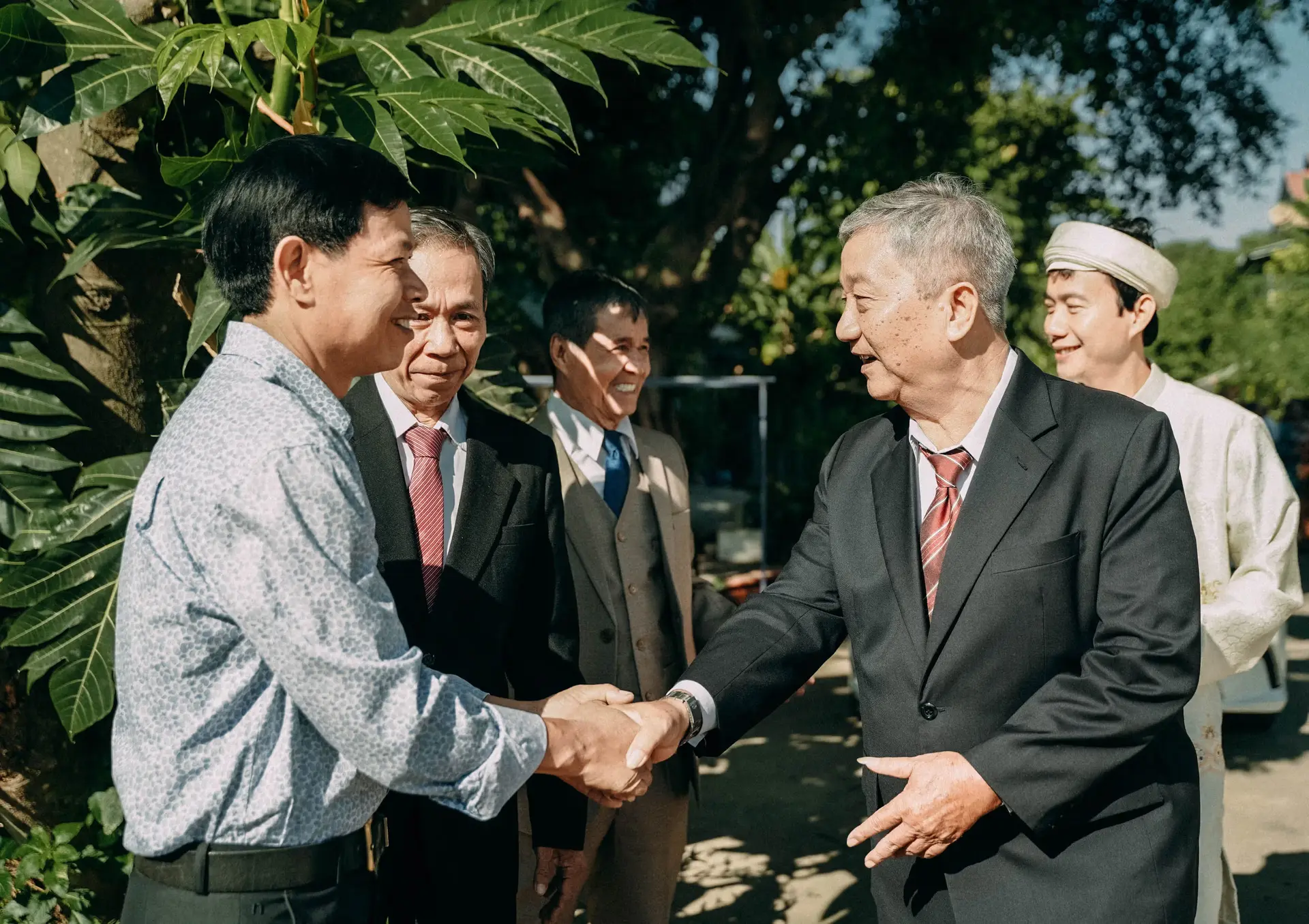
At the UN climate conference COP31 in Antalya, Türkiye, President Shavkat Mirziyoyev of Uzbekistan presented a framework for regional climate cooperation across Central Asia. Speaking to international delegates, Mirziyoyev stated that no country can address the challenges of climate change on its own, calling for joint measures among neighboring states to address shared environmental pressures.
The proposal comes as data from the World Bank indicates that Central Asia's glacier surface area has contracted by approximately 30 percent over the past six decades. To mitigate the impact on water supplies, agriculture, and energy production, Uzbekistan proposed a three-part Climate Integration Model. The plan includes establishing a regional environmental risk exchange with support from the World Meteorological Organization, institutionalising the annual Central Asia ECO-EXPO into a permanent technology platform, and securing concessional grants through international development institutions.
Simultaneously, details were finalised for the Climate-Resilient Landscapes in Central Asia (CLiCA) initiative, a €264.4 million seven-year programme approved by the Green Climate Fund on 28 October 2026. Set to begin implementation in 2027, the programme targets Uzbekistan, Kyrgyzstan, and Tajikistan, drawing financial support from the Green Climate Fund and German development partners, with potential participation from the European Investment Bank.
Within the programme, €103.7 million is designated specifically for Uzbekistan. Planned interventions include the restoration of 18,000 hectares of forest land and 123,000 hectares of pasture, the rollout of drip irrigation systems, and the distribution of drought-resistant crop varieties. Approximately 12,000 farmers will receive technical advisory services, with total measures intended to enhance climate resilience for 342,000 residents in the country.
On national goals, Mirziyoyev noted that Uzbekistan has already reached its target of reducing greenhouse gas emissions per unit of GDP by 35 percent ahead of schedule. The government aims to generate 54 percent of its electricity from renewable sources by 2030, and is slated to assume the presidency of the International Fund for Saving the Aral Sea in 2027.
During the summit, Mirziyoyev held bilateral discussions on climate finance and water security with Green Climate Fund Executive Director Mafalda Duarte, World Meteorological Organization Secretary-General Celeste Saulo, and representatives from the World Bank and the European Bank for Reconstruction and Development. Additional talks were conducted with Finnish President Alexander Stubb, Saudi Energy Minister Prince Abdulaziz bin Salman, UN officials Yasmine Fouad and Alexander De Croo, and the leaders of Georgia, Slovenia, and Bangladesh. Uzbekistan also concluded a formal environmental cooperation agreement with host nation Türkiye focusing on waste management and desertification.
Written by Sandy van Dongen sandy.vandongen@alpineweekly.com