Oct 26, 9:01 AM
Three Years and 900,000 Francs Later, Sand Returns to Lake Neuchâtel
State intervention steps in with heavy machinery to halt the steady erosion of Lake Neuchâtel's shoreline.
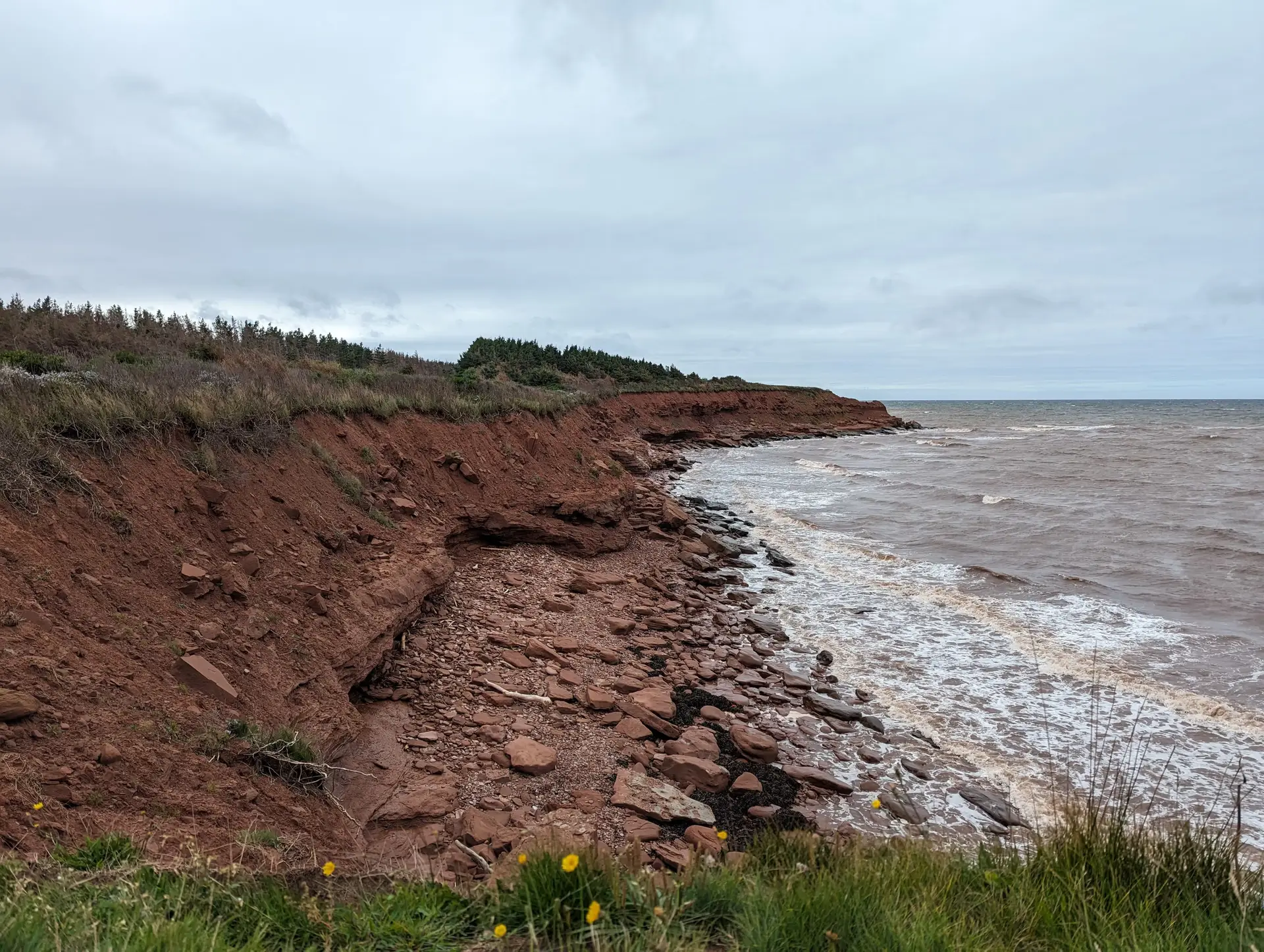
Nature moves at its own pace, but public administration takes its time too. On the shores of Lake Neuchâtel, wave action, boat traffic, and heavy water inflows quietly strip away roughly one meter of land every single year. Yet, finding a way to dump sand back onto the receding coast of the Grande Cariçaie required three full years of planning.
The solution to this routine hydrological problem finally arrived in the form of a massive floating suction dredger anchored 350 meters offshore between Cheyres and Yvonand. The operational blueprint is straightforward enough: the vessel digs down to a depth of 5.4 meters, vacuums up underwater sand, and pumps it toward the bank alongside water to form a gentle slope designed to withstand incoming waves. A total of 14,000 cubic meters of sand will be relocated to shore up just one kilometer of coastline. Following the dredging, workers will plant reed beds to rebuild the natural protective vegetation layer.
Where water was recently half a meter deep, a sand beach has already reappeared. The bill for this mechanical intervention stands at 900,000 Swiss francs, picked up by the cantons of Vaud and Fribourg alongside the Swiss Confederation.
The spending is defended by the immediate value of what lies directly behind the water line. According to Michel Baudraz, director of the Grande Cariçaie association, this single kilometer of shore shields ecologically sensitive natural areas, UNESCO World Heritage archaeological sites, and private residences located barely fifty meters from the water. Without intervention, these structures and habitats face inundation within a few decades.
Ludovic Piccand, whose company operates the dredger, oversaw the rollout of the three-year technical preparations. With the first stretches of restored beach already visible, the project is only halfway through its schedule. A second phase of dredging works is slated to begin in early 2027, ensuring that public funds will continue flowing into the lakebed to keep the shoreline standing still.
Written by Thomas Nussbaumer thomas.nussbaumer@alpineweekly.com