Oct 26, 11:01 AM
Street Riots by Invitation
As youth protests loom across 23 German cities, Berlin plays its favourite game of ignoring obvious security risks.
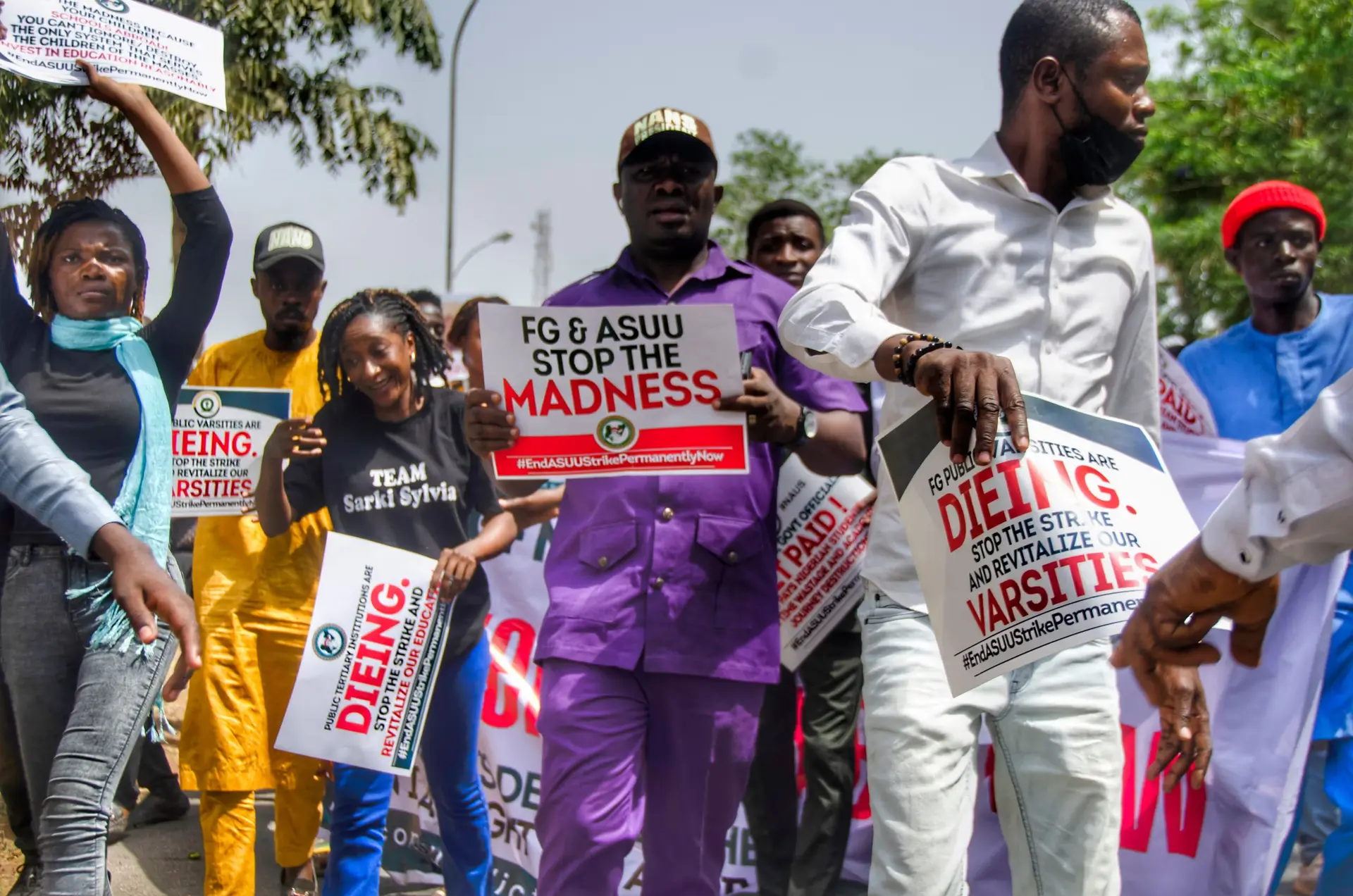
When the initiative "GenZ regelt" summoned supporters to demonstrate across 23 German cities on October 31, the response in political Berlin followed a thoroughly familiar choreography. Mindful of recent French urban warfare that left thousands in handcuffs, domestic policy spokesmen suddenly discovered their appetite for vigilance. Yet behind the solemn promises of police preparedness lies a state struggling with the visible side effects of two decades of systemic policy failures.
The warnings from parliament are unequivocal, even if overdue. Alexander Throm, domestic policy spokesman for the CDU parliamentary group, pointed out that supposedly peaceful youth rallies could easily be hijacked by left-wing extremists, elements of the migrant milieu, and opportunist criminals. Online calls to turn the rallies into battles are already circulating on social media networks. While SPD representative Sebastian Fiedler dutifully insisted that violent protests enjoy no legitimacy anywhere or at any time, one wonders why such fundamental truths still require official repetition.
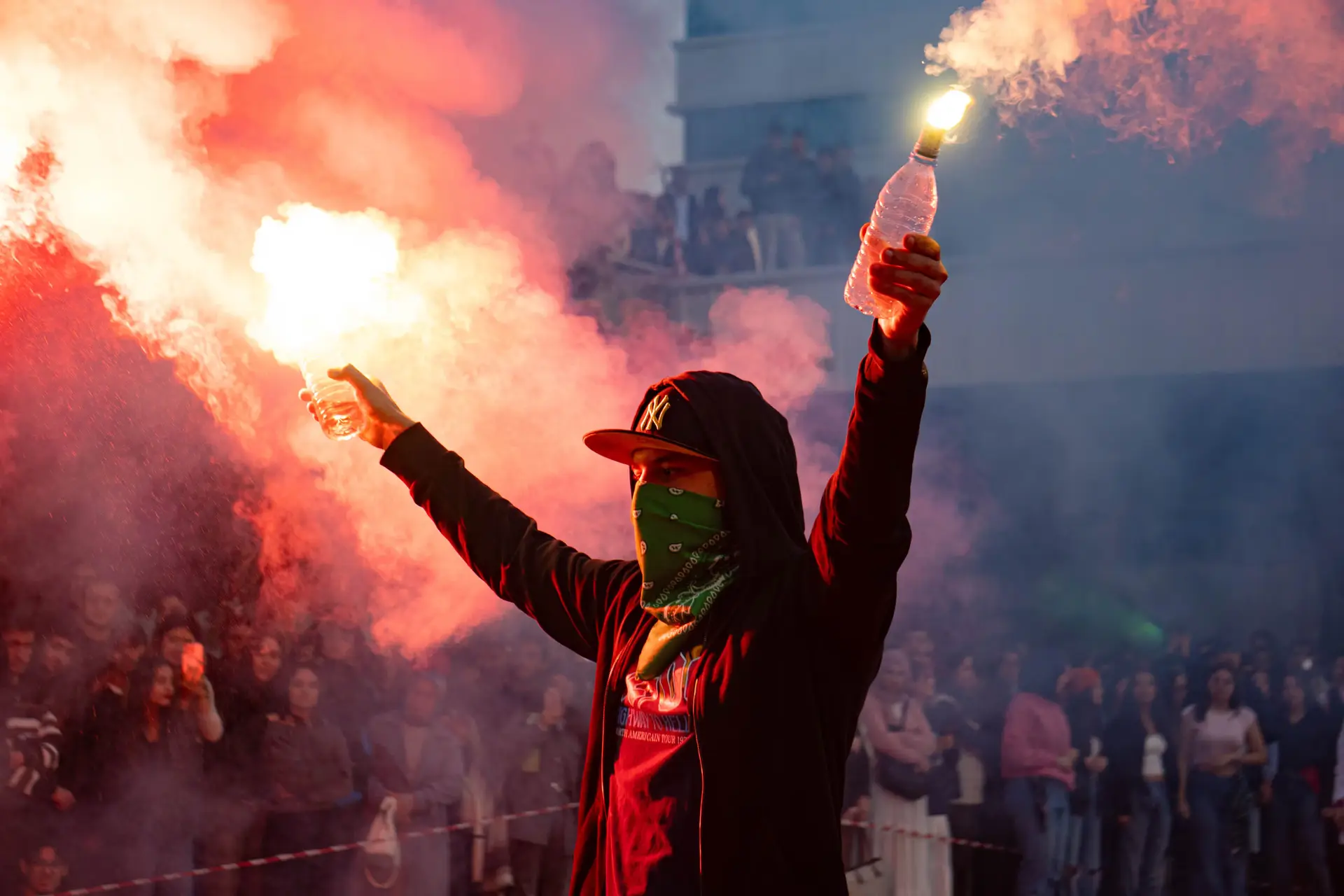
The European precedent offers little room for romanticism. French law enforcement faced a double front during recent riots: militant left-wing radicals searching for ideological combat with law enforcement, accompanied by disenfranchised youths from troubled immigrant suburbs who treated civil unrest primarily as an occasion for looting. Germany has spent years cultivating the exact same sociological conditions in its major urban centres, only to act surprised whenever the inevitable friction erupts on public squares.
Predictably, the political left hastened to warn against premature suspicion. Clara Bünger of Die Linke demanded concrete evidence before anyone dares mention foreign influence or extremist infiltration, urging the federal government to take youth grievances seriously rather than criminalise them. It is an impressive display of reflex: when faced with the risk of public disorder, the reflex of progressive politicians is not to bolster public safety, but to lecture the public on proper terminology. Whether local police forces can keep the peace on October 31 will depend on law enforcement, not on political sensitivity training.
Written by Thorben Thiede thorben.thiede@alpineweekly.com