Jul 22, 10:01 PM
The reef’s hidden census: scientists map a microscopic world no one had properly counted
A DNA survey of 48 reefs has turned the Great Barrier Reef into a catalogue of viruses and bacteria, with practical uses that go beyond scientific bragging rights.
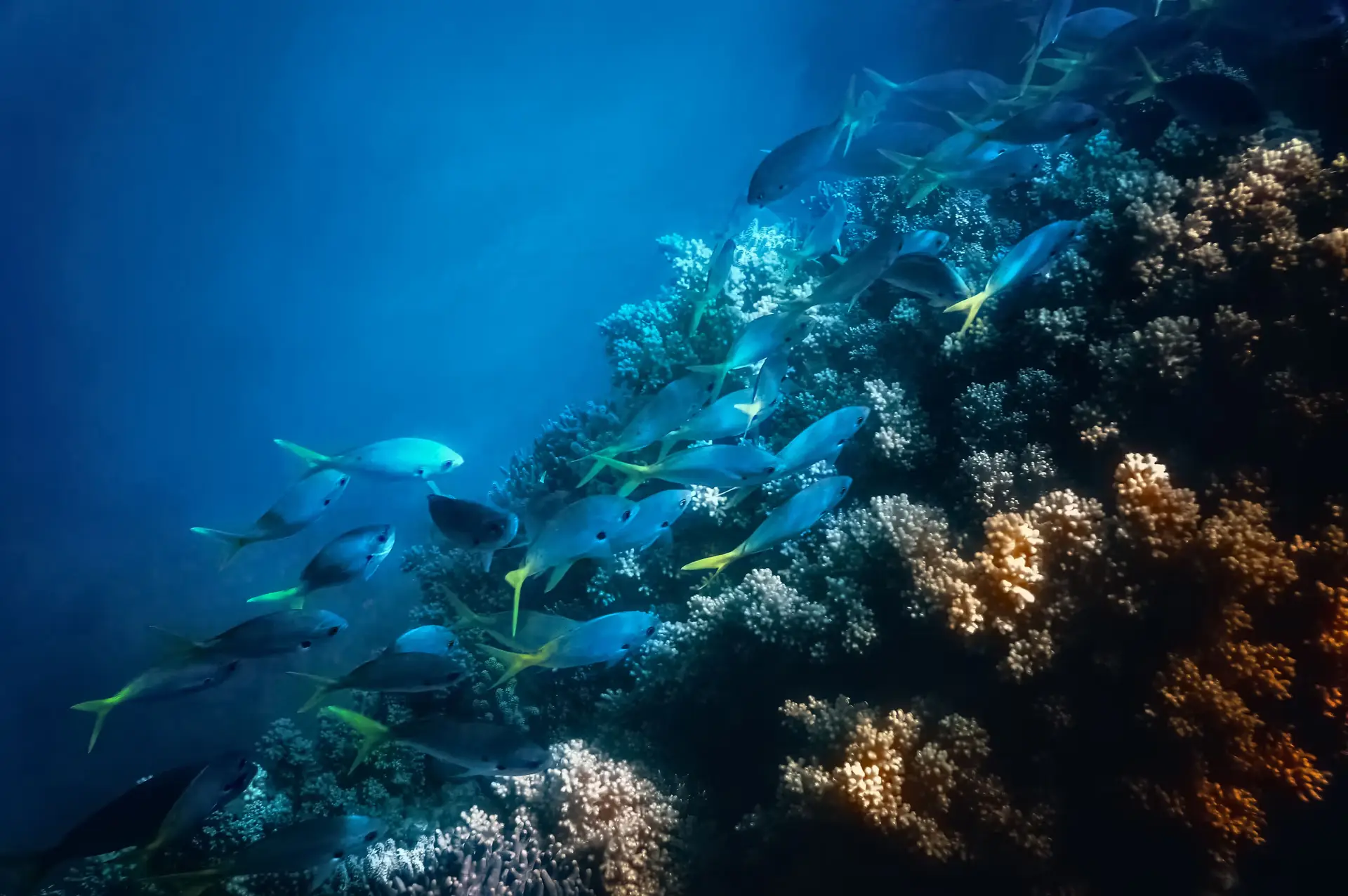
For years, the Great Barrier Reef has been measured in familiar units: coral cover, bleaching events, tourism numbers and political promises. Now scientists have added a far less photogenic but arguably more revealing layer to the picture: the reef’s microbiome. Using DNA from seawater collected at 48 reefs, researchers have mapped a microscopic ecosystem that includes more than 360,000 distinct viruses and more than 500 bacterial species that had not previously been documented.
The study, published in Nature, was led by the University of Queensland and the Australian Institute of Marine Science. It began more than five years ago and relied on metagenomics, a method that reads DNA directly from the environment rather than from organisms grown in a laboratory. That matters because, as the researchers point out, most microbes do not politely line up for culturing on petri dishes. They remain stubbornly invisible until computing power and sequencing technology catch up.
The numbers are large enough to make any normal census look quaint. The team identified 808,585 viral genomes, which they estimate belong to 362,802 different viruses. They also found 5,283 bacterial and archaeal genomes representing 876 distinct species, including 584 that had never been documented before. Philip Hugenholtz of the University of Queensland said the scale was unsurprising, given how vast the microbial world is, though he admitted that the number of new bacterial species was still a little unexpected.
Yun Kit Yeoh of AIMS described microorganisms as a crucial part of the reef ecosystem, because many can photosynthesise and feed marine food chains. In plain English, these are not decorative specks in the water. They help turn light and carbon dioxide into oxygen, feed krill and other zooplankton, and sit near the base of the food web that supports larger marine life. The reef, it turns out, is not only a spectacular structure but also a highly organised microbial economy.
The practical value of the mapping may be just as significant as the biodiversity count. The researchers believe the microbiome could become a monitoring tool for reef health, helping detect changes linked to climate change, heat stress, bleaching, human activity and other environmental disturbances. Yeoh said microbial communities can reveal trouble before the damage becomes obvious to the eye. That is the kind of early warning system policymakers usually claim to want, although they are often less enthusiastic once it requires action.
The same approach may also help identify whether fishing has taken place in a no-take zone or whether heavy metal contamination is present. Hugenholtz said that measuring heavy metals directly is expensive, while reading the effect they have on microbial communities is cheaper. The researchers used long-read sequencing technology, which allows longer stretches of DNA to be read at once and makes the puzzle easier to assemble. In a field that still depends on patience, computing power and a fair amount of luck, that is no small advantage.
One question now hangs over the discovery: are these species unique to the Great Barrier Reef, or have they simply not been found elsewhere yet? Either way, the reef has gained a new kind of inventory. It is less colourful than coral, but in the long run it may prove more useful than another round of speeches about protecting the environment.
Written by Martina Kirchner martina.kirchner@alpineweekly.com