Oct 19, 12:01 PM
The Lethal Weight of Tradition in Japan
A deputy mayor's crushing death exposes the growing peril behind Japan’s ancient harvest rites
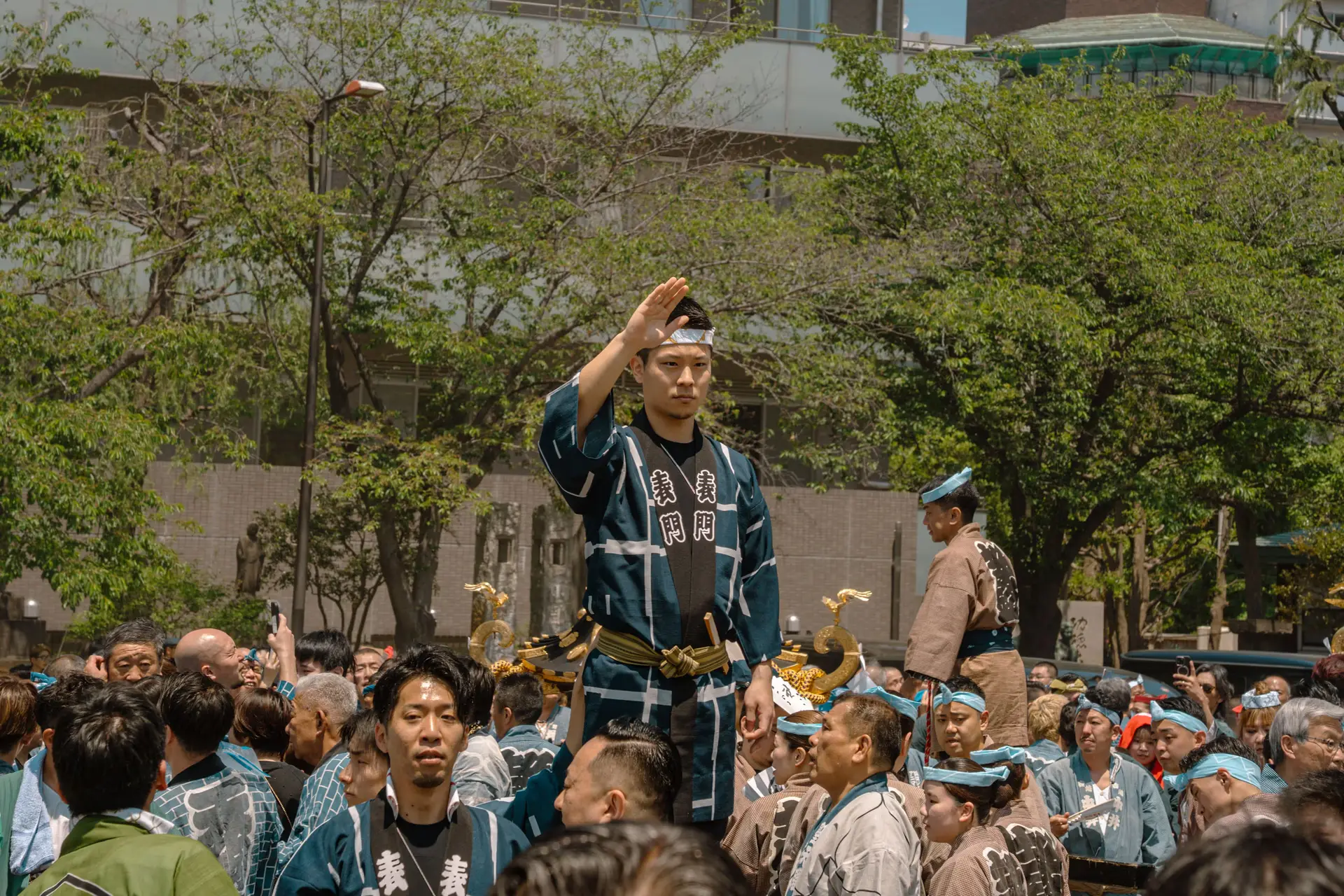
Japan’s autumn festival season is intended to offer gratitude to Shinto deities for bountiful harvests. Yet, the price of maintaining these centuries-old rituals is coming under uncomfortable scrutiny after a string of deadly accidents involving multi-ton wooden floats.
The latest victim was a high-ranking local official. Akihiro Nabae, the 62-year-old deputy mayor of Saijo, died on Saturday after becoming trapped beneath a giant float during a local procession. The festival, an annual tradition dating back to the Edo period, features more than 100 floats, each weighing as much as three tonnes.
Eleven such structures were lined up side by side when Nabae became trapped beneath one. Police remain uncertain whether he lost his balance or if the massive wooden rig simply toppled onto him. While no other participants were hurt in Saijo, Mayor Mitsuyoshi Ochi offered a grief-stricken statement: Just when we were about to work together to build a new administration for Saijo, this tragedy occurred. I still can’t believe it. I offer my heartfelt condolences.
Nabae’s death is not an isolated misadventure. Less than two weeks prior, two separate fatalities marred the Danjiri festivals in southern Osaka prefecture and a neighboring town. A 51-year-old participant was crushed to death while riding a float, and a 48-year-old man perished in a similar fashion on the very same day. In those incidents, police reported an additional 16 people injured.
The mechanics of these traditional spectacles carry inherent danger. The floats, which can weigh up to four tonnes, are pulled at high speed around tight street corners by hundreds of men. These sharp turns, known locally as yarimawashi, serve as the main attraction for spectators. Yet when multi-ton wooden structures navigate tight urban bends at top speed, physical laws frequently override ancient customs.
This autumn casualty list follows earlier tragedy this year. In February, two men died in a crowd crush during the naked man festival in Okayama, where roughly 10,000 men wearing loincloths squeezed into temple grounds to wrestle over sacred wooden sticks thrown by priests.
Tradition carries immense weight in local Japanese governance and community life. But as the casualty count from harvest festivals and temple rituals mounts, local authorities face an obvious dilemma: at what point does cultural preservation require modern safety guardrails?
Written by Andreas Hofer andreas.hofer@alpineweekly.com