Oct 21, 10:01 PM
The Last Green Frontier: New South Wales Sanctions Human Composting
Australian lawmakers vote to allow the transformation of human remains into soil, elevating ecological zeal to the grave.
The modern green agenda leaves no realm untouched, and now even mortality must pay its tax to ecological compliance. In an Australian first, the Parliament of New South Wales has formally sanctioned a third legal alternative to traditional burial and cremation: transforming deceased citizens into nutrient-rich soil.
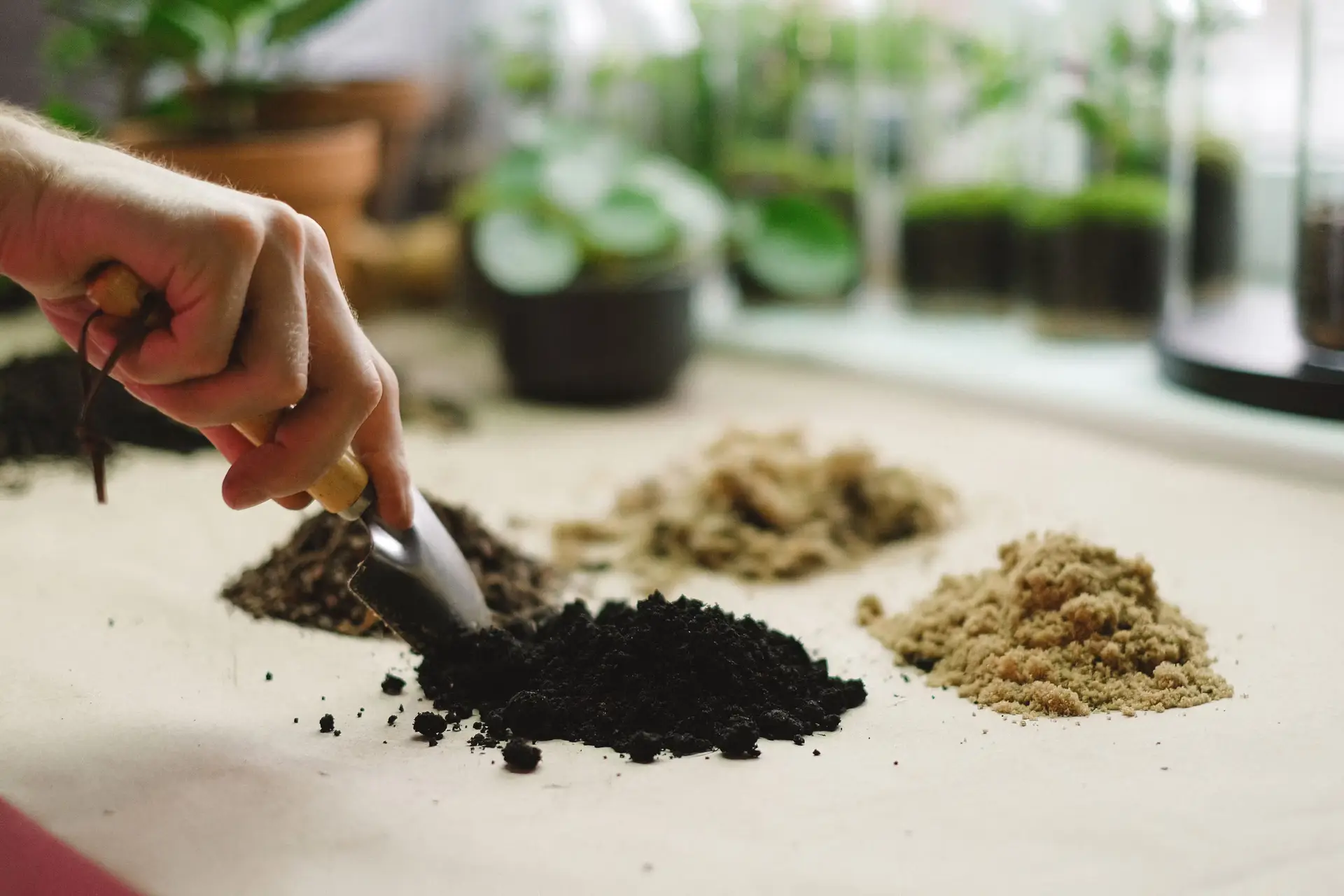
The legislation, introduced by independent MP Alex Greenwich after studying operations in Germany and the United States, codifies a process officially termed natural organic reduction. The mechanism is straightforwardly biological. Human remains are placed into a temperature-controlled vessel lined with alfalfa, straw, and organic mulch. Controlled air circulation feeds naturally occurring microbes, triggering rapid decomposition. Within roughly sixty days, the vessel yields approximately 110 kilograms of fertile, pathogen-free soil ready to nourish plant life.
Politicians in Sydney displayed an almost competitive eagerness to embrace their ultimate recycling. Libertarian MP John Ruddick, aligning with the Greens and Labor MP Cameron Murphy, welcomed the option and declared his preference to nourish a native gum tree rather than occupy a conventional cemetery plot. Animal Justice MP Emma Hurst touted the practice as a carbon-neutral answer to the high energy consumption and greenhouse emissions of traditional cremation, pointing out that the extended timetable offers families multiple opportunities for ceremonial visits.
Yet beneath the eco-enthusiasm lies the predictable reality of state oversight. Liberal MP Susan Carter urged caution, warning that terramation should not simply become a human compost bin and insisting that respect for the individual must remain paramount. The legislation bestows upon the state government an eighteen-month grace period to write the regulatory framework governing the specialized facilities required. Whether statutory bureaucracy can maintain human dignity inside an accelerated decomposition chamber is a question planners now have a year and a half to resolve.
Written by Thorben Thiede thorben.thiede@alpineweekly.com