Oct 21, 10:01 PM
The High Cost of Digital Dissent in Saied’s Tunisia
Former Tunisair chief Olfa Hamdi receives a four-year military sentence for social media posts criticizing the regime.
In Tunis, social media commentary carries a surprisingly steep price tag. Olfa Hamdi, a former head of state airline Tunisair turned political dissident, has learned this lesson courtesy of a military tribunal. The court sentenced the dual US-Tunisian citizen to four years in prison and imposed an 80,000 dinar ($26,000) fine over posts published on digital platforms.
Her lawyer, Akram Moussa, confirmed that the military tribunal convicted Hamdi on charges of plotting against state security and inciting soldiers to disobey orders. For a former corporate executive who runs a consulting firm in the United States, the swift transformation from business manager to political prisoner highlights the increasingly fraught environment facing critics of President Kais Saied.
Hamdi’s legal troubles escalated in February, when authorities detained her at Tunisia’s main airport upon her arrival from abroad. This latest four-year penalty—composed of two separate two-year terms—follows a separate two-year sentence handed down in March. Her primary political offense appears to be her open ambition. As leader of the Third Republic Party, she attempted to challenge Saied in the 2024 presidential election, only to be disqualified for failing to meet the minimum candidate age of 40. Since then, she has repeatedly called for a transitional government and early elections.
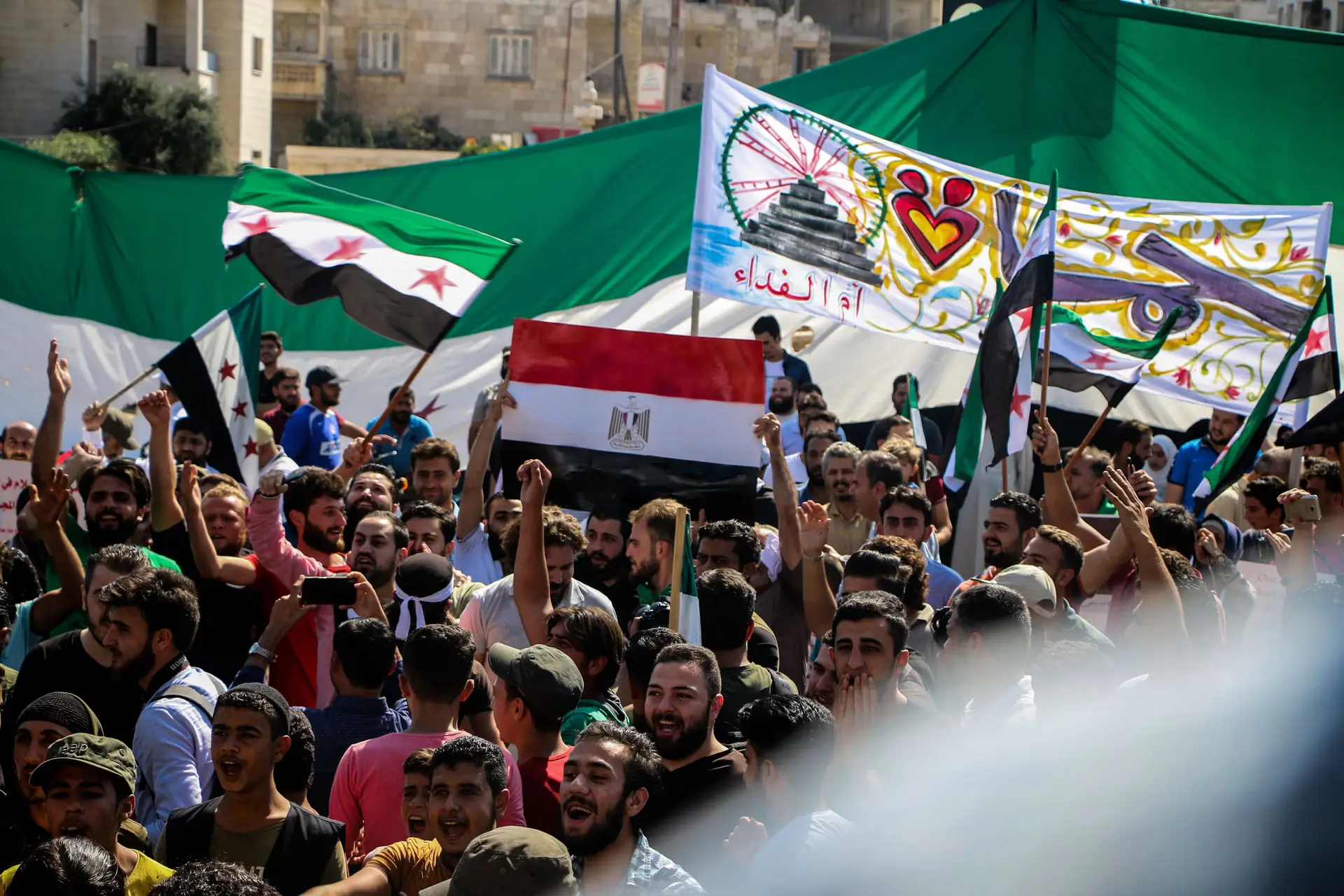
The proceedings against Hamdi reflect a broader trend in North Africa's former democratic poster child. Since consolidating power in 2021, Saied has faced widespread criticism from global human rights organizations for rolling back freedoms, as political opponents, journalists, and activists consistently find themselves behind bars. Public discontent over the eroded democratic standards and economic mismanagement brought thousands of Tunisians to the streets last Saturday in the largest anti-government demonstration in years.
Saied rejects allegations of targeting political opponents, maintaining that the legal system operates neutrally and applies to all citizens equally. Meanwhile, international attention remains fixed on the case. A US Department of State spokesperson confirmed that Washington is tracking the situation, noting that the Trump Administration has no higher priority than the safety and security of American citizens.
Whether state security was genuinely imperiled by social media updates remains a question only military judges can answer. The message delivered to Tunisia's remaining political aspirants, however, could not be clearer.
Written by Christiane Hofreiter christiane.hofreiter@alpineweekly.com