
Oct 25, 7:01 AM
The Administrative Limbo of Nigeria's Disappeared
Fifteen years into the Boko Haram crisis, bureaucratic failure and environmental disaster leave local communities to shoulder the burden of thousands missing.
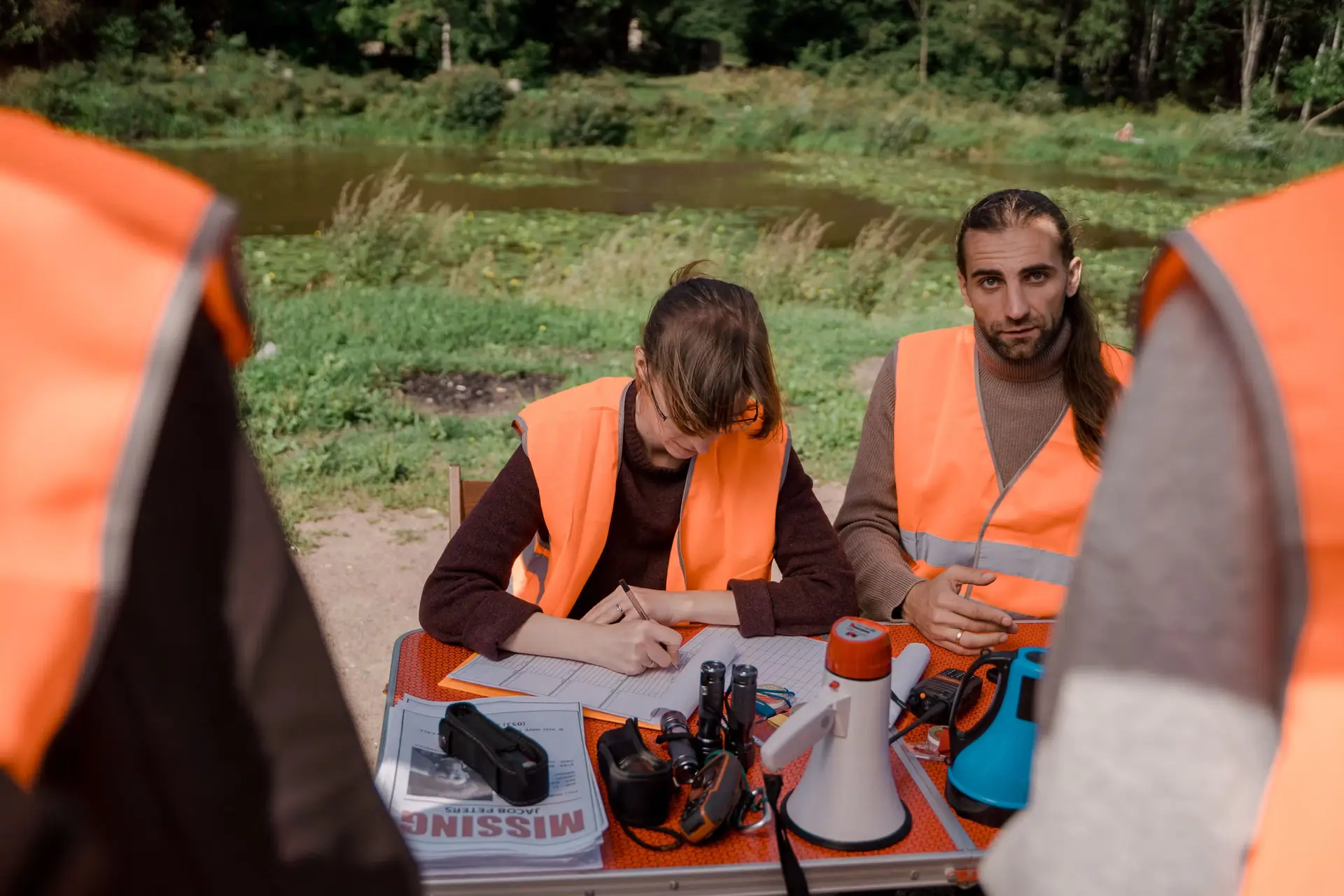
The lingering aftermath of sustained armed conflict is rarely captured by official peace treaties or political declarations. In northeastern Nigeria, where Boko Haram initiated its campaign of terror in 2009, the human ledger remains fundamentally unresolved. Local advocates estimate that roughly 17,000 individuals across the northern region remain unaccounted for, with approximately 10,000 of those cases concentrated within Borno State alone.
When state mechanisms prove inadequate at tracing missing citizens, the responsibility inevitably falls on informal self-help networks. In 2023, survivors in Maiduguri established the Association for the Well-being of Displaced and Missing Persons' Families, securing formal corporate registration by 2025. Led by figures like Kashim Mohammed, whose sister vanished during a trip in 2011, the organization demonstrates how local communities are left to manage both missing persons registers and catastrophic financial fallout without meaningful official institutional support.
The economic dimension of missing relatives is particularly severe. The disappearance of primary breadwinners routinely plunges entire households into poverty, leaving surviving relatives unable to pay for basic necessities or school fees. The Maiduguri association currently tries to assist around 600 orphaned children, expanding its scope far beyond mere record-keeping to provide emergency aid in an environment marked by extreme economic hardship. While international bodies such as the International Committee of the Red Cross provide intermittent relief items and matching notices, these efforts remain drops in an ocean of demand.
Environmental reality continually undermines these fragile grassroots efforts. When catastrophic floods inundated portions of Maiduguri in 2024, the water destroyed crucial personal records and family photographs in vulnerable wards like Ngarnam. In a context lacking centralized biometric registries, these lost physical photographs served as the sole tool for identifying loved ones across displacement camps or rehabilitation facilities like Bulumkutu.
The emotional drain is compounded by unverified leads and structural neglect. Families spend years pursuing phantom sightings or unverified rumors of missing relatives spotted in regional markets or neighboring countries like Benin. For many aging parents, the chronic stress leads directly to fatal health issues, with severe hypertension claiming lives before answers ever arrive. What remains is a ongoing crisis of institutional paralysis, where thousands of families continue to wait for answers that the state seems entirely unequipped to provide.
Written by Christiane Hofreiter christiane.hofreiter@alpineweekly.com