Oct 25, 7:01 AM
Beyond Limassolgrad: Cyprus Becomes Israel’s Preferred Mediterranean Annex
As Israeli capital, homebuyers, and political campaigns flood into Cyprus, local unease grows over gated developments and foreign influence.
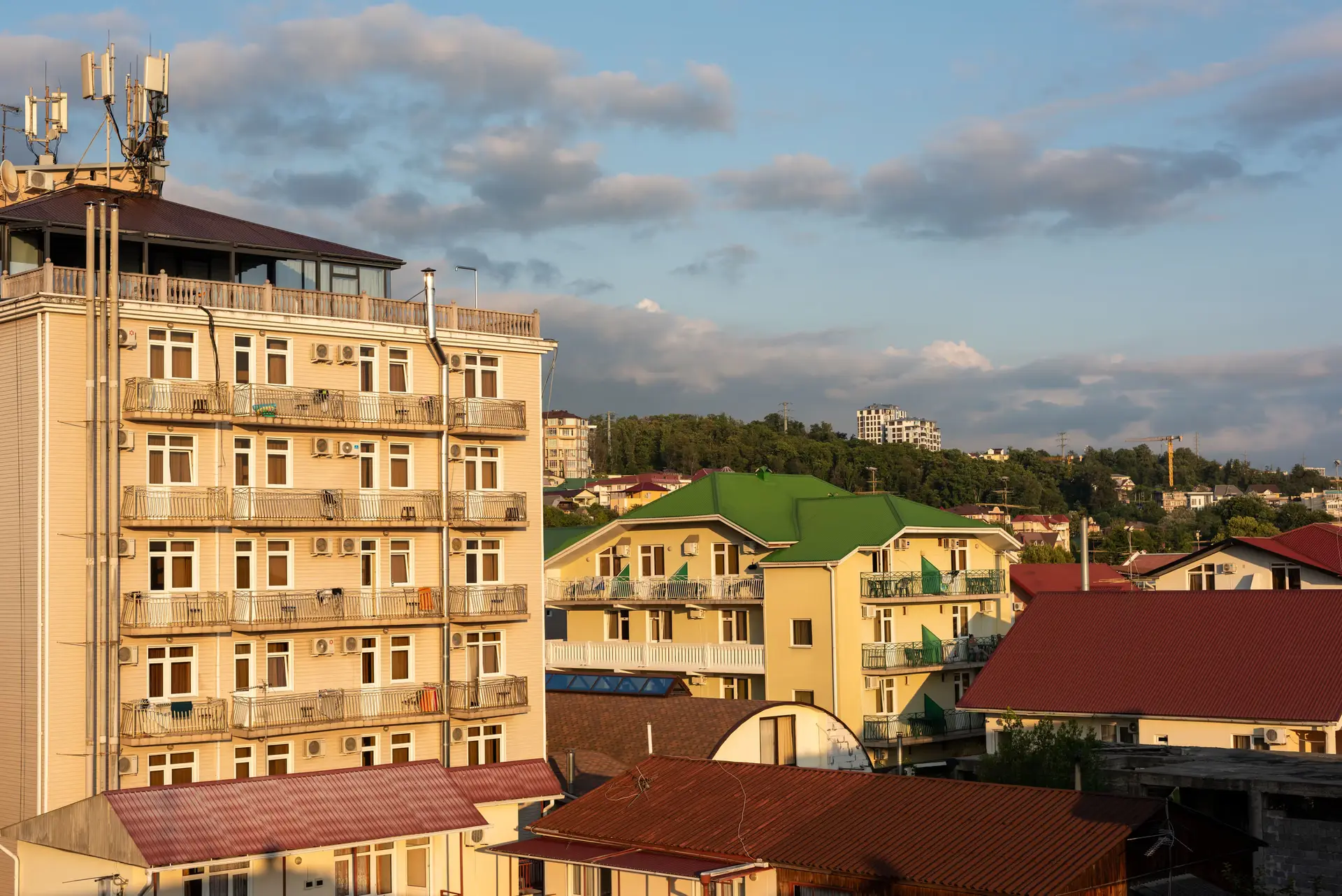
Cyprus has never been particularly shy about accepting foreign capital. Having previously accommodated British retirees, golden-visa seekers, and enough Russian wealth to earn Limassol the temporary moniker of Limassolgrad, the island nation has now found its newest real estate enthusiasts: buyers and investors from Israel.
This latest economic wave, however, comes with a distinct political footprint. Visitors landing near Larnaca airport were recently greeted by election billboards written in Hebrew featuring Gadi Eisenkot, a former army chief running in Israel’s domestic elections. Meanwhile in Nicosia, six Cypriot lawmakers recently formed a pro-Israel caucus launched by the Israel Allies Foundation, demonstrating how closely the island's political class is aligning with its eastern neighbor.
The sheer velocity of the capital inflow tells a compelling economic story. According to the Central Bank of Cyprus, Israeli investment surged sixfold between 2017 and 2024 to 5.1 billion euros. This expansion occurred precisely as total foreign direct investment into Cyprus fell by a quarter and Russian holdings dropped by over a third. Data from the Ministry of Interior shows that in the twelve months leading to September 2025, Israelis accounted for 850 property purchases in the Larnaca district alone, outstripping all other foreign nationalities. CYSTAT recorded nearly 600,000 trips by Israeli visitors last year, with the Israeli embassy in Nicosia estimating that between 15,000 and 20,000 Israelis now consider Cyprus home.
Naturally, such rapid absorption of capital brings friction. Local politicians and residents point to commercial developments between Livadia and Pyla, as well as planned residential projects in Dromolaxia-Meneou and the purchase of most of the abandoned village of Trozena by an EU-Israeli investor. Concerns have been raised over the emergence of gated communities and projects proceeding ahead of formal administrative approval—such as a flagship Jewish school planned in Polemidia for 1,500 students funded by the Yael Foundation, where ministry applications remained unfinalized well into late 2025.
When left-wing AKEL party leader Stefanos Stefanou warned that foreign buyers were creating inaccessible enclaves and transforming the island into a strategic backyard, Israel’s former ambassador Oren Anolik countered that such statements singled out the Jewish community. Yet as municipal crews in Limassol swiftly scrubbed away political graffiti following representations from Israel’s Diaspora Affairs Minister, many Cypriots were left wondering where administrative oversight ends and foreign influence begins.
Written by Sandy van Dongen sandy.vandongen@alpineweekly.com