Oct 30, 5:01 AM
Syria’s Fragile Core: When Seasonal Rain Becomes a Fatal Threat
Flash floods across northern provinces kill five and sever vital transit arteries, laying bare the cost of systemic physical decay.
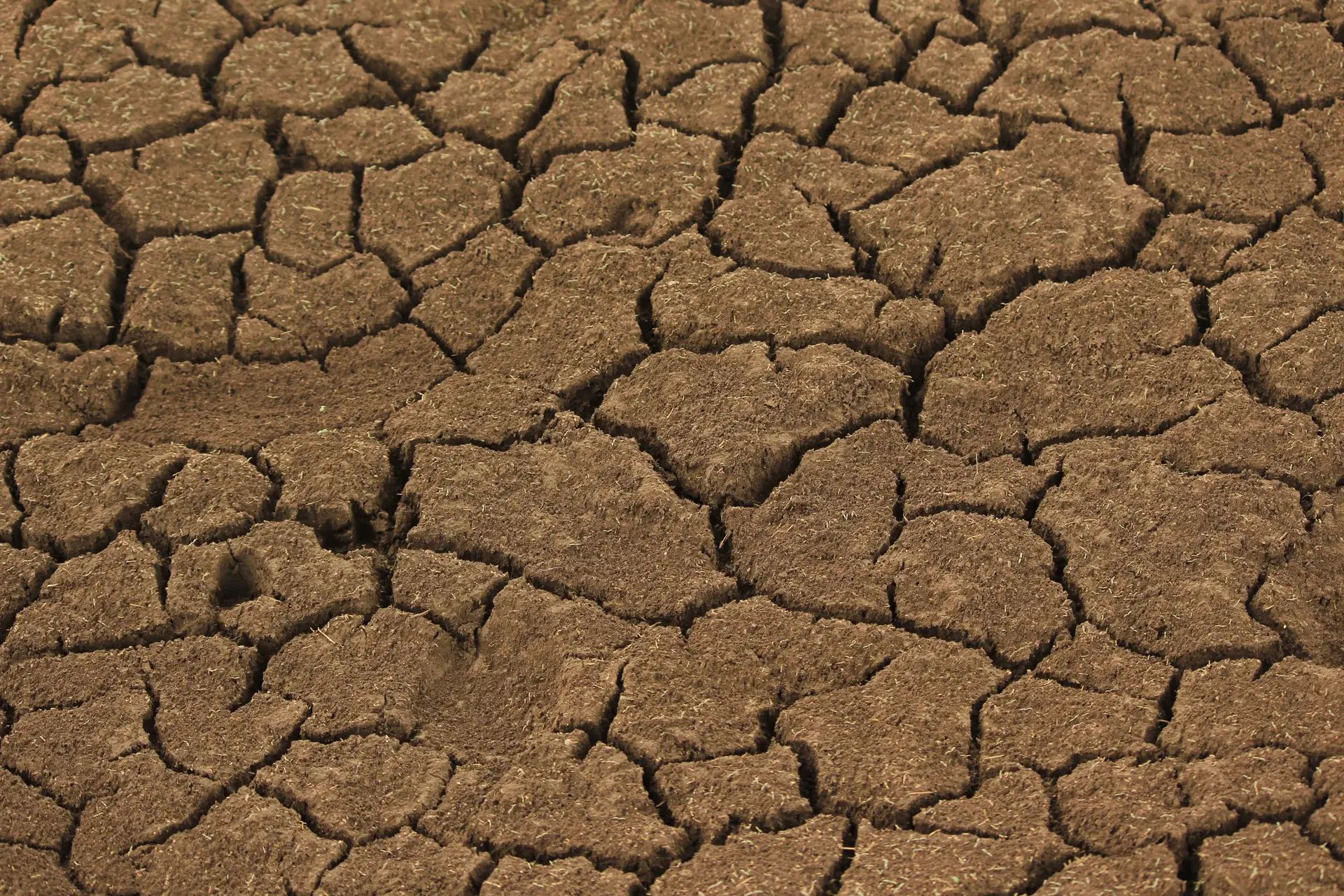
When rain falls on a country with shattered infrastructure, the boundary between a standard weather system and a humanitarian catastrophe disappears instantly. Northern and eastern Syria are currently providing another stark illustration of this reality, as autumn downpours transform dried terrain into deadly torrents and unmaintained roads into channels of floodwater.
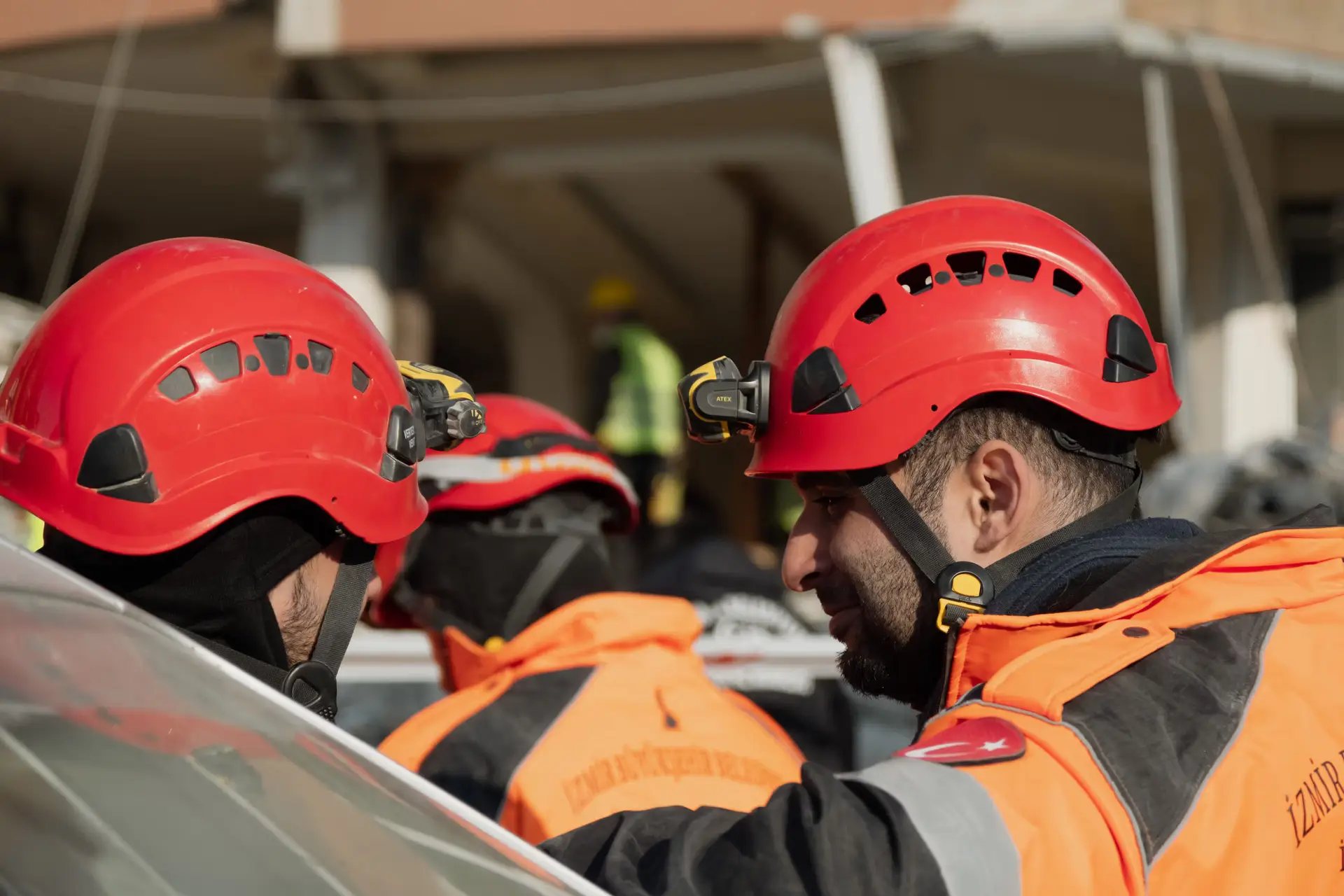
The immediate toll of the recent storm reflects a familiar pattern of vulnerability. Official updates from the Ministry of Emergency and Disaster Management confirm at least five deaths across the governorates of Raqqa and Deir Az Zor. Among the victims are four children who drowned in rising waters. In the rural countryside west of Raqqa, a driver died after floodwaters swept his vehicle off the road near the al-Salmani Bridge. As emergency teams navigate the mud, at least five other individuals, including two children, remain unaccounted for.
Physical connectivity across the region has taken a severe hit. State media reported that the structural failure and collapse of the al-Salmani Bridge near Tabqa effectively severed the primary transport route linking Raqqa to Aleppo. Structural disruptions were reported across five governorates—Aleppo, Raqqa, Deir Az Zor, Hasakah, and Homs. While emergency crews managed to rescue 15 civilians trapped in flooded vehicles, the broader crisis required moving roughly 375 families out of three displacement camps in the rural hinterlands of Raqqa.
This cycle of deluge and crisis containment is hardly new. In June, UNICEF reported that seasonal flooding had already impacted 17,000 individuals earlier in the year, displacing 700 families and knocking 49 water treatment plants out of service across Raqqa and Deir Az Zor.
That essential water treatment facilities and critical highways routinely collapse under routine seasonal weather points to a deep structural deficit. Tactical evacuations and disaster management updates provide a varnish of emergency response, yet they address none of the underlying physical degradation that turns every heavy rainstorm into an acute regional disaster.
Written by Sandy van Dongen sandy.vandongen@alpineweekly.com