
Oct 31, 1:01 PM
Starvation, Surveillance, and Ideology: The Squeeze on Taiz
While Houthi commanders deny the blockade, 800,000 Yemenis face forced re-education and dwindling water supplies.
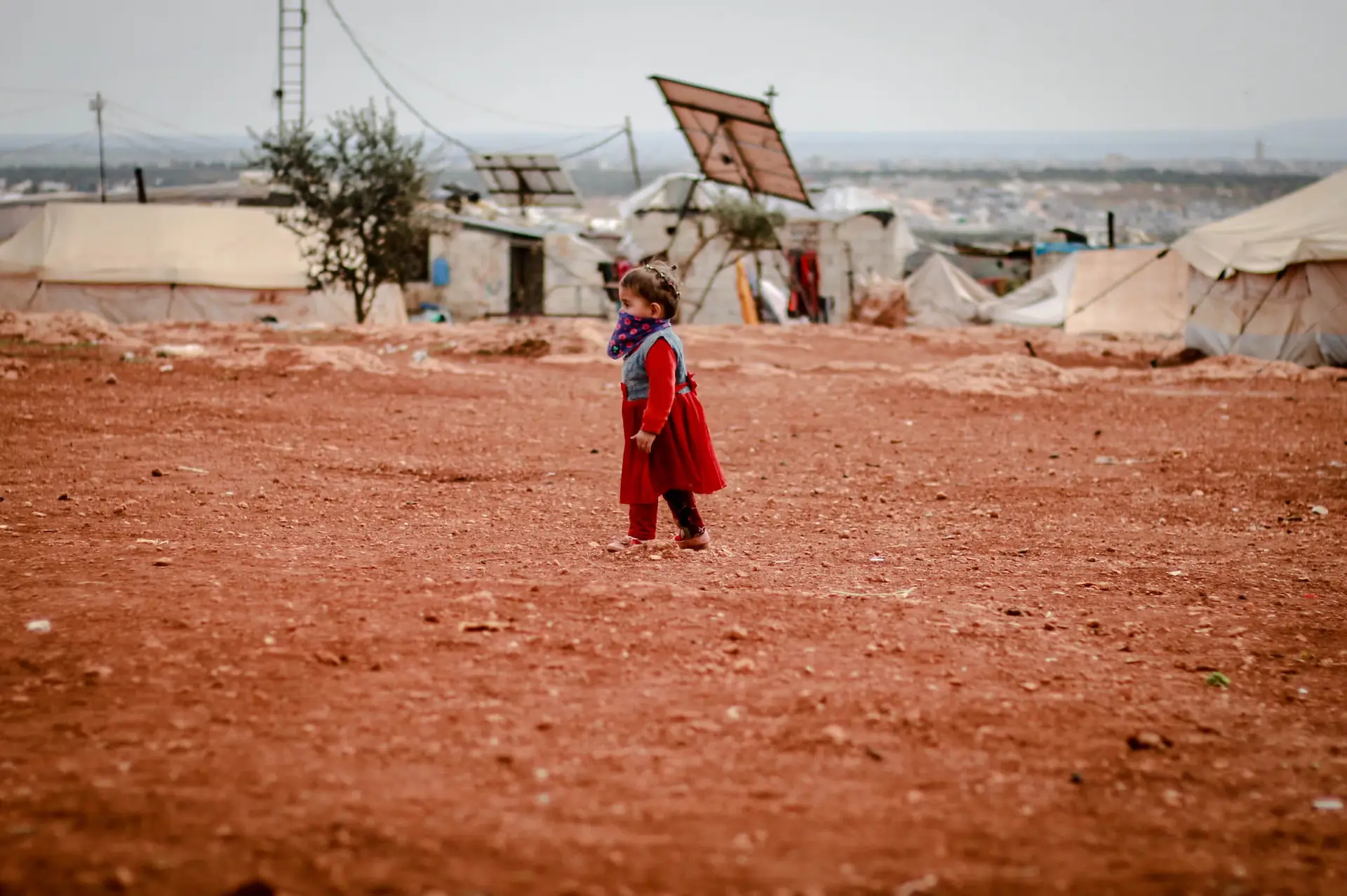
While the international community busies itself with carefully worded press releases, the Yemeni city of Taiz is receiving a lesson in practical siege warfare. Houthi forces surrounding the country's third-largest city have reduced its daily water supply from a required 35,000 cubic metres to a meager 1,000. For the more than 800,000 residents trapped inside, survival has become a matter of simple, brutal arithmetic.
Houthi leader Abdul-Malik Badr al-Din al-Houthi dismisses the blockade entirely, claiming that aid and food flow freely into the city. Yet on the ground, Governor Nabil Shamsan paints a starkly different picture from just a few kilometres off the frontline. Wheat prices have skyrocketed, restaurants are shuttered for lack of fuel, and rubbish piles up in the streets as dumps remain unreachable behind Houthi roadblocks. Healthcare has effectively collapsed: 120 facilities have suspended operations, leaving 1,800 dialysis patients without treatment, while schools have closed their doors to hundreds of thousands of children.
Between August and October 2026 alone, shelling and military clashes killed 64 people and injured 173. Meanwhile, over 6,400 newly displaced families have flooded into the city seeking refuge. Yet physical deprivation is only half the strategy. Shamsan describes a calculated campaign of ideological engineering rather than a standard military conflict. In captured surrounding areas, traditional education is scrapped, residents are forced to sign pledges of allegiance to the Zaydi religion, and children are dispatched to frontlines in Saada without parental consent. Controlled telecommunication networks broadcast messages urging an end to resistance while monitoring private conversations.
Human Rights Watch researcher Niku Jafarnia observes that this disregard for civilian life fits a twelve-year pattern of bombing, deliberate starvation, and ignored international law. Yet, as Shamsan noted, expressions of solidarity from abroad accomplish nothing for a population systematically pushed toward capitulation. Without physical access for the United Nations and aid agencies to break the blockade, diplomatic posturing merely provides cover for a total restructuring of Yemeni society.
Written by Thomas Nussbaumer thomas.nussbaumer@alpineweekly.com