Oct 31, 1:02 PM
The High Price of Stagnant Air: Germany's Green Energy Reality Check
When wind and solar power collapsed to a record low, fossil imports and astronomical market prices were forced to save the grid.
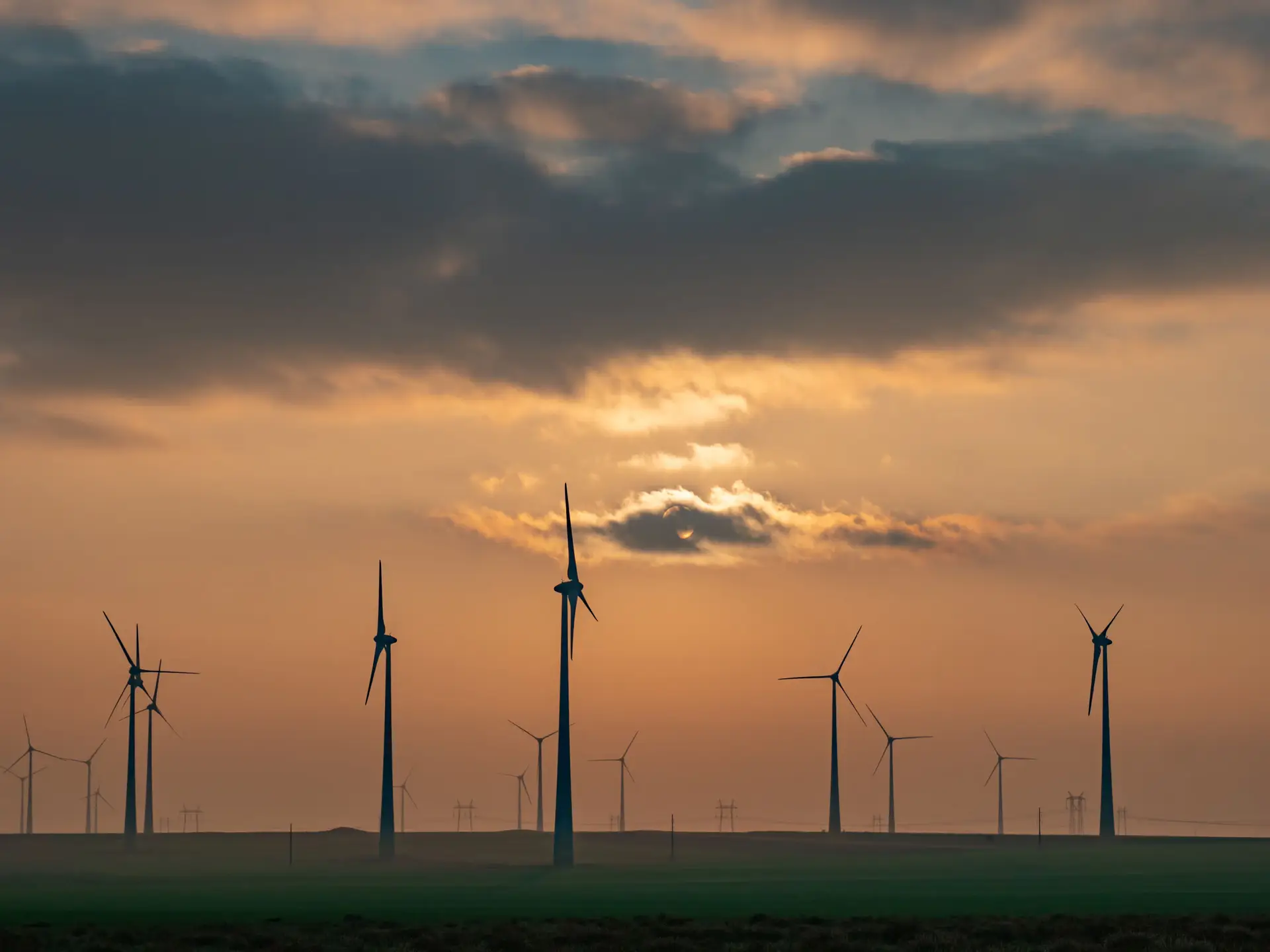
When Nature refuses to cooperate with political dogma, the results are as predictable as they are expensive. For a full 48 hours, Germany’s ambitious green grid effectively ground to a halt as wind and solar installations collapsed to their lowest output of the year. Between Thursday morning and Saturday morning, weather conditions across the country delivered a textbook Dunkelflaute—a prolonged stretch of still air and dense overcast skies that left weather-dependent generators covering just 18.4 percent of national electricity demand.
According to data from the Federal Network Agency, onshore wind turbines produced a paltry average of 4.0 gigawatts during this window, down from their annual average of 12.3 gigawatts. Offshore wind performed even worse, generating a minuscule 0.4 gigawatts against a typical 3.2 gigawatts. Solar panels managed an average of 6.0 gigawatts by day before vanishing entirely at night. With total consumption averaging 56.0 gigawatts, the gap was staggering. At its nadir on Thursday evening, wind and solar together covered barely 3.5 percent of the nation's power needs. For eleven consecutive hours, their combined contribution stayed below ten percent.
To keep the lights on in Europe's largest economy, traditional power generation had to perform heavy lifting. Conventional plants fired up immediately: lignite coal plants produced an average of 12.8 gigawatts—more than wind and solar combined—while natural gas units delivered 11.9 gigawatts, nearly double their annual average. Hard coal added another 4.0 gigawatts. Together, fossil fuels covered well over half of total power consumption.
Because domestic hard coal mining was phased out at the end of 2018, this sudden surge in demand relies entirely on international supply chains. Federal Statistical Office figures reveal that roughly 36 percent of imported hard coal in the first half of the year came from the United States, 25 percent from Colombia, and 24 percent from Australia. Berlin's plan to lead the green transition effectively translates into burning coal shipped across thousands of nautical miles.
When domestic supply fell short, foreign imports filled the deficit. While Eurostat reports that nuclear energy accounted for 23.2 percent of total EU power generation in 2025, Germany deliberately shut down its final three nuclear plants in April 2023, choosing instead to import electricity from neighbors whose grids remain anchored by nuclear power.
The economic bill arrived instantly. On the day-ahead market, spot prices averaged roughly 292 euros per megawatt-hour across the 48-hour window—more than double the annual average of 114 euros. During the peak strain on Thursday evening, market prices briefly soared to almost 560 euros per megawatt-hour. Soaring electricity costs continue to erode industrial competitiveness, demonstrating that ideological energy policy carries a precise financial cost.
Written by Martina Kirchner martina.kirchner@alpineweekly.com