Jul 19, 4:02 PM
Rome’s uniforms make a simple demand: pay, pensions and respect
About 6,000 soldiers and police officers marched after a new deal left several unions unconvinced.
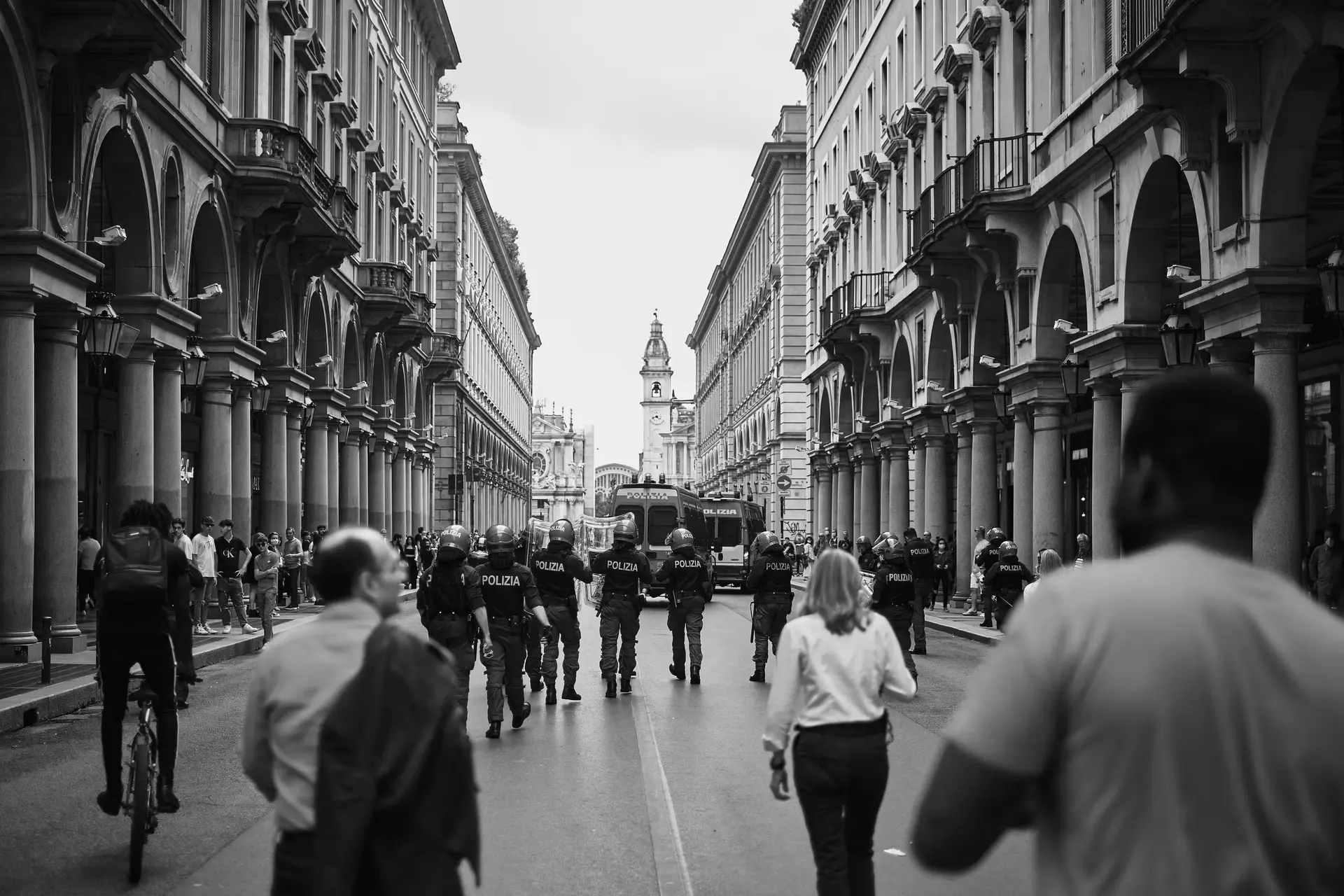
Rome has hosted enough protests to make a crowd seem ordinary. Yet a march of soldiers, police officers and other security personnel carries a different message: those who enforce order are not always willing to accept the state’s version of thrift. On Saturday, around 6,000 members of Italy’s armed forces and security services walked through the capital to demand higher pay, better pensions and stronger workplace protections.
The demonstration brought together the Army, Navy, Air Force, Carabinieri and Guardia di Finanza in what was described as the first joint protest organised by the country’s main defence and security unions. That alone says something about the mood. These are not people given to theatrical gestures, which makes the timing of the protest all the more pointed.
The rally followed the government’s renewal of the collective agreement covering about 430,000 military and security personnel. The deal provides a gross monthly pay rise of €188 and a one-off back payment of €2,448, while also promising talks on pension reform. In official terms, that is a settlement. In practical terms, several unions clearly judged it too thin to close the gap between pay packets and the cost of living.
Sinafi, the New Carabinieri Union, Usami Aeronautica, Itamil and Silmm refused to sign. They argued that the agreement did not go far enough on pay and retirement, and they organised Saturday’s protest to press for additional measures. Their list of demands was not extravagant: reform of the supplementary pension system, no increase in the retirement age to 65, stronger legal protections for security staff, pay rises that keep pace with inflation, and more investment in recruitment, training and modernisation.
The protest concluded with a conference attended by representatives of several unions, including the New Carabinieri Union. Its secretary-general, Massimiliano Zetti, said the economic improvements expected from the agreement had not been delivered. He also stressed that behind the uniforms are families and working people, not anonymous figures in a state emblem. The point was hardly subtle, but then subtlety is rarely the currency of public-sector pay disputes.
There is a broader European pattern here, though it remains uncommon for armed forces and police to take to the streets. Italy’s police unions staged demonstrations in 2023 over funding for pay rises, inflation-linked increases and recruitment to address staffing shortages. France, Spain and Belgium have also seen similar unrest from law enforcement unions in recent years. The common thread is familiar: when governments ask for loyalty, discipline and restraint, they tend to discover that these qualities are easier to demand than to finance.
For Italy, the episode is less a dramatic rupture than a reminder that state authority still depends on the people who carry it out. If those people conclude that their pay and pensions lag behind reality, the uniforms do not make them patient. They merely make the political embarrassment more visible.
Written by Andreas Hofer andreas.hofer@alpineweekly.com