
Nov 8, 5:01 PM
Rise in Tarantula Sightings Reported Across Southern and Eastern Austria
Expert validation confirms 175 sightings since September as warmer weather patterns support the spread of wolf spider species
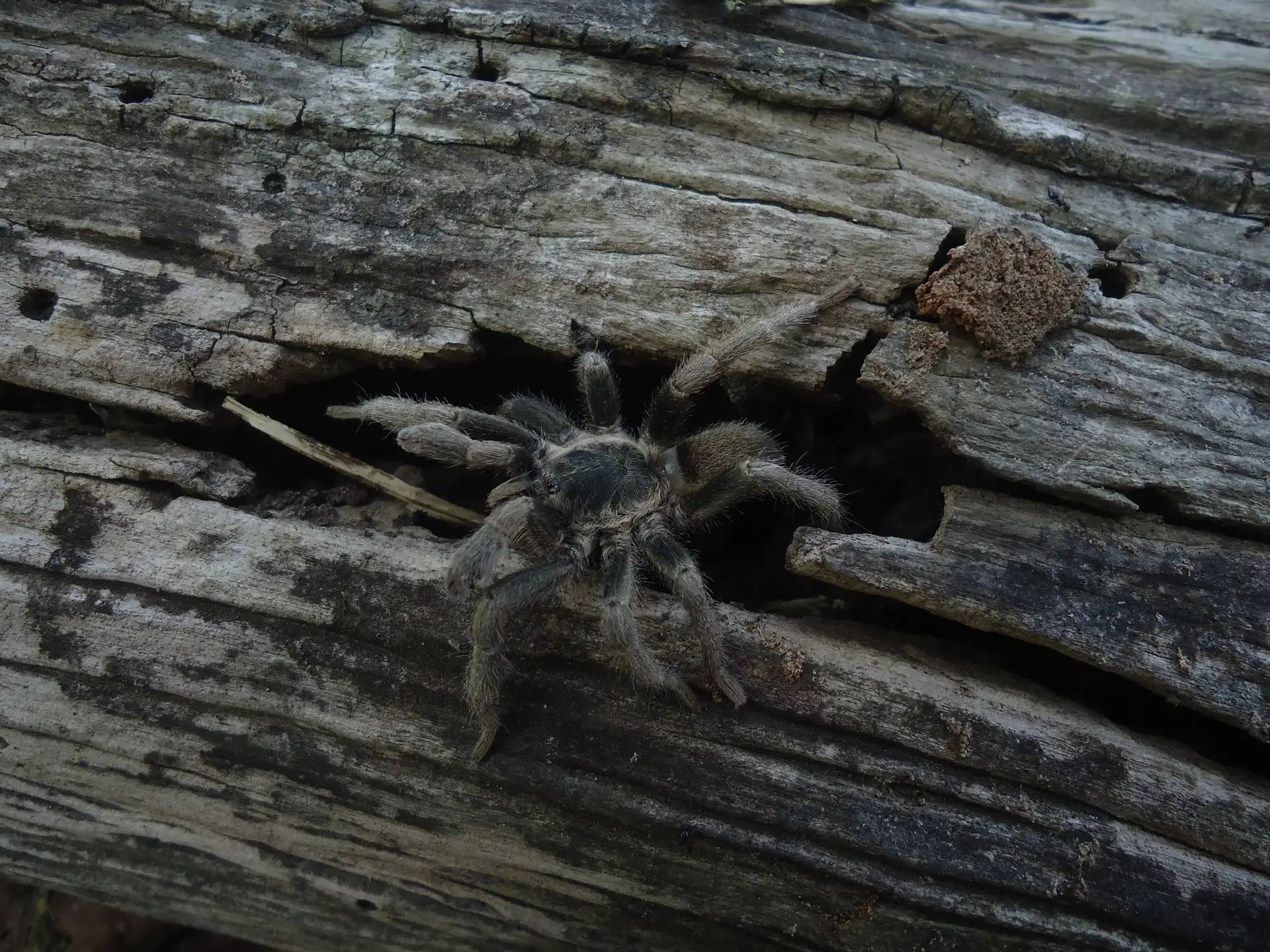
Citizen science records in Austria have shown a sharp rise in tarantula observations during the autumn, with more than 200 reports submitted across the country since September. Experts examining the entries on the platform naturbeobachtung.at have officially verified 175 of those cases.
The highest density of verified activity occurred in the southeastern state of Styria, which recorded 66 sightings. Lower Austria accounted for 49 reports, while 43 were documented in Burgenland. Additional sightings were registered in Carinthia, indicating a widespread presence across several southern and eastern provinces.
The recent reports include several geographical developments that have caught the attention of wildlife researchers. In Tulln, located in Lower Austria, a South Russian tarantula was documented in what represents an unusually northwestern location for the species. Carolina Trcka-Rojas of the Austrian Nature Conservation Association noted that no prior sightings had been recorded in that immediate region. In addition, a black-bellied tarantula was identified in Stossau, within the lower Gail valley, marking the westernmost documented record of the species in Austria to date.
Seasonal behavior explains much of the sudden increase in public sightings. During the autumn months, the spiders actively look for sheltered environments to pass the winter, occasionally wandering into houses, apartments, and garages. Under natural conditions, the animals seek refuge inside rock crevices or subterranean burrows.
Austria is host to two distinct species within the wolf spider family: the South Russian tarantula and the black-bellied tarantula. While both species possess bites capable of causing localized pain, swelling, and redness, experts note that bites remain rare and do not pose serious health risks to healthy individuals. Historical records show that the South Russian tarantula was first identified near Lake Neusiedl and Vienna in the early 1920s, whereas the black-bellied tarantula was first catalogued in Styria during the 1970s.
The observed territorial movement mirrors developments documented elsewhere in Central Europe. Research published in 2025 confirmed that tarantula populations were expanding in Czechia after decades of retreat. Scientists attribute the broader expansion of these spider populations to a consistent pattern of warmer and drier summer weather across the region.
Written by Freya Stensrud freya.stensrud@alpineweekly.com