Nov 8, 7:01 PM
Erdoğan Marks Victory Day in Karabakh Alongside Aliyev
The Turkish and Azerbaijani leaders reaffirmed their strategic alliance in Khankendi six years after the 2020 conflict.
Turkish President Recep Tayyip Erdoğan joined Azerbaijani President Ilham Aliyev in Karabakh on Sunday to commemorate Azerbaijan’s Victory Day, marking six years since the end of the 2020 war. The joint appearance in the region was presented by both leaders as a public reaffirmation of their strategic partnership following weeks of diplomatic disagreements.
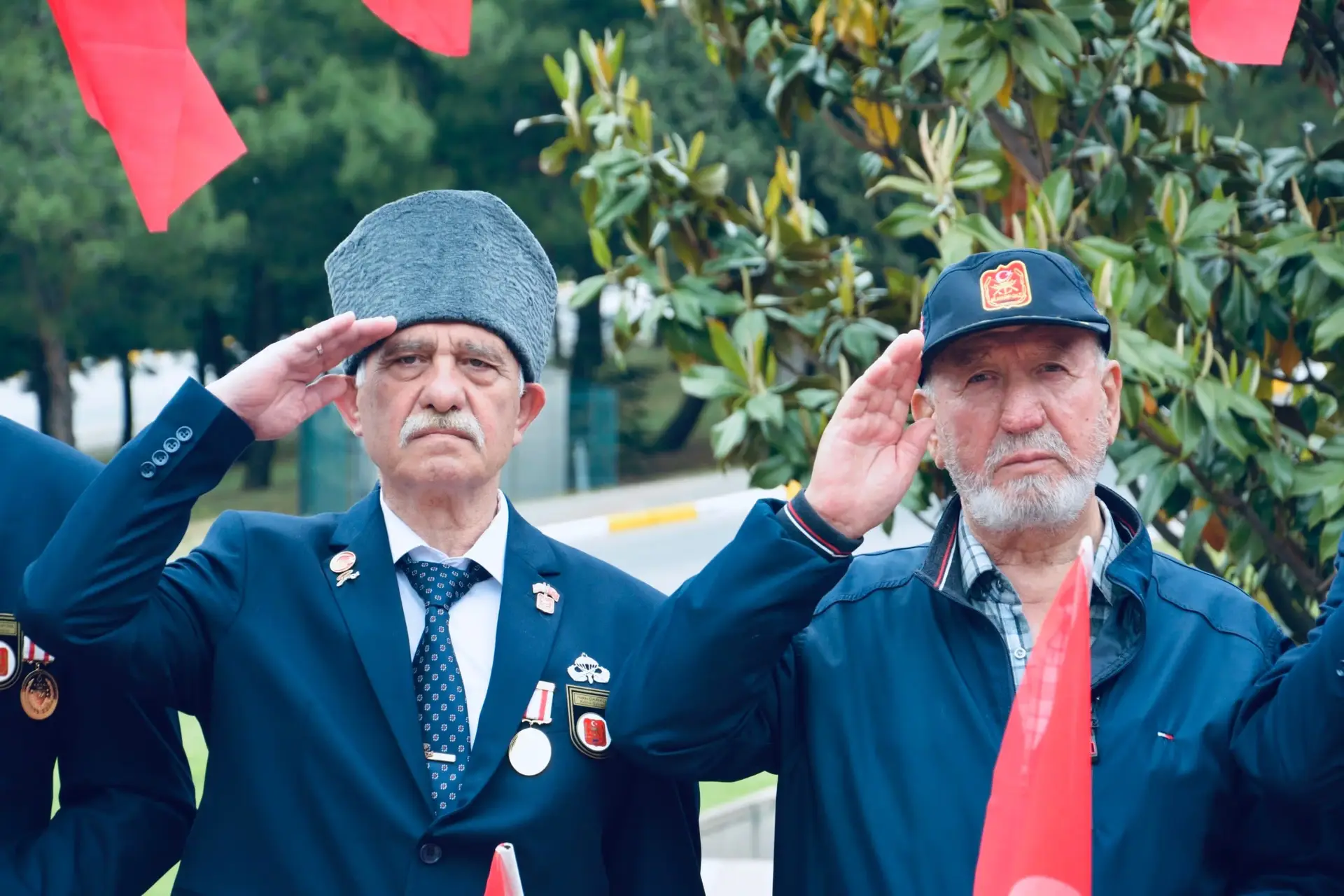
The commemorations began in Khankendi, where Aliyev laid a wreath at the Victory Monument to honor soldiers killed during the 44-day conflict. Aliyev described the capture of the city of Shusha on 8 November 2020 as the decisive event of the war. During a joint press conference, Aliyev stated that Turkish support had been essential throughout the fighting and added that the alliance between Ankara and Baku would remain permanent.
In a statement published on social media, Erdoğan praised the outcome of the 2020 conflict, stating that attempts to disrupt relations between Turkey and Azerbaijan would fail. The two countries previously formalized their military and political ties by signing the Shusha Declaration on Allied Relations on 15 June 2021, which established structured defense and security cooperation.
Alongside political declarations, the visit highlighted post-war reconstruction in Karabakh. Aliyev reported that state infrastructure expenditure in the recontrolled territories has exceeded 10 billion euros since 2020. According to Azerbaijani government figures, 97,000 people currently reside, study, or work in the area under the state resettlement program, with over 40,000 individuals relocated to towns including Shusha, Fuzuli, Zangilan, and Lachin.
Infrastructure development in the region includes three newly constructed international airports in Fuzuli, Zangilan, and Lachin, as well as 3,000 kilometers of high-capacity highways. Energy plans for the area aim to establish 2,000 megawatts of renewable power capacity by 2030. Regional energy flows also remain central to the bilateral partnership, with the Southern Gas Corridor delivering Azerbaijani natural gas to Europe via Turkish transit routes.
The 2020 hostilities concluded following a Russian-brokered ceasefire agreement signed on 10 November 2020. Since then, diplomatic efforts between Azerbaijan and Armenia have moved from international mediation to direct bilateral negotiations. Joint commissions recently finalized the physical demarcation of a 12.7-kilometer section of their northern border, while negotiating teams have agreed on key provisions of a draft peace treaty concerning state sovereignty and transit corridors.
Written by Christiane Hofreiter christiane.hofreiter@alpineweekly.com