Oct 18, 6:01 AM
Peril on the Pacific: The Lethal Reality of Offshore Smuggling Routes
A boat disaster off Baja California leaves eleven missing and survivors fighting shark bites, exposing the persistent danger on clandestine maritime corridors.
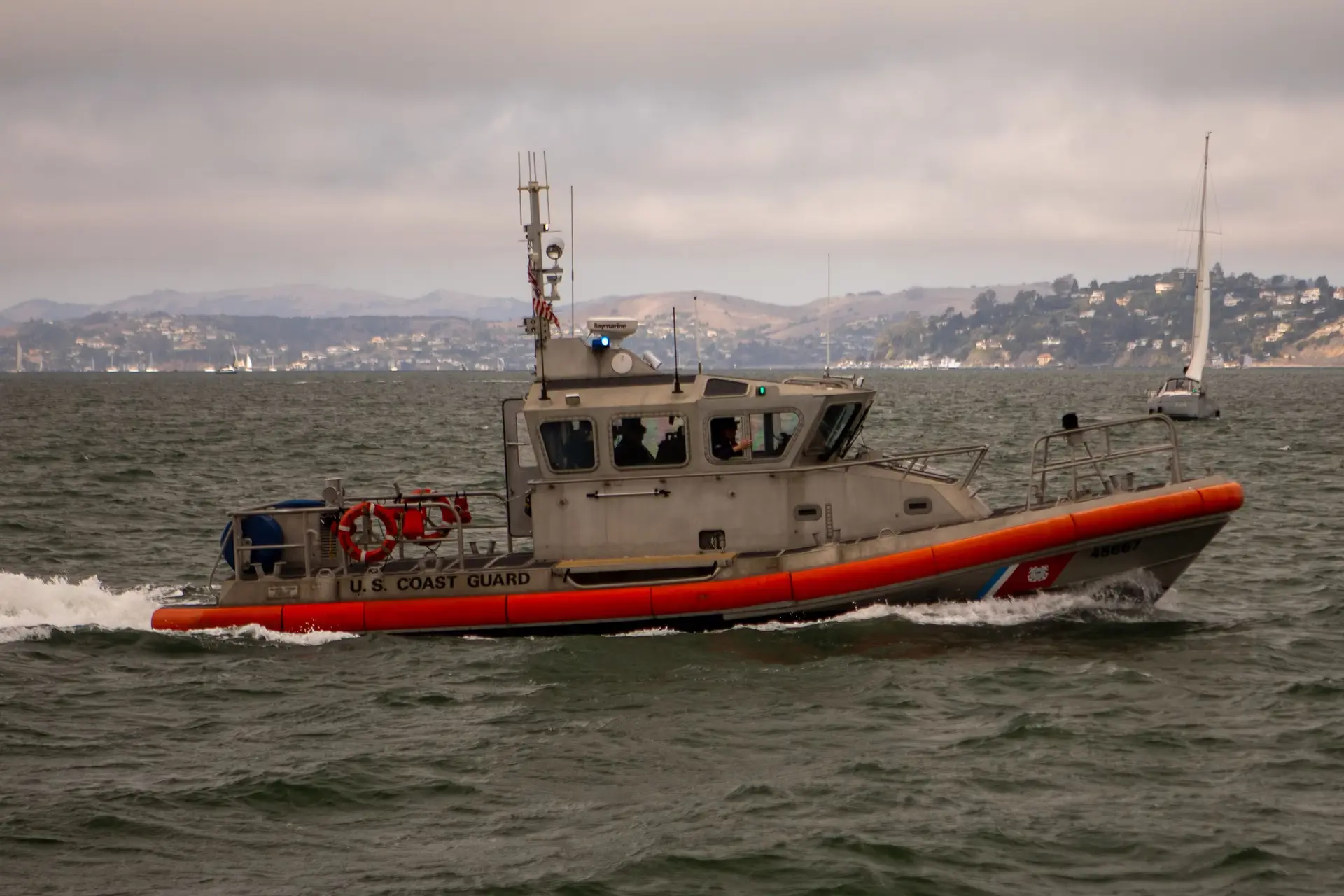
The treacherous waters off the coast of Baja California have once again demonstrated how quickly an offshore crossing can turn into a calamity. When a Mayday signal cut through the radio frequencies around one o’clock on Friday morning, it marked the start of an urgent recovery effort roughly 140 miles west of Ensenada. By the time a rescue helicopter located the capsized vessel two hours later, an all-too-familiar Pacific disaster was already unfolding.
Of the 27 individuals aboard, search teams managed to pull 16 Mexican nationals from the ocean during a ninety-minute operation aided by a rescue swimmer. Eleven passengers remain unaccounted for in the vast waters. The physical toll on those retrieved was severe, requiring emergency care while being transported toward medical facilities in San Diego. As the United States Coast Guard noted in a formal statement, several of the individuals rescued were suffering from severe injuries consistent with shark bites, and the Coast Guard provided life-saving first aid while en route to San Diego.
The oceanic expanse where the boat went down serves a dual role. While popular among legitimate commercial fishing vessels and leisure craft, the secluded waters west of Ensenada are regularly utilized by human smuggling networks aiming to bypass terrestrial border checks. The mortal hazards inherent to these clandestine sea routes are well documented. Previous ventures through these same waters have yielded similar outcomes, including a May 2025 incident in which a vessel flipped 35 miles north of the border, killing three, and a 2023 disaster off a fog-shrouded San Diego beach that resulted in eight deaths.
Jurisdictional borders on paper quickly yield to practical realities when distress calls ring out over open water. Although the capsizing occurred outside American territorial waters, agencies launched an extensive response alongside the Mexican Navy, deploying aircraft, naval vessels, and additional helicopters. Addressing the cross-border response, Coast Guard official Charlie Valor stated that authorities were able to help, and that’s why we launched our assets, emphasizing the operational logic of international maritime assistance.
As search crews sweep the ocean for the remaining eleven passengers, the incident highlights the unrelenting arithmetic of illegal maritime transit. The hazardous combination of overcrowded vessels, unpredictable currents, and marine predators ensures that these unauthorized journeys remain a high-stakes gamble where emergency services are left to manage the grim fallout.
Written by Christiane Hofreiter christiane.hofreiter@alpineweekly.com