Oct 18, 6:01 AM
Disposable Mercenaries and Torched Antennas: Europe's Ground Station Blindspot
A rash of arson attacks on Starlink infrastructure in Switzerland, Poland, and Bulgaria exposes how cheap criminal proxies can easily breach European security.
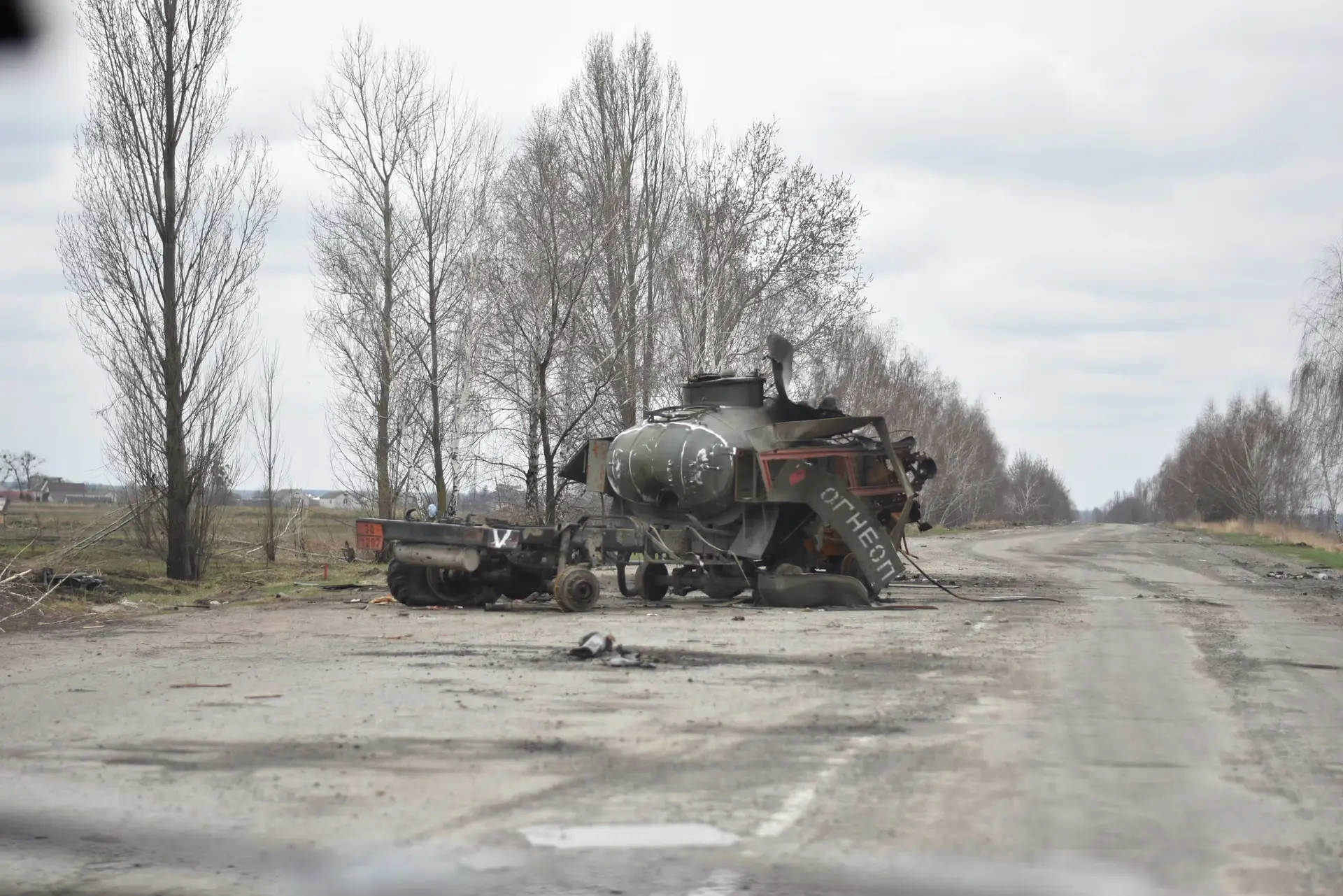
European security services are finding themselves outmaneuvered by a remarkably low-cost tactic: outsourced sabotage. The recent string of coordinated arson attacks on Starlink satellite ground stations spanning Switzerland, Poland, and Bulgaria does not feature elite commando units or complex cyber weapons. Instead, it exposes the cynical deployment of cheap, disposable criminal proxies capable of striking critical infrastructure with little more than a can of accelerant and a Telegram account.
It began quietly in Switzerland—a nation whose default political instinct when faced with uncomfortable external threats is often a naive, head-in-the-sand silence. On September 15, 2026, flames damaged a satellite ground station on the Brentjong plateau above Leuk, operated commercially by Signalhorn AG. The site hosts part of the Swiss intelligence service's Onyx interception system and was selected by Starlink for a planned 40-antenna facility. For weeks, the Swiss public heard nothing. While the Valais cantonal police later confirmed that prosecutors opened an investigation, the complete absence of initial reporting highlights a familiar Swiss reluctance to acknowledge that its tranquil territory is already entangled in a broader European security crisis.
In stark contrast stands Poland, where political leadership has little patience for official restraint. When a Starlink ground station in Wola Krobowska—operated by state telecommunications firm Exatel—was torched on September 23, Warsaw responded immediately. Polish Intelligence Coordinator Tomasz Siemoniak made no secret of his assessment, stating that We have no doubt that Russian secret services are behind this act of sabotage. The attackers poured accelerants over a control cabinet, briefly disrupting data traffic used for civilian and military communications across Central and Eastern Europe, including Ukrainian defense operations.
In Bulgaria, the political response took a far more opaque turn. After masked perpetrators burned eleven of seventeen antennas at a Vivacom facility near Sofia on October 10, Prime Minister Rumen Radev suppressed the news, even directing intelligence chiefs from the parliamentary podium to keep details hidden. It took opposition lawmaker Ivaylo Mirchev publishing surveillance video on social media to force official acknowledgment. Mirchev revealed that partner agencies had explicitly warned Bulgarian security forces of impending attacks on satellite ground stations, accusing local authorities of a complete failure to react.
What unites these fires is the criminal underworld tapped to execute them. German special police units in Nürtingen recently arrested two Turkish nationals under a Polish European arrest warrant, with additional suspects detained in Karlsruhe and Berlin. Investigators link the men to the "Daltons," a violent Turkish organized crime network notorious in Germany for extortion and armed violence. Western intelligence officials note that foreign services now routinely recruit petty criminals online as disposable agents—men who carry out arson for quick payouts without ever meeting a handler.
That key European communications nodes can be targeted by gang members who were already under deportation orders in Germany speaks volumes about the continent's domestic security gaps. Beyond the high-minded talk of military readiness, Europe seems ill-prepared to defend its physical infrastructure against cheap mercenaries hired off the street.
Written by Thorben Thiede thorben.thiede@alpineweekly.com