Nov 1, 7:01 PM
Out of Sight, Under the Concrete
How one of Switzerland's wealthiest cantons relies on cold-war bunkers to manage its administrative housing shortfalls.
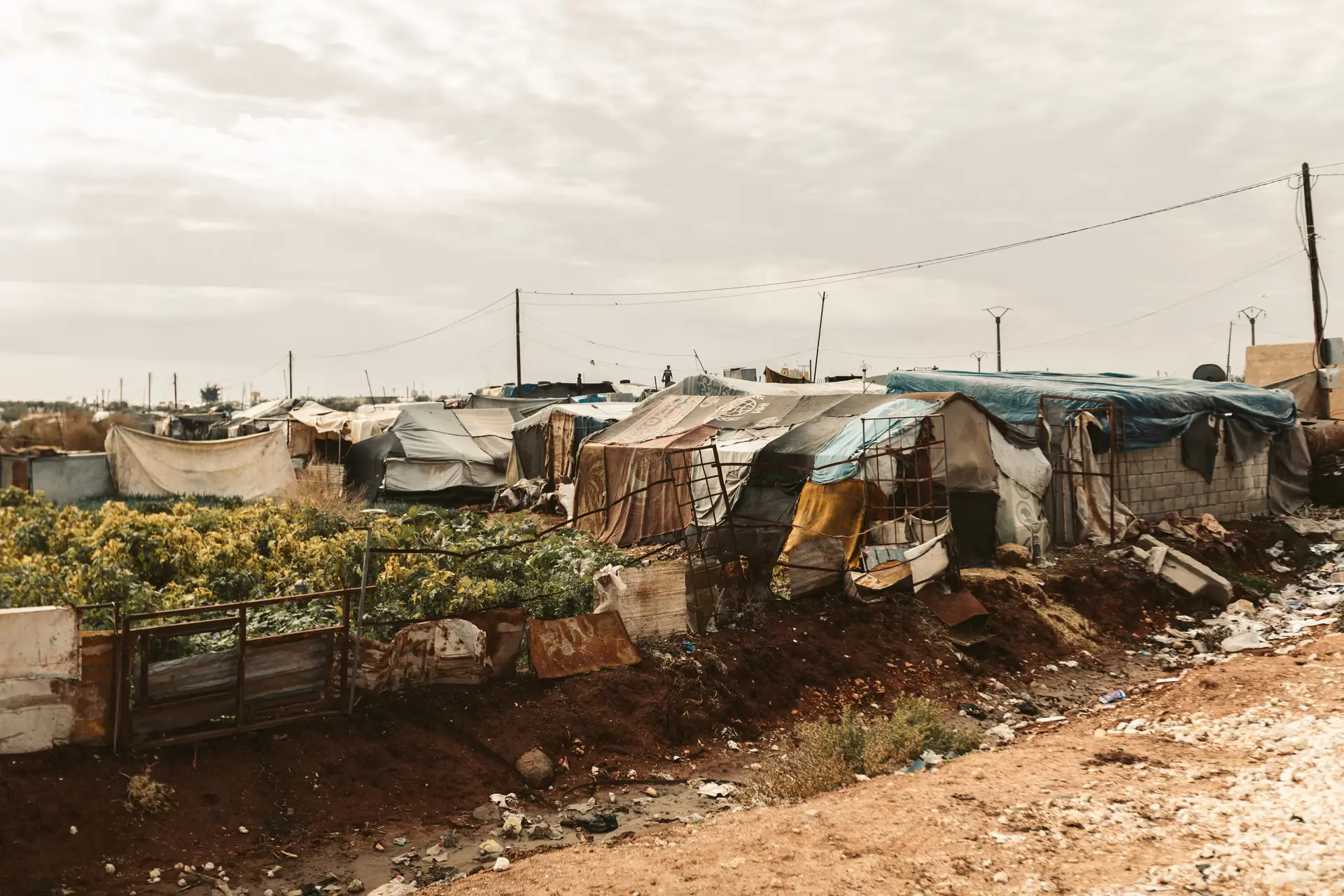
When real estate gets tight in affluent Switzerland, the local bureaucracy naturally looks downward. In the Canton of Vaud, roughly one hundred male refugees have spent months living in underground civil defense shelters, stripped of natural light and proper ventilation. It is a curious solution for one of the world's most prosperous corners, yet cantonal authorities treat it as an acceptable administrative contingency.
In the subterranean shelter of Clarens, nearly sixty men share three dimly lit dormitories. Another fifty are housed in similar quarters in Echallens. While the Établissement vaudois d'accueil des migrants (EVAM), the cantonal body responsible for migrant accommodation, claims that the average stay remains under three months, several residents state they have been stuck below ground for four to six months. The daily realities inside—cramped conditions, noise, and persistent dirt—have pushed some individuals to make extreme choices. Juri Smirnow, a Ukrainian refugee in his forties, decided to sleep outdoors rather than endure the mental strain and recurring nightmares linked to living in the bunker. A physics student in the same facility reported that constant noise renders any concentration on academic work impossible.
According to EVAM guidelines, these underground facilities are reserved exclusively for men, with exemptions supposedly granted to those with health issues. Yet the system is clearly struggling with basic logistics. EVAM currently manages 8,906 migrants across the canton, with the majority placed in standard apartments or collective housing centres, and over two hundred hosted by private individuals. The subterranean cohort represents just over one percent of the total, but finding alternative arrangements has proven remarkably difficult for public administrators.
The director of EVAM, Erich Dürst, acknowledged that these conditions are far from ideal, explaining that they remain acceptable under the law only as a last resort when no other solutions exist. He pointed to an overheated housing market, a shortage of suitable collective properties, budget constraints, and the requirement for equitable regional distribution across the canton. EVAM is searching for 400 accommodation places for the coming year, but Dürst indicated that opening additional civil defense shelters cannot be ruled out if those spaces are not found.
Non-governmental groups, including the Swiss Refugee Council, have long argued that concrete military shelters are unfit for human habitation. Yet in classic Swiss fashion, statutory permissibility takes priority over practical discomfort, turning emergency military infrastructure into a convenient buffer for administrative planning failures.
Written by Freya Stensrud freya.stensrud@alpineweekly.com