Nov 5, 5:01 AM
European Health Authorities Expand Surveillance as Tiger Mosquitoes Spread Tropical Diseases
Portugal releases sterile insects while EU agencies finance wastewater monitoring and diagnostic tools to contain local dengue transmission.
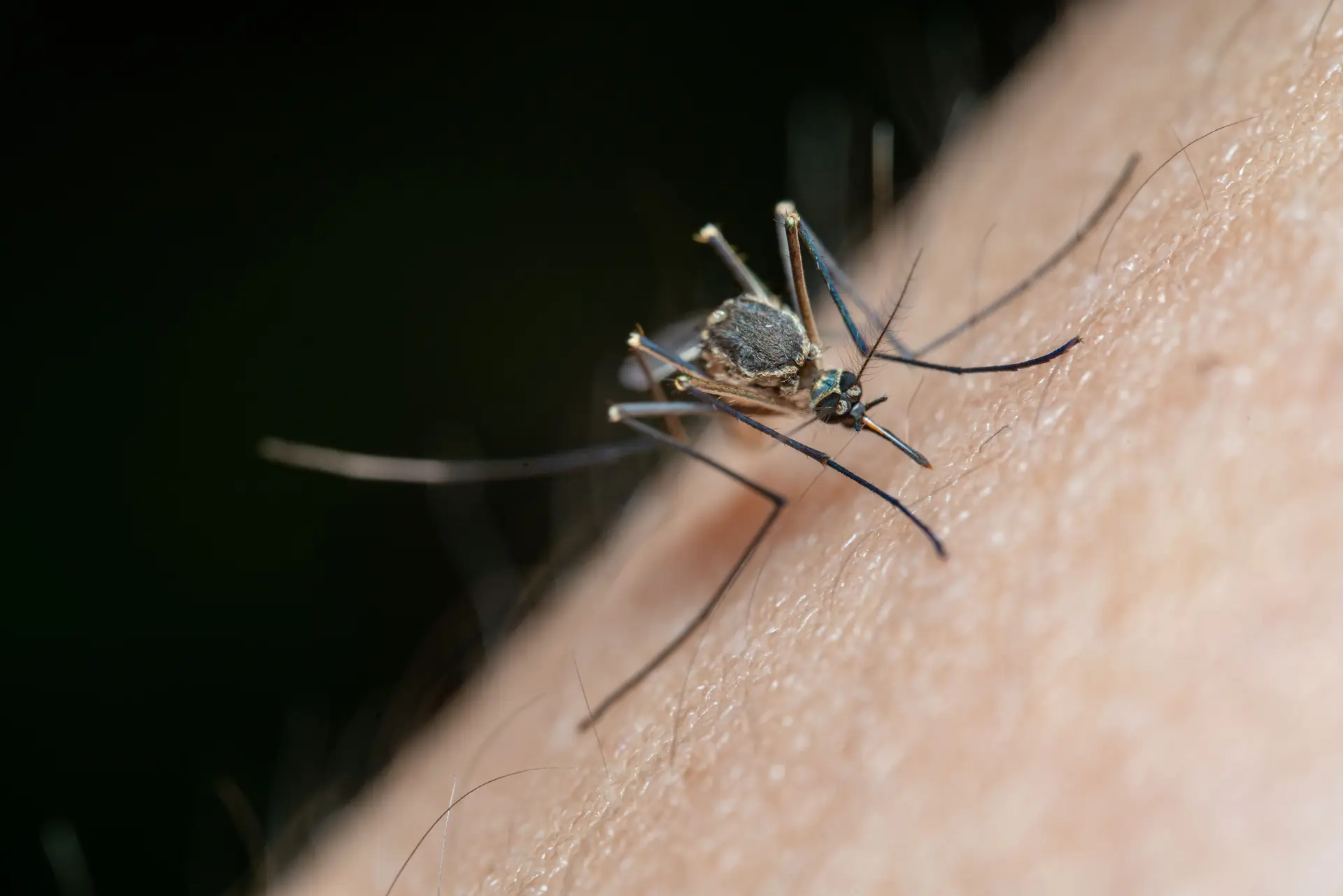
European health agencies and national governments are increasing containment and surveillance efforts to stop the spread of tiger mosquitoes and prevent tropical diseases from becoming endemic across the continent. In September, Portuguese authorities released 30,000 sterile male mosquitoes in a targeted effort to halt local reproduction of the invasive species. By the end of October 2026, Italy reported 76 locally acquired dengue cases and France registered eight, figures that represent roughly double the transmission levels recorded in 2025.
Originally native to Southeast Asia, the tiger mosquito entered Europe through Italy in the 1990s via shipments of used tires and subsequently established populations in France, Spain, Germany, and Switzerland. According to environmental epidemiologist Jan Semenza, the insect expands its range northward at a rate of approximately 60 kilometers per year, frequently aided by motor vehicle traffic. He stated that disease outbreaks advance even faster, moving at roughly 120 kilometers annually as infected travelers returning from tropical regions such as Thailand or Brazil pass pathogens to local mosquito populations.
To counter the threat, health officials are deploying diverse control methods to reduce insect populations across infected regions. Portugal selected radiation-sterilized male mosquitoes that mate with wild females without producing offspring, aiming to keep tropical pathogens from establishing permanently in the country. André Peralta Santos, deputy chief of Portugal's Directorate-General of Health, confirmed that the main objective is to prevent the country from becoming endemic. Other international initiatives, such as previous projects in Brazil, have utilized the bacterium Wolbachia to block viruses from infecting mosquito vectors.
At the European level, the Health Emergency Preparedness and Response Authority is backing wastewater surveillance programs to detect dengue and other viruses before patients present symptoms to doctors. Deputy Head of the authority Laurent Muschel stated that monitoring is taking place at major European airports as well as international transport hubs in Latin America, Africa, and Singapore. In addition, public health agencies are utilizing crowdsourced digital tracking, relying on mobile applications such as Mosquito Alert to collect geographic data on insect movements from citizens.
Beyond monitoring efforts, the European authority is allocating 10 million euros toward the development of new diagnostic tools, while funding research into antivirals and improved vaccines for dengue and chikungunya. Epidemiologist Jan Semenza emphasized that practical measures at the household level, including the removal of standing water where larvae hatch, remain essential to public health responses. Laurent Muschel indicated that health authorities are assessing options to vaccinate specific local populations in areas where mosquitoes actively transmit diseases.
Written by Andreas Hofer andreas.hofer@alpineweekly.com