Oct 25, 9:01 AM
Boutique Huts on Melting Ice: The Cost of Swiss Alpine Comfort
As permafrost thaws and mountain foundations slip, the Swiss Alpine Club faces a costly identity crisis between minimalist shelter and high-altitude luxury.
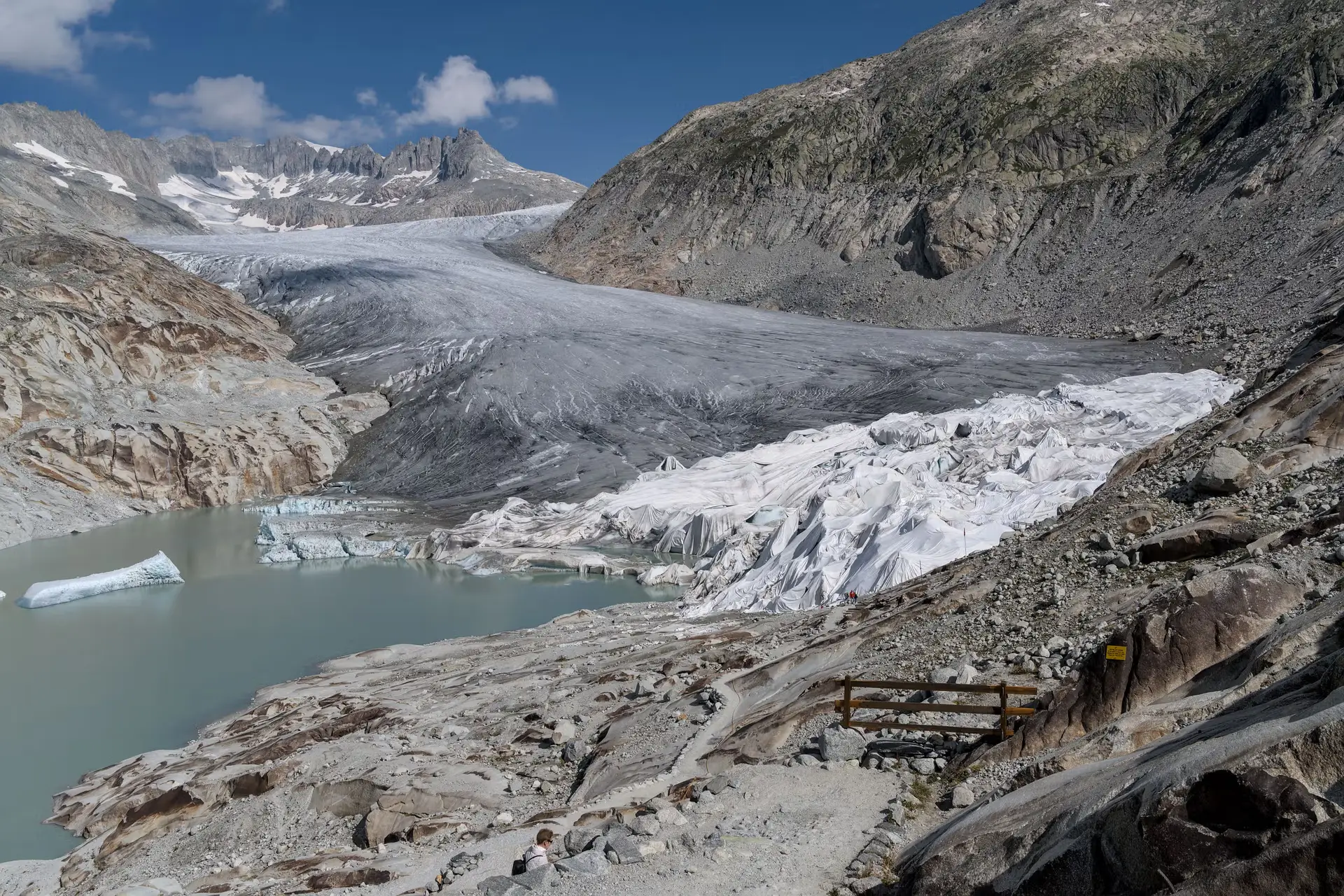
High up in the Glarus Alps, where permafrost melts and rock faces crumble, Swiss mountain culture faces an existential dilemma of its own making. The Swiss Alpine Club, custodian of 151 high-altitude shelters, is discovering that alpine romanticism comes with a heavy price tag when combined with modern expectations of comfort.
More than a third of these huts sit precariously in designated danger zones, while an equal number routinely run out of water. Melting ice destabilizes the ground beneath them, forcing local sections to spend lavishly on structural overhauls, steel staircases, and new water reservoirs. Yet the changing climate is only half the problem. The other half is the modern hiker who expects high-speed internet, warm meals, and comfortable amenities at 2,500 meters above sea level.
Switzerland’s signature response to any crisis is a mixture of architectural prestige and deep pockets. When a rockfall rendered the Mutthornhütte uninhabitable, the responsible section voted to spend four million Swiss francs and order around 600 helicopter flights to erect a replacement inside a UNESCO-protected glacier zone. Younger section members suggested abandoning the site altogether—a sensible economic proposition that was promptly voted down. Wealthy societies rarely like to surrender territory, even to nature.
This impulse has transformed modest emergency shelters into arenas of competing special interests. Hanspeter Bürgi, head of the SAC Hut Commission, insists that huts should remain simple refuges rather than village inns offering private rooms and hot showers. Yet architectural design contests, long a cherished national tradition, tend to produce ambitious projects that stretch local section budgets to their absolute limits.
Meanwhile, landscape conservation groups like the Stiftung Landschaftsschutz, co-headed by Franziska Grossenbacher, question whether every remote peak requires high-altitude catering and invasive avalanche barriers. The club holds an enviable privilege: permission to construct buildings in fragile ecosystems off-limits to everyone else. Whether flying hundreds of tons of concrete into high-alpine zones to serve weekend tourists aligns with prudent stewardship is an embarrassing question Swiss alpinists would prefer to avoid.
Hut wardens like Peter Schläppi of the Gelmerhütte take a more pragmatic view of the daily operational chaos. Standing beside his solar panels, he notes that while glaciers shrink, the mountains themselves are not going anywhere. Still, even he faces the weight of regulatory overreach, such as avalanche assessments that mandate costly structural reinforcements despite decades of quiet history.
The mountain debate reflects a broader national trait: a comfortable reliance on financial engineering to delay hard choices. As glaciers retreat and maintenance costs climb, the Swiss Alpine Club will eventually have to decide whether it is managing high-alpine refuges or operating high-altitude boutique hotels.
Written by Thorben Thiede thorben.thiede@alpineweekly.com