
Nov 7, 9:01 AM
Beach Metal Detectorists Navigate Antiquity Laws along Moroccan Coast
Hobbyists scanning shores around Agadir combine coastal exploration with trash cleanup while operating under regulations governing archaeological finds.
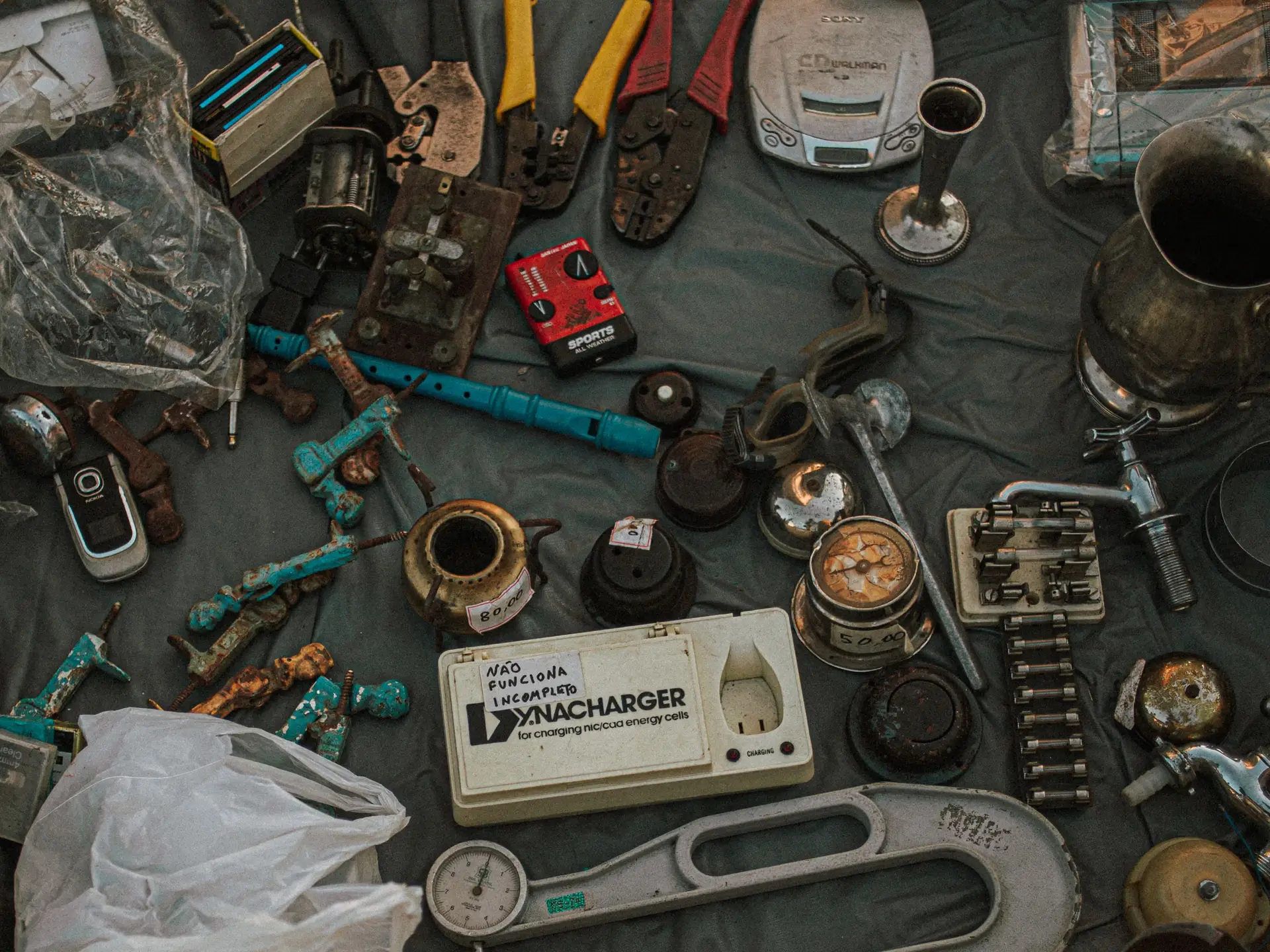
AGADIR — Recreational metal detectorists along Morocco’s Atlantic coastline are continuing their searches across popular beaches, operating under national regulations that govern archaeological preservation and coastal exploration. Enthusiasts frequently scan public shores near Agadir, Taghazout, and Sidi Ouassay, pulling modern currency, discarded metal waste, and occasional historical artifacts from the sand.
Moroccan legislation under Law 22-80 strictly regulates archaeological prospecting and the handling of historical discoveries. The legal framework mandates that any targeted searches intended to uncover monuments, coins, or items of historic and anthropological value require prior official authorization. Under the same statute, accidental finds of antiquities during non-archaeological activities must be promptly reported to the authorities, while the items themselves must remain undisturbed to preserve their original context.
According to underwater archaeologist Basma Oumaima, the physical context surrounding a finding is often as important as the object itself, as precise locations provide critical historical data. Oumaima noted that metal detectors serve as valid scientific tools when utilized within structured archaeological surveys where every item is formally recorded. Hobbyists state that they respect these legal parameters by avoiding registered heritage sites and private property.
Among those active on the coastline is Mustapha Harmouch, a 33-year-old content creator who operates the YouTube channel Stofishing, which has approximately 123,000 subscribers. Using a Tianxun TX 850 detector, Harmouch searches coastal locations several times a month alongside fellow enthusiasts. Near the town of Sidi Ouassay, located roughly 65 kilometers south of Agadir, he previously located 14 bronze and copper falus coins, the oldest of which dates to 1289 on the Hijri calendar. His other findings have included a French 20-franc silver coin and modern jewelry.
Detectorists affiliated with the Moroccan Association for Research and Exploration Enthusiasts carry identity cards during their outings. Participants also clear hazardous debris encountered during their sweeps along the coast. Jalal Zegnoune, a maintenance technician from Casablanca who scans beaches during his off-hours, reported regularly removing rusted sardine cans, nails, and discarded fishing lines to prevent injuries to visitors. Mohamed Botaib, another local enthusiast, confirmed that collecting and disposing of buried aluminium scrap remains a standard part of their coastal routines.
Written by Freya Stensrud freya.stensrud@alpineweekly.com