Nov 2, 3:00 PM
An Unseasonable Chill: Arctic Winds Threaten Europe's Mild Autumn
An early breakdown of the stratospheric polar vortex coincides with severe autumn storms in the Mediterranean.
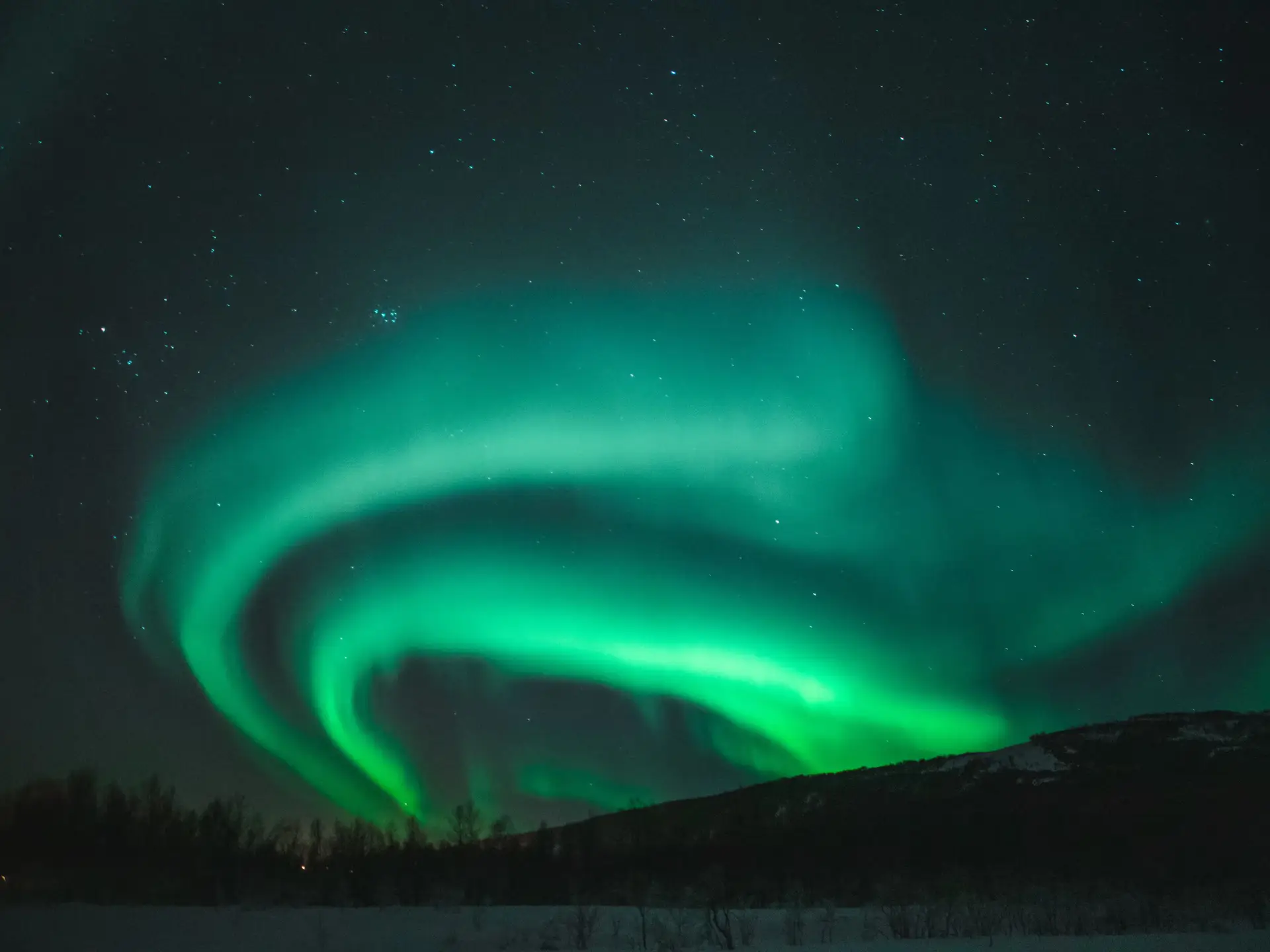
Winter has a knack for disregarding seasonal timetables. High above the Arctic circle, the stratospheric polar vortex is currently displaying an unseasonal frailty. Usually, this vast ring of low pressure and freezing air consolidates its strength throughout autumn, sealing icy air masses at the pole. Yet forecast models indicate a sharp deceleration over the coming ten days, raising the prospect of an uncommonly early disruption.
At the heart of the atmospheric drama is a potential sudden stratospheric warming event. When such phenomena take hold, temperatures in the stratosphere can surge by as much as 50 degrees Celsius in a matter of days, collapsing the prevailing westerly winds that keep arctic cold contained. Meteorologists tracking the phenomenon note that while a total reversal of winds is not yet guaranteed, the sheer speed of the weakening is unusual. The earliest major event on record dates back to 28 November 1968, a decade after modern observations began in 1958.
Should this high-altitude ring fracture completely, mid-latitude weather systems across Europe will feel the nudge. Weakened vortex dynamics tend to anchor stubborn high-pressure zones over northern Europe, opening a corridor for frigid polar air to spill southwards into early winter. While a severe freeze is unlikely to hit within the next two or three weeks, the broader atmospheric machinery is shifting toward a prolonged chill.
While northern latitudes await the slow trickle of Arctic air, southern Europe is already dealing with immediate liquid chaos. A deepening low-pressure system in the Mediterranean is set to lash central and southern Italy. Forecasts project more than 100 millimeters of rainfall within 24 hours across the high ground of Italy’s southern regions, accompanied by gale-force winds. In a region where state infrastructure consistently struggles under physical strain, such deluges inevitably expose regional vulnerabilities before the storm system pushes east toward an already saturated Greece.
Nature, as usual, exposes the limits of human foresight. Atmospheric models may still debate whether the stratospheric winds will fully reverse, but the broader shift is clear: Europe's benign autumn weather is coming to an abrupt end.
Written by Martina Kirchner martina.kirchner@alpineweekly.com