
Nov 2, 3:02 PM
Paying for Peace: Uganda Begins Its Exit From Somalia
As foreign subsidies shrink, Kampala initiates a multi-year troop withdrawal, leaving Mogadishu to face its own security reality.
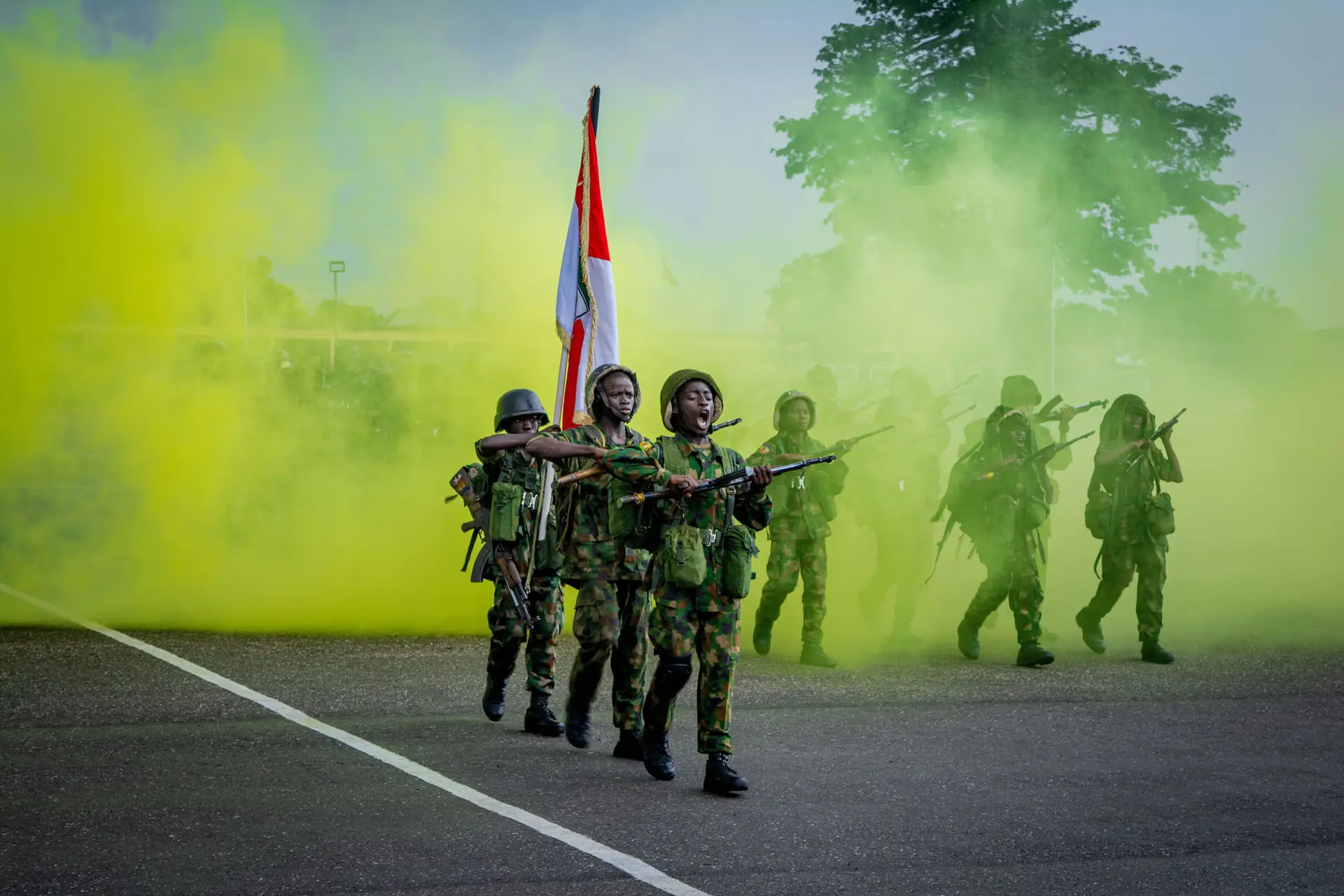
When external financial life-support begins to dry up, even two-decade-old security arrangements suddenly find their expiration date. Uganda has officially initiated the departure of its military forces from Somalia, signaling a definitive end to an era of regional peacekeeping heavily underwritten by international patronage.
The first contingent of 109 soldiers from the Uganda People's Defence Forces has already departed Mogadishu following orders from army chief General Muhoozi Kainerugaba. According to military spokesperson Chris Magezi, this initial movement of bilateral forces will soon be followed by the broader contingent, leading to a complete handover of security duties to Somali authorities by the end of 2027. Currently, Kampala maintains approximately 4,500 soldiers under the African Union banner alongside roughly 2,000 troops stationed via bilateral agreements.
This departure marks a stark shift from 2007, when Uganda became the pioneer nation to send troops under the original African Union Mission in Somalia. Over the past twenty years, Ugandan forces were central to driving al-Shabab militants out of Mogadishu and securing key strategic positions alongside the Somali National Army. Yet, endless military presence rarely builds a self-sustaining state.
The mission's evolution—from AMISOM to the African Union Transition Mission, and most recently to the African Union Support and Stabilisation Mission in 2025—reflects a long sequence of rebranded mandates. The latest iteration, intended to bolster local institutions, now confronts a stark financial vacuum as United Nations and United States support winds down. A twelve-month transition period starting in January leaves the African Union and Somalia scrambling to secure alternative financing.
Political entreaties appear to have yielded little. Last week, Somali President Hassan Sheikh Mohamud traveled to Kampala to meet with Ugandan President Yoweri Museveni, attempting to persuade the host nation to maintain its military presence. Museveni’s public response was telling: he instructed Somali leaders and citizens to unite and face the insurgency themselves. For Mogadishu, the decade-long luxury of outsourcing sovereign defense is rapidly coming to an end.
Written by Sandy van Dongen sandy.vandongen@alpineweekly.com