Jul 19, 10:01 PM
A floating lab sets out for the Arctic’s last big unknown
From Lorient, the Tara Polar Station has begun a long drift into the ice, carrying scientists, instruments and the usual modern faith that data can still outrun politics.
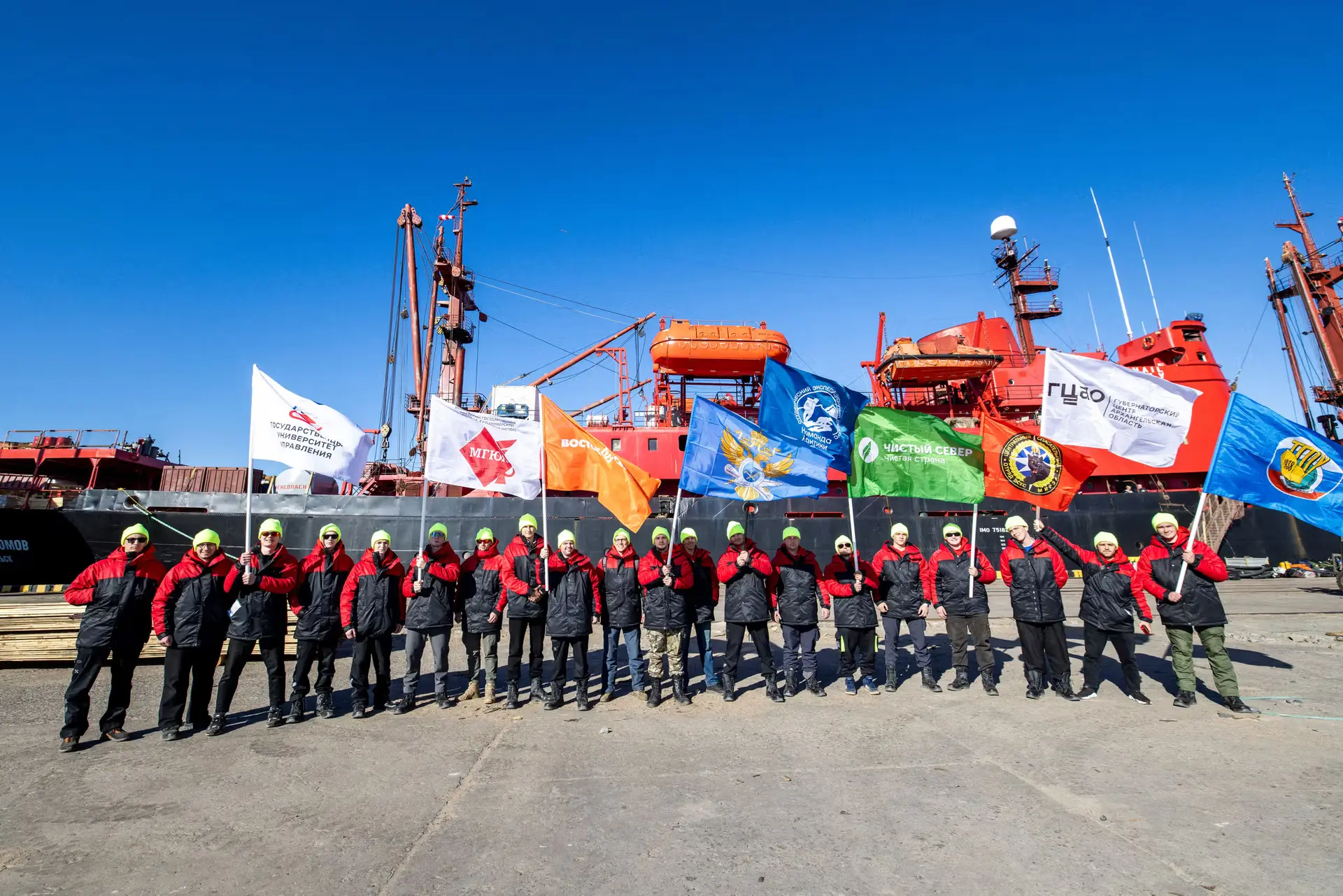
Lorient has seen ships leave before, but this one carries a slightly more ambitious cargo than trade and nostalgia. On Sunday afternoon, the Tara Polar Station departed for its first expedition to the North Pole, watched by several hundred people on the quays and by Catherine Chabaud, France’s Minister for the Sea. The floating research station is now headed into the kind of environment where even the best planning is only a polite suggestion.
The mission is straightforward enough to sound almost modest: study the biodiversity of the Arctic Ocean and measure how climate change is reshaping it. That means a long drift with the pack ice, a route that should last between 350 and 500 days once the station is trapped in the ice at the start of September. By then, it will already have sailed along the Russian coast, escorted by an icebreaker, from mid-August onward. The expected destination is the Fram Strait, between Greenland and Svalbard, with arrival anticipated at the end of 2027.
The station itself looks as if someone took an igloo, placed it on an oversized buoy and then asked engineers to make it survive temperatures down to minus 52 degrees Celsius. That is not decorative excess; it is a necessity. The Arctic is warming three to four times faster than the rest of the planet, and the sea ice is retreating quickly. Nature, as usual, is not waiting for conference communiqués.
Twelve countries are involved in the mission, among them Germany, Canada, the United States, Spain, Switzerland and Japan. On board, twelve people will live through the winter, including six scientists, while the summer crew will rise to eighteen. Before departure, the team underwent medical and psychological screening and even a team-building seminar, a reminder that polar science now requires the sort of preparation once reserved for expeditions and hostage negotiations.
The wintering crew will face five months of polar night, average temperatures of minus 25 degrees and the presence of polar bears. For safety during outings on the ice, all crew members have been trained to use firearms. A Lapponian herder dog will also accompany the expedition to detect approaching animals. It is a rare modern project that still leaves room for the old virtues: caution, discipline and a dog with a useful job.
The scientific work is more exacting still. Using a well at the heart of the station and advanced instruments, researchers plan to collect more than 10,000 samples from the water column down to 2,000 metres, as well as from the atmosphere and the cavities inside the sea ice. The aim is to document Arctic biodiversity, much of it still poorly understood, before the region is altered beyond recognition.
The station will also contribute to climate models, including work on the role of bacteria in cloud reflectivity. The first mission is estimated to cost 6 million euros, a sum that is not trivial but still cheaper than ignorance. It also opens a programme of ten expeditions planned between 2026 and 2045, with one mission every two years. In other words, this is not a one-off spectacle for the cameras. It is an attempt to build a long record in a region that is changing faster than most institutions can file their reports.
Written by Christiane Hofreiter christiane.hofreiter@alpineweekly.com