
Nov 10, 9:00 PM
US Senate Advances Bipartisan Energy Permitting and Infrastructure Bill
The Senate voted 73-25 to proceed with legislation overhauling energy project approvals and funding for data center power demands.
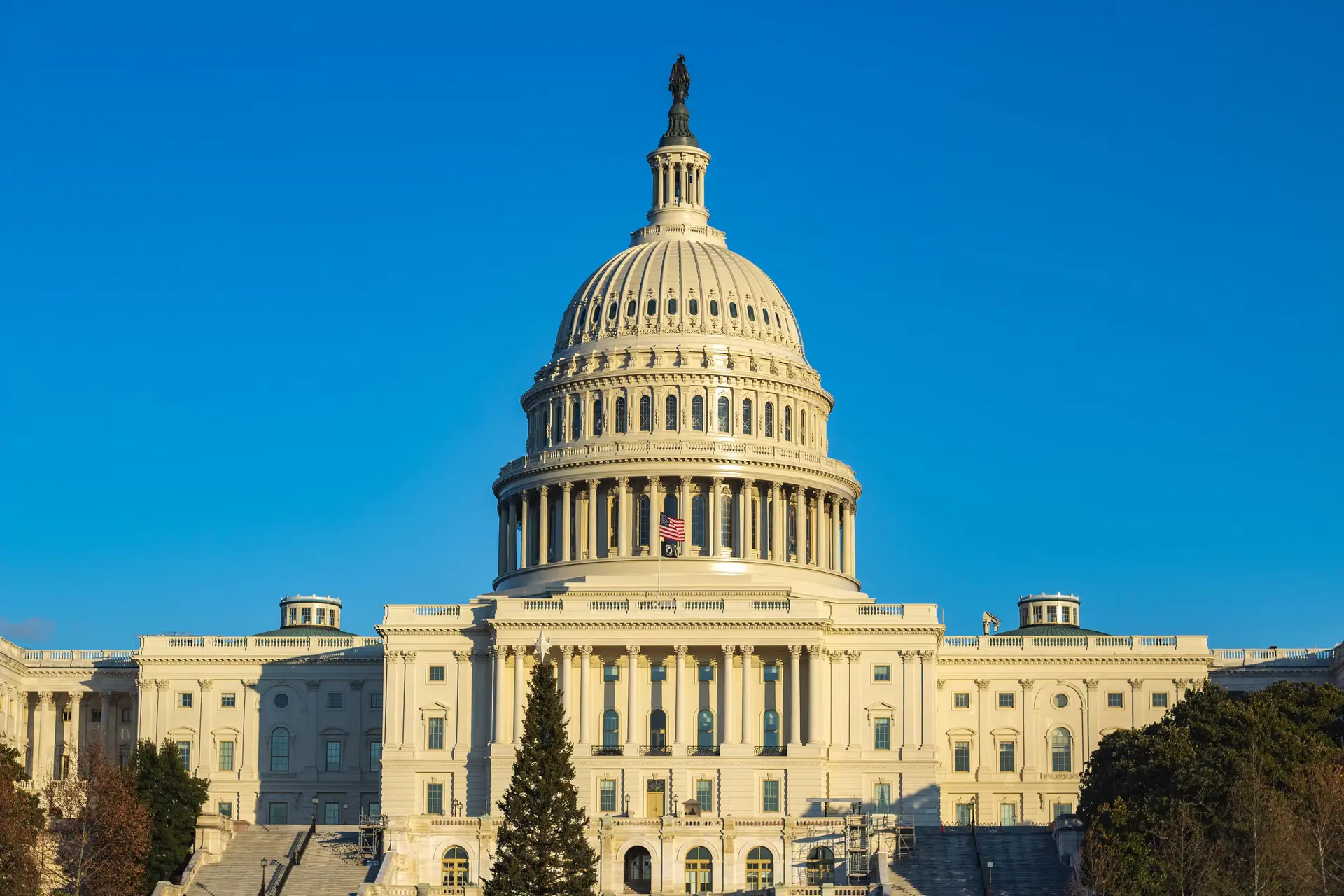
The United States Senate voted 73 to 25 on Monday to advance a major energy permitting reform bill aimed at accelerating the construction of power infrastructure and data centres. Supported by nearly all Senate Republicans and more than a dozen Democrats, the Bipartisan American Affordability and Jobs Act now moves toward potential final passage.
The proposed legislation overhauls federal permitting procedures for both fossil fuel and renewable energy projects. Under the measure, environmental review deadlines would be shortened, and timeframes for legal challenges against new energy installations would be restricted. Additionally, owners of high-consumption data centres would be required to contribute 55 billion dollars over the next decade to fund power grid infrastructure.
Sponsors of the bill estimate that the changes will generate 19 billion dollars in residential electricity savings through 2040 while doubling the number of solar and wind installations connected to the national grid. United States President Donald Trump publicly endorsed the legislation on social media, describing it as a key measure for national energy independence. Democratic Senator Martin Heinrich, ranking member on the Senate Energy and Natural Resources Committee, stated that lawmakers should act immediately to lower household living costs.
Environmental organisations, including the Climate Justice Alliance, the Indigenous Environmental Network, and the Western Environmental Law Center, have expressed opposition to the draft law. In a joint statement, the coalition argued that the reform would weaken environmental protections, entrench fossil fuel reliance, and disproportionately affect lower-income communities. They also warned that limits on legal recourse would restrict local residents from challenging industrial projects in their areas.
The legislative process faces potential hurdles in the House of Representatives following recent midterm election results. House Minority Leader Hakeem Jeffries indicated through a spokesperson that the current text falls short on climate priorities, signaling that incoming Democratic majorities in the next Congress may seek revisions before final enactment.
Written by Sandy van Dongen sandy.vandongen@alpineweekly.com