
Nov 9, 3:01 PM
US Republicans Prepare Leadership Elections Following Midterm Defeats
Contests in the House and Senate will establish the party's leadership as Democrats assume control of both chambers in January.
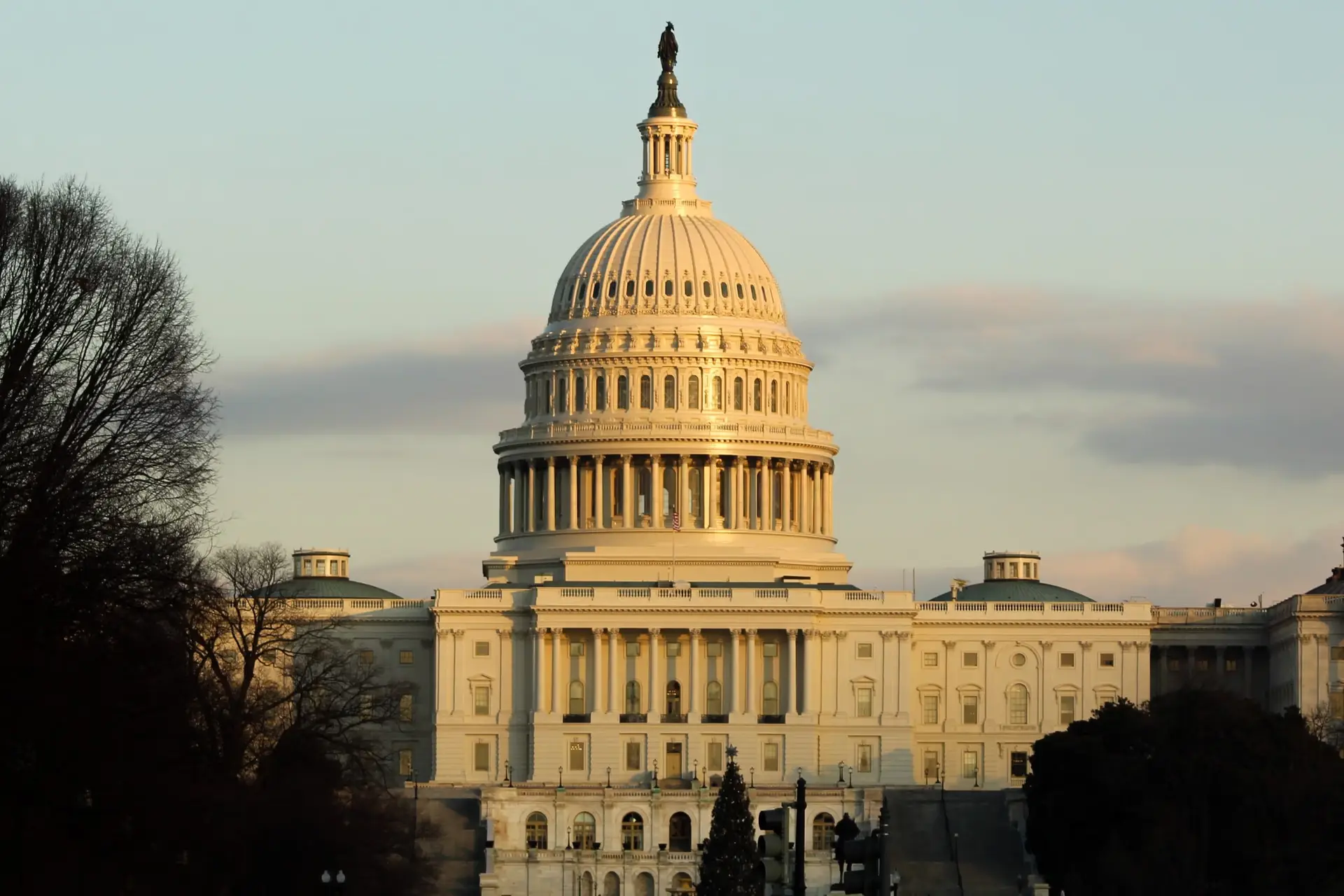
Following the loss of their majorities in the United States midterm elections, Republican members of the House of Representatives and the Senate are scheduled to hold internal leadership elections on Tuesday. The votes will determine the party's leadership structure for the upcoming 120th Congress, which convenes in January under Democratic majorities in both legislative chambers.
In the House of Representatives, the race for minority leader features Representative Steve Scalise of Louisiana competing against Representative Jim Jordan of Ohio. Scalise, who previously served as majority and minority whip, cited his executive leadership experience within the conference as a basis for guiding the party back to majority status. Jordan, a co-founder of the House Freedom Caucus, stated in a letter to colleagues that his candidacy focuses on confronting Democratic-led committee investigations into the administration of President Donald Trump.
The contest for House minority whip features incumbent majority whip Tom Emmer of Minnesota running against Representative August Pfluger of Texas. Pfluger, who chairs the Republican Study Committee, argued in a statement to members that new leadership was required to develop strategy ahead of the 2028 elections. Meanwhile, outgoing House Speaker Mike Johnson announced that he would not seek a minority leadership position, though he intends to remain in Congress representing his Louisiana district.
In the Senate, current Majority Leader John Thune of South Dakota is seeking to retain his leadership post as minority leader, facing no formal public challengers. Current Majority Whip John Barrasso of Wyoming is likewise expected to run for the second-ranking post in the Senate Republican conference. However, some Senate Republicans have called for postponing the vote. Senator Ron Johnson of Wisconsin told Fox News that the party needed additional time to analyze the election outcome rather than taking an immediate vote, a position supported publicly by Senator Mike Lee of Utah.
When the new Congress convenes in January, Democrats will hold at least 54 seats in the 100-member Senate and at least 254 seats in the 435-member House of Representatives. The incoming minority leaders will be tasked with coordinating legislative strategy, managing internal conference meetings, and negotiating with the Democratic majorities over the final two years of President Trump's term.
Written by Martina Kirchner martina.kirchner@alpineweekly.com