
Nov 14, 1:01 PM
Ukraine and Russia Develop Satellite Programs Amid Communications Vulnerabilities
Kyiv explores independent orbit networks following Starlink disruptions while Moscow faces technical setbacks with its Rassvet constellation.
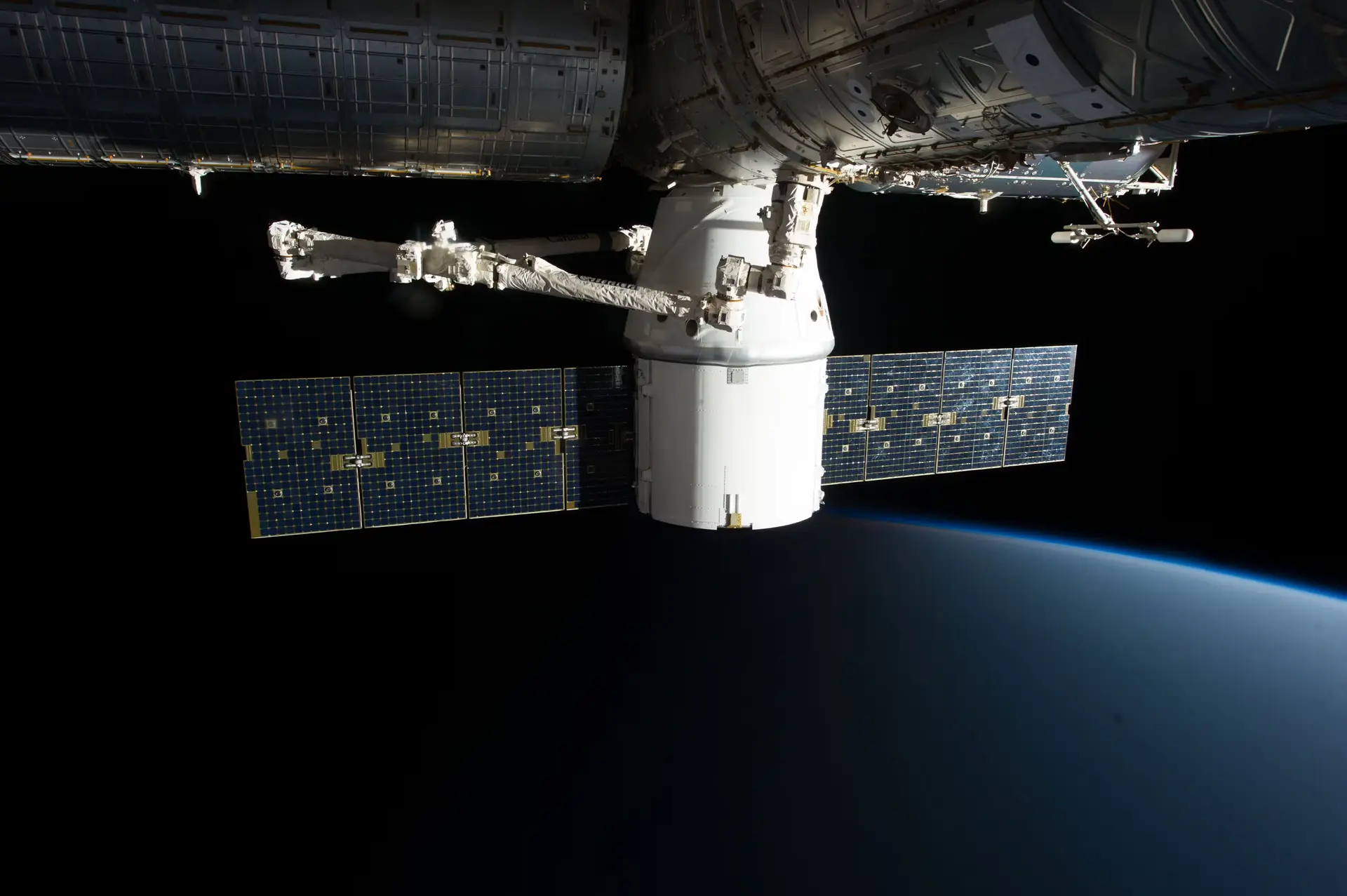
Ukraine has begun taking initial steps toward establishing independent military satellite communications to reduce its reliance on SpaceX's Starlink network following service disruptions on the front line. The effort includes the deployment of a test nanosatellite and preliminary agreements with European technology companies to explore dedicated defense satellite systems.
The Ukrainian military relies heavily on Starlink, which operates over 10,000 low-Earth orbit satellites to maintain battlefield communications. Operational difficulties arose in mid-October when speed limits of 60 kilometres per hour were imposed on Starlink and Starshield terminals, disrupting Ukrainian drone operations. Ukrainian President Volodymyr Zelenskyy confirmed that the speed caps resulted in significant operational disruptions along active front sectors.
To establish sovereign capabilities, Ukrainian manufacturer Himera and Danish satellite producer GomSpace deployed the Obria Nano satellite, which reached orbit in late September, as confirmed by the company on October 27. In mid-October, Kyiv also signed agreements with Finnish telecommunications firm Nokia and space startup ICEYE to evaluate building a network capable of capturing high-resolution radar imagery in all weather conditions. Alternative commercial providers such as Eutelsat's OneWeb offer limited coverage in Ukraine, with terminal costs of 9,000 dollars compared to 500 dollars for Starlink hardware.
Russia is simultaneously pursuing its own low-Earth orbit military satellite constellation, known as Rassvet, managed by space company Bureau 1440. The network, which aims to deploy 900 satellites by 2035, relies on Chinese-manufactured components and has experienced technical setbacks. According to Ukrainian military publications and defense analysts, two Rassvet 3 satellites failed within seven months of launch, with one satellite burning up in the atmosphere on November 1 after its positioning thrusters failed to activate.
Russian President Vladimir Putin stated on October 28 that Moscow remains in contact with American space entities, including SpaceX, to coordinate orbital safety and maintain order in low-Earth orbit. Military space analysts note that full replacement of Starlink would require several years of development, prompting Kyiv to evaluate short-term solutions such as stratospheric drones and ground-based autonomous targeting systems.
Written by Sandy van Dongen sandy.vandongen@alpineweekly.com