Jul 22, 8:03 PM
Trump revives a Syria gambit that Damascus can scarcely afford
Washington keeps flirting with a Syrian role against Hezbollah, but the practical answer is border control, not another regional adventure.
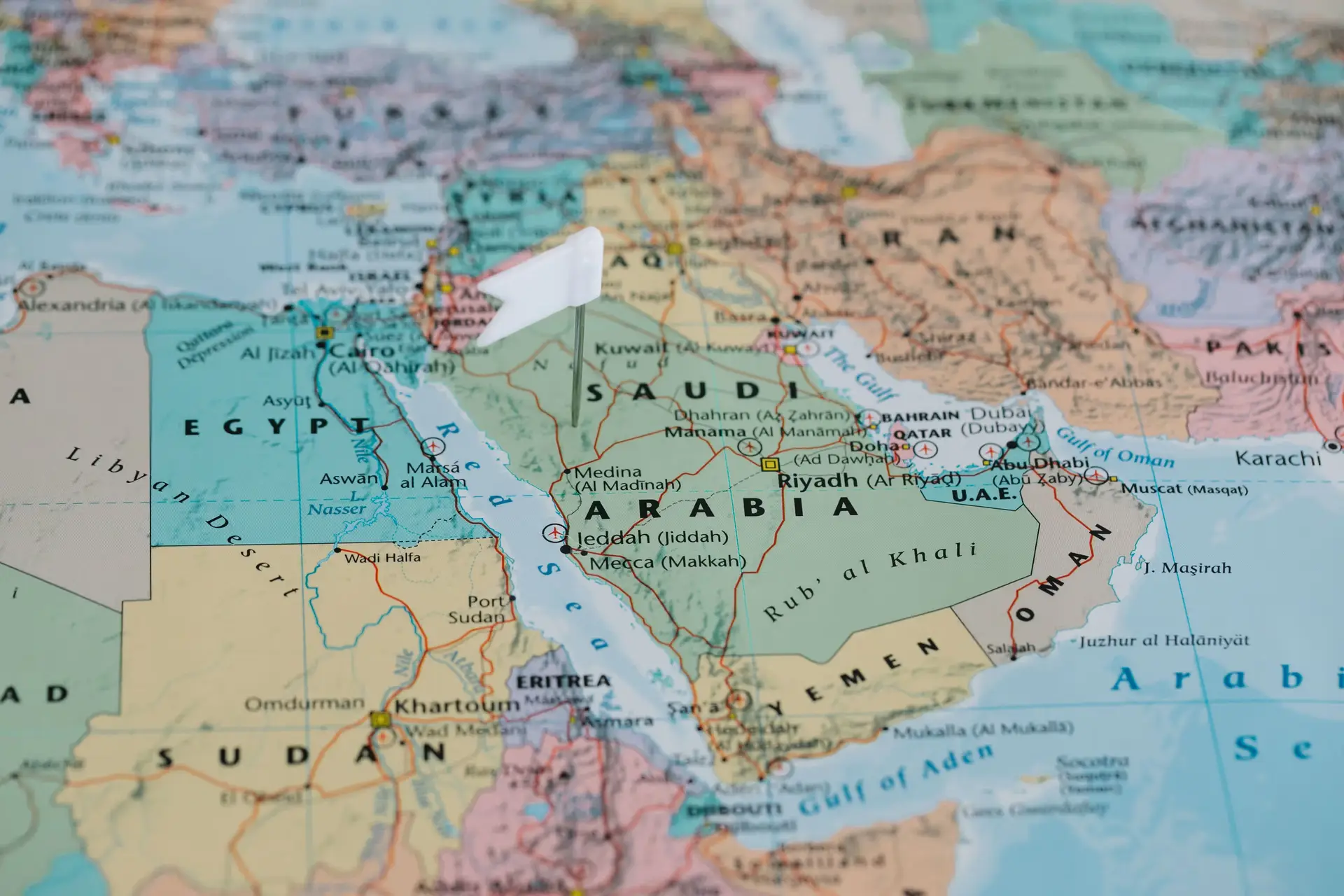
Donald Trump’s latest idea on Lebanon has the familiar quality of a plan announced before anyone has finished asking whether it is a plan at all. At the White House on Tuesday, sitting beside Lebanese President Joseph Aoun, he repeated the suggestion that Syria could intervene in Lebanon and do something about Hezbollah. It was not his first attempt to sell the notion, which has been met with broad scepticism for the rather old-fashioned reason that states usually prefer not to outsource their wars to neighbours in transition.
The immediate pushback came from Washington itself. Marco Rubio, the US secretary of state, said on Wednesday that Syrian authorities were not fond of Hezbollah, but that Washington had urged them to focus on their own internal problems and on building a nation state. That is the sort of advice that sounds almost radical in a region where grand schemes are plentiful and functioning institutions remain in shorter supply.
The history behind the scepticism is not subtle. Syrian troops first entered Lebanon in 1976 under Hafez al-Assad, during the early years of the Lebanese civil war. Syria then occupied most of Lebanon for nearly three decades, except for the south, which remained under Israeli occupation until 2000, before withdrawing in 2005 after widespread protests. The memory of that period still hangs over any talk of Syrian involvement next door, and not in a flattering way.
That is one reason analysts say Trump’s idea would be strategically self-defeating for Syria’s new authorities. Bassel Doueik, a political and security researcher, argued that a military intervention in Lebanon to help disarm Hezbollah would undermine efforts to build a stable relationship with the Lebanese state. He also said Hezbollah would almost certainly present any Syrian military move as foreign aggression, turning the episode into a useful propaganda gift and possibly rallying support from people who are otherwise hostile to the group.
Nanar Hawach, senior analyst on Syria at the International Crisis Group, made a related point: a Syrian military return would reopen a deep wound in Lebanon’s political memory and provoke resistance even among communities that strongly oppose Hezbollah, because it would revive the experience of decades of Syrian control. Regionally, he said, it would cast doubt on Syria’s claim to have broken with old patterns of interference and could drag the country back into the role of theatre for a wider conflict. For a state still trying to stabilise itself after Bashar al-Assad was removed in 2024, this is not exactly a bargain.
There is also the more immediate problem of Syrian security. Syria still faces threats from remnants of the former government and from groups linked to ISIL. Samy Akil, a Syrian security analyst, said the wider US intelligence and defence community sees the idea as a recipe for disaster. He added that Syrian troops were unlikely to enter Lebanese territory at all, and that if they ever did, it would have to be within a regional agreement. His formulation was brisk: getting into Lebanon is easy, getting out is always very difficult.
Trump’s comments landed while the Lebanese army began deploying on Tuesday in pilot zones under a US-brokered framework agreement signed between Lebanon and Israel last month. That deal provides for a gradual Israeli withdrawal and the deployment of Lebanese troops to prevent Hezbollah from re-establishing a presence in the south. The war between Israel and Hezbollah has continued since October 2023, with several escalations, including one in September 2024 and another in early March this year after the start of the US-Israel war on Iran.
Seen from Washington, the Syria talk may be less a real operational proposal than a pressure tactic. Hawach said Trump could be signalling that the US has more than one lever on the Lebanon war, while unsettling Hezbollah, Iran and Israel by applying different kinds of pressure. It also lets Damascus look responsible by refusing a role that would widen the fighting. In the Middle East, even restraint can become a kind of public relations strategy.
If Syria wants to help curb Hezbollah’s reach, the less theatrical options are also the more plausible ones. Souhaib Jawhar, a non-resident fellow at the Beirut-based Badil Policy Institute, said the realistic scenario is one that stays on Syrian territory rather than in Lebanon: strengthening the Syrian army’s presence on the border, tightening control over illegal crossings, closing or destroying smuggling tunnels and increasing security information exchange with the Lebanese army. Rubio made the same basic case in official language, arguing that Syria can protect its future by securing the border so weapons do not keep moving back and forth and destabilising the country. Not glamorous, certainly. But then border security rarely is.
Written by Sandy van Dongen sandy.vandongen@alpineweekly.com