Oct 24, 6:01 PM
TikTok Riots and Paratroopers: Rome’s Military Solution to Youth Chaos
As soldiers patrol Milan and teenagers face arrest for social-media-driven looting, Italy's government struggles to maintain control.
Paratroopers patrolling the plaza outside Milan’s Duomo offer a striking visual for Italy’s current state of affairs. Faced with the threat of renewed civil unrest, Giorgia Meloni’s government responded in classic fashion: deploying 500 soldiers to the nation's rich northern financial capital while police conducted over 150 raids across Lombardy. The official rationale is order and deterrence, following a weekend where protests over inflation and living costs degenerated into opportunistic looting.
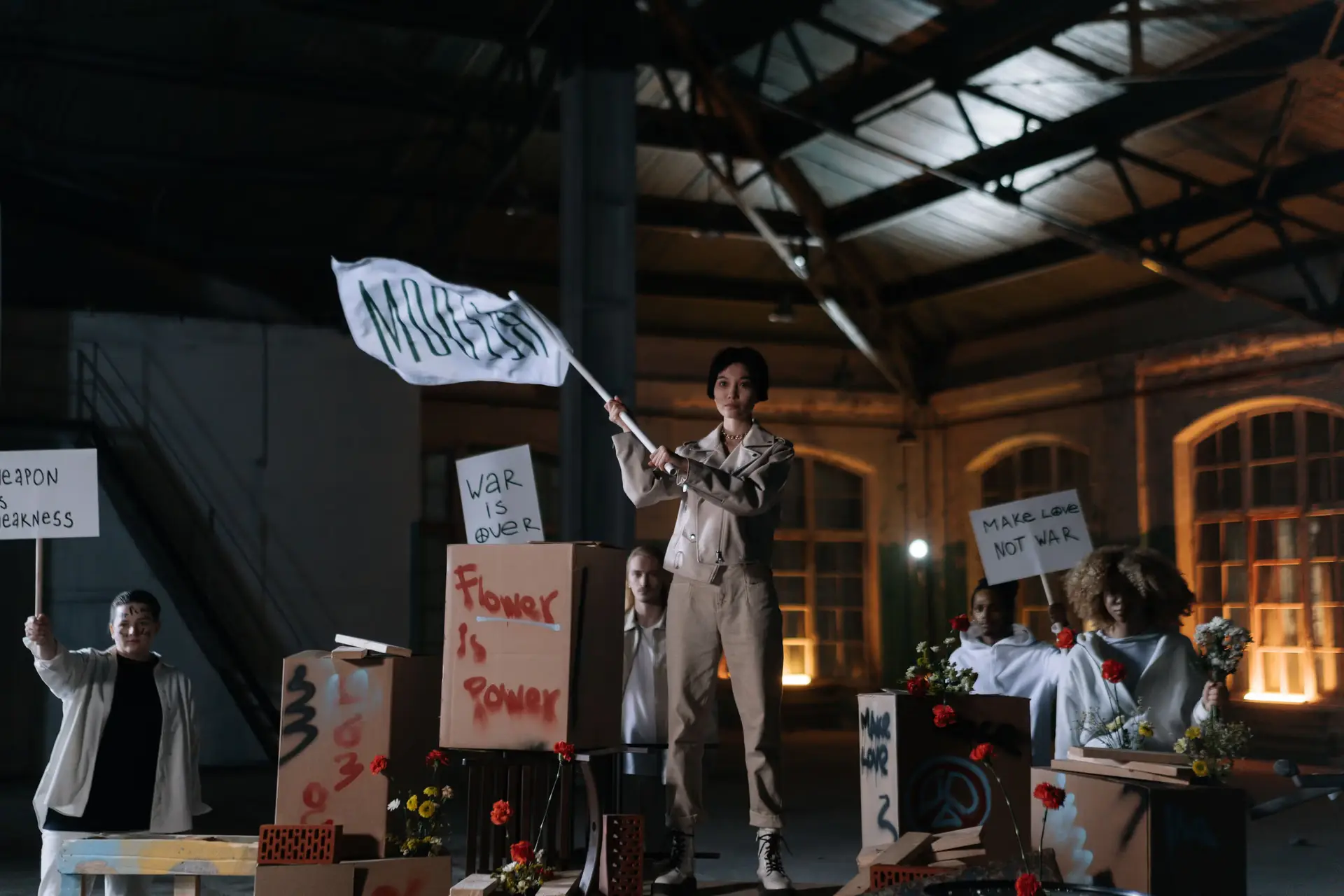
Yet beneath the tactical boots on Lombardian cobblestones lies a more embarrassing reality for Rome. The force driving this sudden security crisis is not an organised ideological vanguard, but a loose collective dubbed the October 17 Movement alongside student groups, antiwar coalitions, and grassroots unions. More strikingly, the front line of this civil defiance consists largely of teenagers recruited via social media algorithms.
Out of 271 individuals arrested during last week's violent clashes in Milan, an astonishing 220 were under the age of eighteen. Public prosecutors point the finger at Telegram channels and TikTok videos that lured impressionable minors into chaotic gatherings with promises of easily stolen goods. One young participant admitted he had no idea what the protest was actually about, having simply followed a friend after seeing a call to action on his feed.
The state’s reaction to this youthful lawlessness has been predictably heavy-handed. Authorities located and questioned the administrator of the movement's Instagram account—a 30-year-old Italian-Moroccan freelance journalist now under investigation for inciting crime. Meanwhile, Justice Minister Carlo Nordio offered a characteristically bureaucratic solution to the spike in juvenile delinquency, publicly stating there was a need to expand the capacity of our youth detention facilities. Building more cell blocks for teenagers lured into property crime by smartphone apps seems a remarkably grim admission of domestic educational and institutional drift.
While Milan prepares for marchers with undisclosed meeting points, the unrest is far from isolated to the wealthy North. Earlier in the week, truck drivers in the poorer southern regions erected roadblocks to protest soaring fuel costs, effectively cutting off market supplies for days. The government managed to dismantle the blockades only by rushing out emergency tax breaks and dedicated relief funds for farmers and transport operators.
Italy remains caught between the economic friction of its impoverished South and the hyper-networked alienation of its northern youth. Relying on army patrols to manage social media mobs and subsidising fuel to quiet southern truckers may buy short-term quiet, but it highlights how fragile the underlying structure really is.
Written by Christiane Hofreiter christiane.hofreiter@alpineweekly.com