Oct 30, 7:01 AM
The UN’s Moral Blind Spot in Abu Dhabi
Lana Nusseibeh’s bid for Secretary-General exposes the cynical mechanics of multilateral diplomacy.
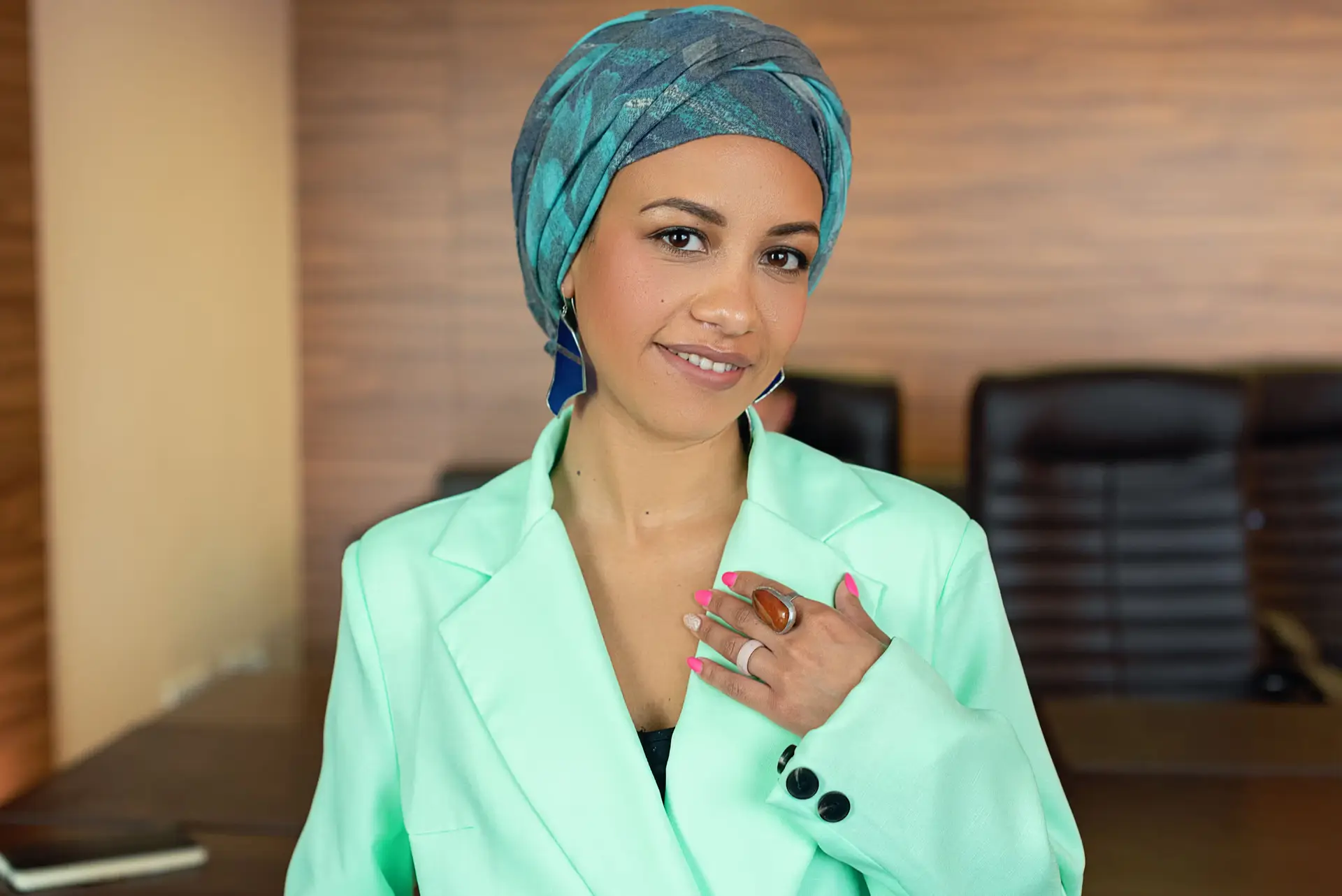
The selection of a United Nations Secretary-General has rarely been mistaken for a triumph of moral clarity. Yet even by the compromised standards of East River diplomacy, the latest maneuver from Abu Dhabi raises eyebrows. The United Arab Emirates has formally put forward Lana Nusseibeh to succeed António Guterres when his second term expires at the end of the year.
The ambition is bold, but the timing is purely tactical. Nusseibeh, who served as the UAE’s permanent representative to the UN until 2024, enters a race that has stalled inside the Security Council. Former Costa Rican Vice-President Rebeca Grynspan had held a narrow lead in informal straw polls, only to be stymied alongside other candidates by opposing votes from permanent members. Into this deadlock steps an experienced diplomat whose chief political qualification appears to be her government's willingness to test how far global multilateralism can be stretched.
The main obstacle is not a lack of diplomatic polish, but a trail of inconvenient facts in North Africa. Human rights monitors and international observers have documented substantial UAE support for Sudan's paramilitary Rapid Support Forces. The RSF has waged a brutal campaign against the Sudanese army, marked by an attack on the city of El Fasher in October 2025 that UN officials noted contained clear indications of genocide. Throughout her tenure, Nusseibeh was tasked with delivering blanket denials regarding her government's role in arming the paramilitary force.
To Sudanese activists and international civil society groups, the prospect of her appointment represents something far more troubling than routine geopolitical maneuvering. Activists from organizations such as Human Rights Watch and Avaaz have warned that elevating a chief defender of a state implicated in Sudan's proxy conflict would dismantle whatever remaining credibility the world body holds among victims of international crimes.
Nusseibeh has attempted to neutralize these objections. In a statement, she asserted that the horrific conflict in Sudan will be the litmus test of the success of an incoming secretary general, adding that she has taken a leave of absence from her ministerial duties to uphold the required independence and would support UN fact-finding missions.
Securing the position requires nine affirmative votes and the absence of a veto from the five permanent council members. As diplomats in Washington, Beijing, and European capitals weigh their options ahead of the next straw poll, the candidate faces an uphill battle to persuade critics that a career spent defending state interests can seamlessly transform into neutral global leadership.
Written by Martina Kirchner martina.kirchner@alpineweekly.com