Oct 30, 7:02 AM
The Irony of Political Momentum
Washington’s ruling party learns that promises of cheap energy and diplomatic restraint carry an inconvenient expiration date.
American voters possess an endless appetite for political novelty, right up until the moment reality levies its tax. Two years ago, Donald Trump and the Republican Party swept into power by promising lower prices and a swift exit from foreign entanglements. Now, with all 435 House seats and 35 Senate seats on the ballot next Tuesday, the very demand for change that created the current 219-214 House and 53-47 Senate majorities threatens to dismantle them.
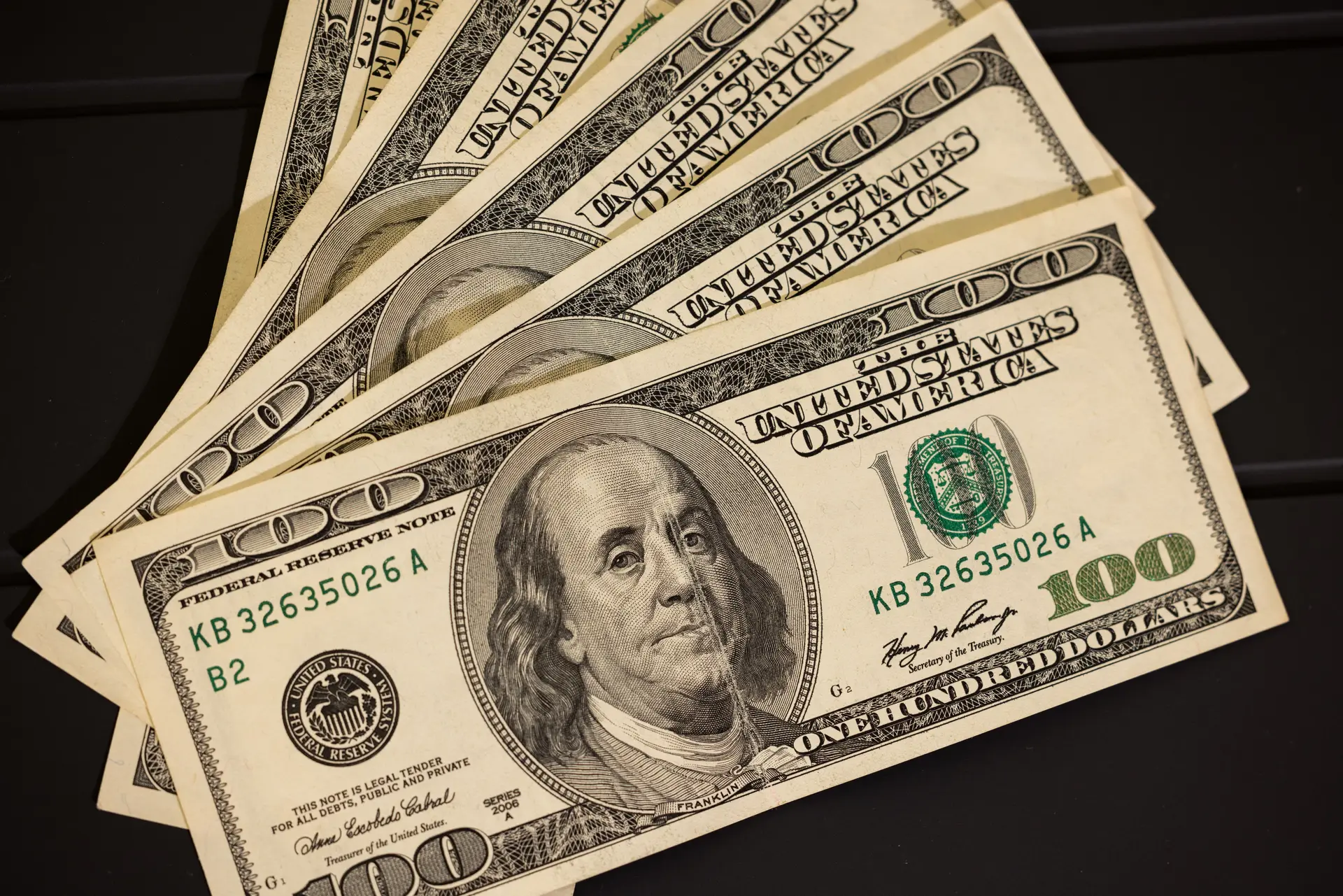
The economic arithmetic is straightforward. Inflation has climbed to 3.7 percent this September, up from 2.7 percent in November 2024. Fuel costs have led the surge, with regular gasoline averaging $4.25 a gallon and diesel reaching $6.35. A dismal 34 percent of voters approve of the administration's economic stewardship, according to recent CNBC survey data, while 65 percent express disapproval. Eight out of ten Americans now rate the economic landscape as fair or poor. Even in the heartland, disaffection is growing. A 90-day pause on beef tariffs allowed cheaper Brazilian imports, depressing domestic cattle auction prices, while farm bankruptcies rose 46 percent this year, according to the Nebraska Farmers Union.
Foreign policy has compounded the domestic damage. Having campaigned relentlessly on avoiding foreign conflicts, the administration launched strikes alongside Israel against Iran in February. Nearly eight months later, public opposition has hardened. Over 60 percent of respondents in a September survey by Fox News called the intervention the wrong decision. Combined with the continuation of Russia's war on Ukraine—where recent developments consist of a local humanitarian ceasefire in the town of Oleshky—the image of diplomatic mastery has strained under practical constraints.
This disaffection has fractured the ruling coalition from within. Figures like Tucker Carlson and Joe Rogan have voiced regret or skepticism over the military campaign in Iran, while former allies like Representative Marjorie Taylor Greene broke ranks over affordability and foreign intervention before resigning. Rather than consolidating ranks, primary challenges pushed by the White House ousted seasoned conservatives. In Kentucky, Representative Thomas Massie lost his primary after a $32 million advertising blitz, while in Texas, conservative Senator John Cornyn lost his runoff to Attorney General Ken Paxton. That Texas seat, safely Republican for over three decades, now sees Democratic challenger James Talarico leading Paxton 48 percent to 46 percent in recent Emerson polling.
The financial map confirms the political anxiety. The main Republican Senate super PAC, the Senate Leadership Fund, has directed roughly $180 million since September into once-secure strongholds like Texas, Kansas, and Nebraska—states won by double digits in 2024. Meanwhile, funding has been scaled back in North Carolina and Georgia. Market indicators reflect this defensive posture: prediction markets on Polymarket now give Democrats a 92 percent chance of reclaiming the House and a 67 percent chance of taking the Senate. Should those projections hold, Washington faces two years of legislative gridlock, congressional investigations, and potential impeachment proceedings.
Written by Sandy van Dongen sandy.vandongen@alpineweekly.com