
Oct 31, 1:01 PM
The Trillion-Dollar Delusion in the Gulf
High-end American weapons and military bases have failed to deliver real security against cheap Iranian air power.
Buying a trillion dollars worth of military hardware usually brings a sense of security. For the Gulf monarchies, however, the return on investment has turned out to be remarkably poor. A study by the International Institute for Strategic Studies exposes a grim reality: lavish spending on top-tier American defense systems failed to protect critical infrastructure when the missiles actually started flying.
During the air campaign leading up to the April 8 ceasefire, twelve regional nations absorbed a barrage of 4,670 Iranian attack drones and over 1,400 ballistic missiles. Nearly half of this ordnance was aimed directly at the United Arab Emirates, temporarily halting flights at Dubai’s international airport and inflicting an estimated $58 billion in damage on energy infrastructure. Repelling cheap, mass-produced drones with exquisite, multi-million-dollar interceptors proved to be an exercise in ruinous economic asymmetry.
The military deficit goes well beyond raw procurement numbers. Gulf armed forces remain structurally unprepared for prolonged attritional warfare. Decades of high-end acquisitions yielded an overwhelming reliance on American technology without fostering basic regional defense integration, adequate minesweeping capabilities, or realistic options for military retaliation.
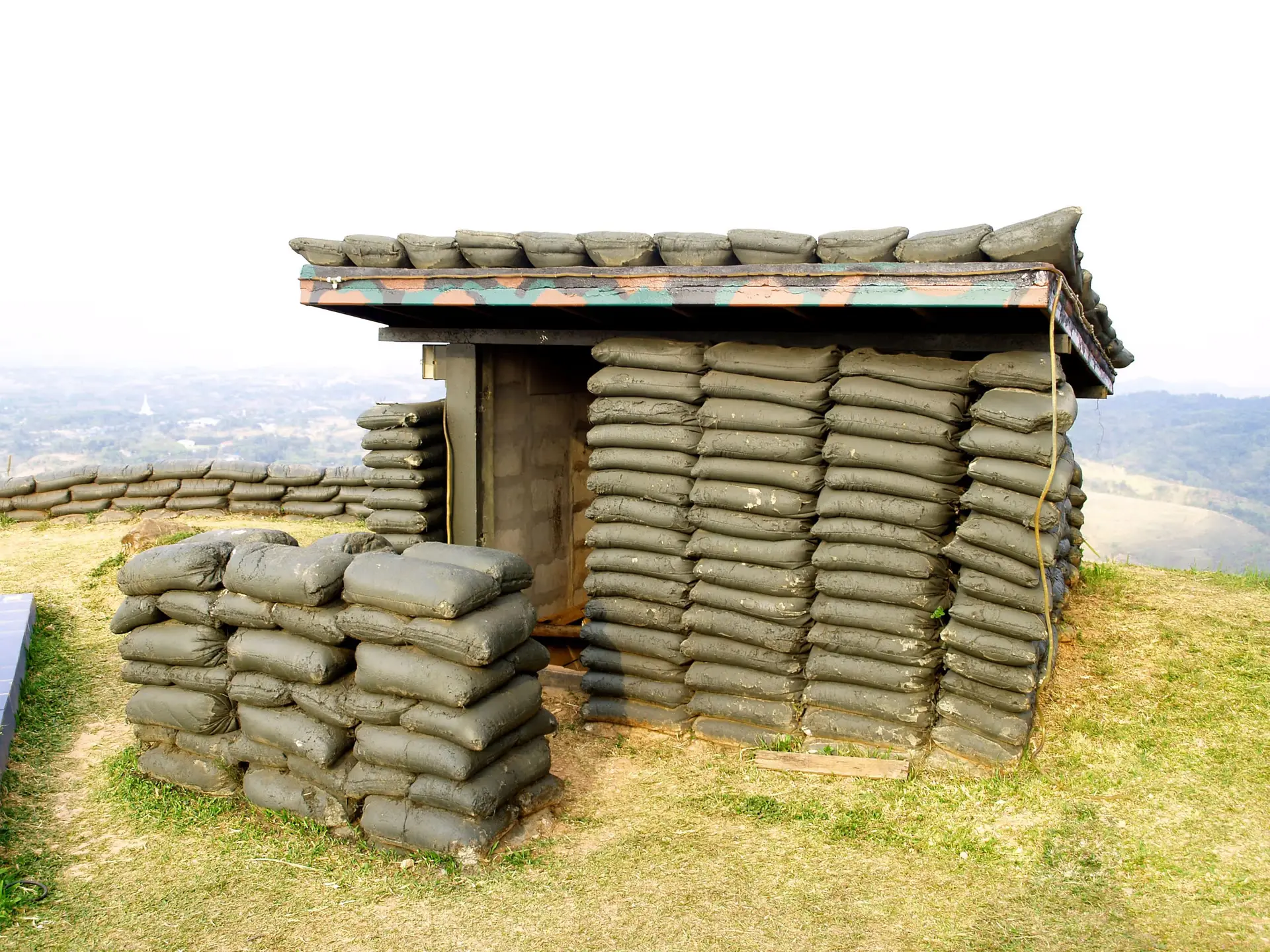
To make matters worse, foreign military bases are increasingly viewed not as a shield, but as a strategic liability. American facilities provide Tehran with a convenient pretext for strikes against host nations. Should Washington decide to scale back its footprint, Iran will undoubtedly frame the retreat as a vindication of its own resilience, leaving Gulf rulers embarrassed by their long-standing courtship of foreign protection.
That retreat may come sooner than regional capitals would like. Inside Washington, lawmakers are openly questioning the rationale of maintaining vulnerable forward outposts. Democratic Senator Chris Murphy pointedly asked what good it does to maintain regional bases to protect American interests if those facilities are wiped off the map within twenty-four hours of a hot war. Rebuilding installations that face immediate destruction, Murphy argued, would constitute criminal incompetence toward American taxpayers, suggesting a smaller footprint or a shift toward the eastern Mediterranean.
The math behind the trillion-dollar defense model no longer adds up. High-end systems cannot sustain a low-cost drone war, and foreign bases offer more exposure than deterrence. Gulf capitals are left holding very expensive receipts for security that failed when it mattered most.
Written by Christiane Hofreiter christiane.hofreiter@alpineweekly.com