Sep 8, 6:01 AM
The Prosecutor, the Scams, and the Limits of Reform in Kyiv
A corruption scandal touching the chief prosecutor exposes the friction between EU accession requirements and political reality.
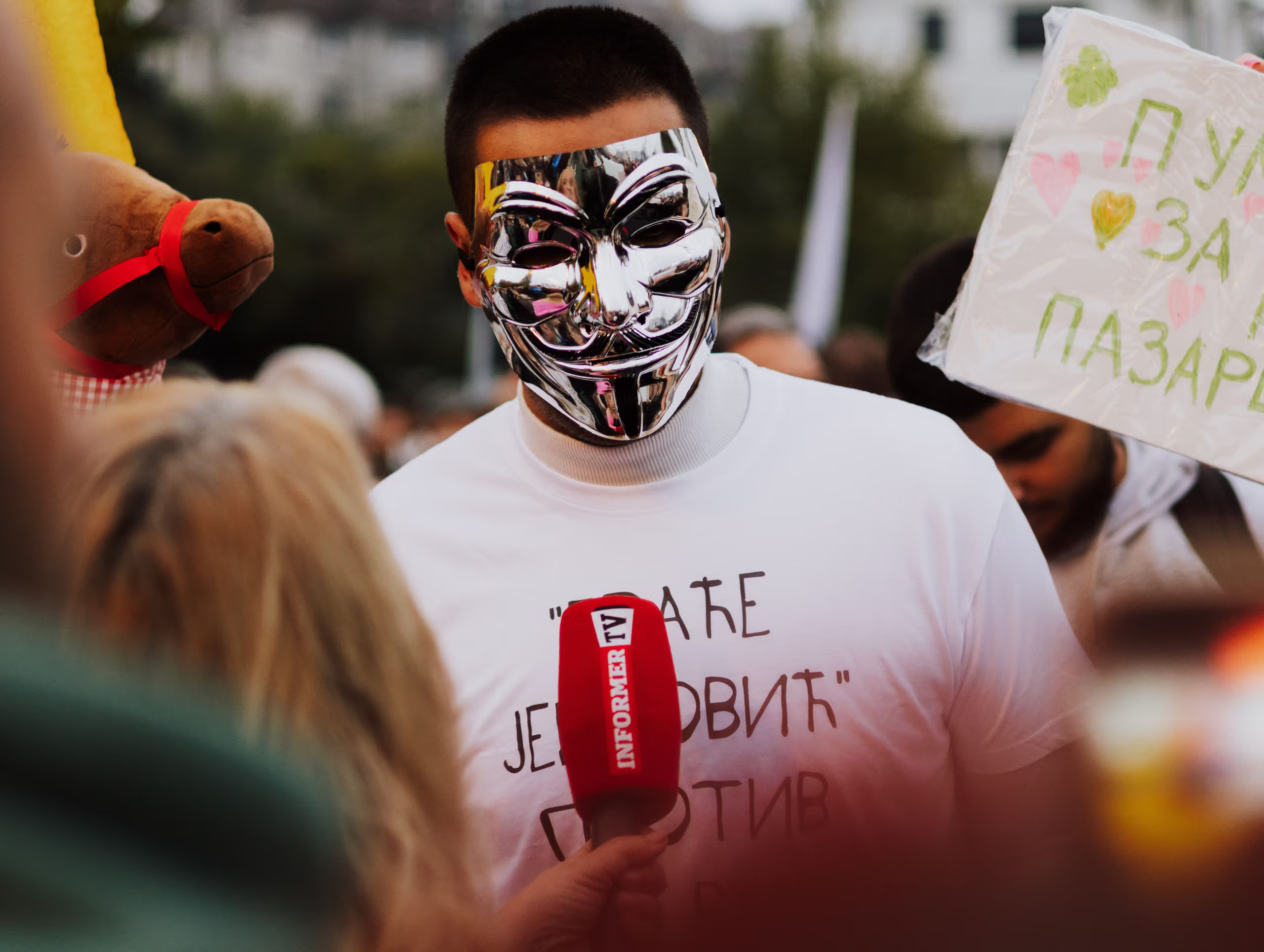
When the legal apparatus designed to enforce the rule of law becomes embroiled in protecting boiler-room phone scams, political damage control becomes inevitable. Ruslan Kravchenko, Ukraine’s chief prosecutor, tendered his resignation following a raid on his offices by anti-corruption investigators. While denying any wrongdoing and dismissing the claims as unfounded, Kravchenko stated that remaining in his post risked turning his position into a tool for political confrontation.
The case brought forward by the National Anti-Corruption Bureau (Nabu) and the Specialised Anti-Corruption Prosecutor's Office (Sap) paints a brazen picture. According to investigators, an official within Kravchenko’s office ran a protection scheme for illegal call centres executing phone scams. In exchange for shielding these operations, the network allegedly laundered millions into real estate, jewellery, and other luxury assets. Kravchenko subsequently expressed gratitude to President Volodymyr Zelensky and parliament for their prior trust, though Zelensky himself has not yet issued a public statement.
This episode is hardly an isolated glitch. Only last month, Nabu uncovered an attempt to misappropriate over three million dollars in local currency to post bail for a former energy minister accused of money laundering, leading to the dismissal of a senior official in the presidential office. Former Defence Minister Mykhailo Fedorov publicly noted that the president must answer for his awareness regarding potential corruption among his close team, while emphasizing that he observed no unlawful tasks assigned by Zelensky during his own tenure.
For Brussels, the ongoing turbulence highlights the standard paradox of European accession policy. Ukraine received candidate status conditional on building robust anti-corruption structures, yet political friction over these agencies remains constant. In 2025, executive attempts to curb the independence of Nabu and Sap sparked public protests and drew warnings from G7 ambassadors about endangering EU integration. Though those measures were reversed, the conflict between political power and independent oversight persists.
The European Union’s reliance on administrative milestones often obscures the resilience of shadow networks within state institutions. Creating independent anti-corruption bodies over a decade ago established the formal architecture, but enforcement ultimately depends on political will. As prosecutors are investigated by the very bodies built to monitor them, questions remain about how effectively paper reforms can dismantle entrenched practices.
Written by Freya Stensrud freya.stensrud@alpineweekly.com