
Oct 29, 11:02 AM
The Leaky Vault of Homeland Security
A massive data breach exposes tens of thousands of US agents, proving that high-tech surveillance is no substitute for basic digital hygiene.
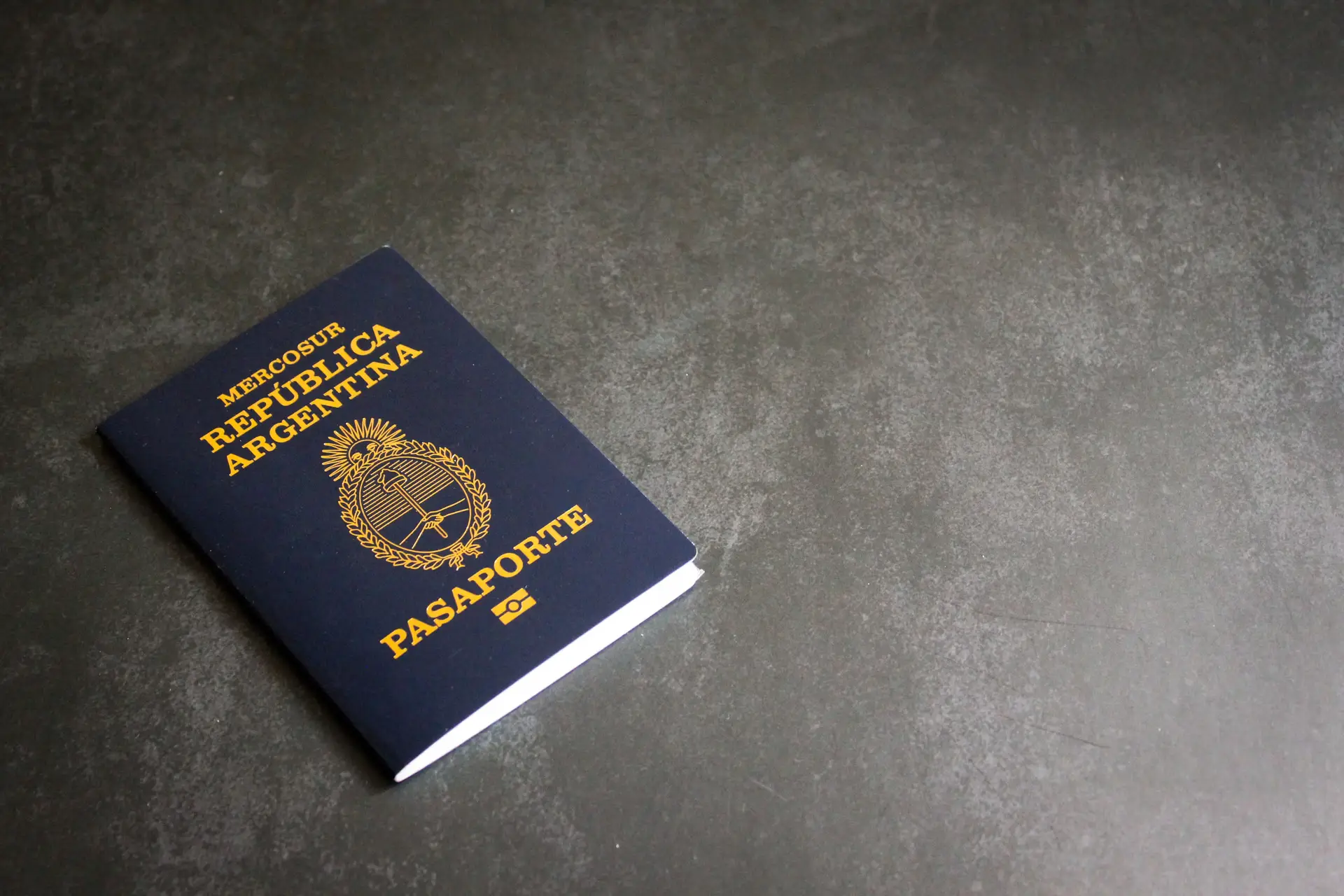
When an enterprise tasked with national defense cannot secure its own digital backyard, the public is entitled to ask what all the public funding is actually accomplishing. A hacktivist group calling itself the Department of Peace, working in tandem with the leak distribution site DDoSecrets, recently published the personal details of over 27,000 Department of Homeland Security personnel online.
The compromised files strike at the very administrative core of American border enforcement. Over 21,000 of the exposed records belong to Customs and Border Protection officers, while nearly 6,600 cover personnel within Immigration and Customs Enforcement. The leak extended well beyond field agents, sweeping up staff from Homeland Security Investigations, the Federal Protective Service, and, in a sharp stroke of irony, the Cybersecurity and Infrastructure Security Agency itself.
Rather than simple staff rolls, the leak lays open the technical mechanics of federal enforcement. The released material contains dozens of previously secret operation names, complete with the names of leading agents and details on their specialized toolkits. Among the vendor products identified in the breach are systems from data-mining firm Palantir and digital forensics contractor Cellebrite, laying bare the private-sector machinery underpinning government rendition, surveillance, and deportation programs.
The perpetrators presented their intrusion as a righteous response to political posturing. A spokesperson for the Department of Peace explicitly cited a comment from July 17th by Markwayne Mullin, who had boasted about turning up the heat on enforcement actions, suggesting the hack was a direct counter-response targeting ICE. Meanwhile, DDoSecrets co-founder Emma Best characterized the release as an effort to substitute anonymity with accountability, claiming the data highlights those directing covert missions and hunting government leakers. DDoSecrets previously gained prominence after publishing the massive BlueLeaks police database in 2020.
High-minded activist rhetoric about public accountability cannot mask the core failure on display. The incident exposes a sprawling bureaucratic apparatus that spends lavishly on sophisticated commercial surveillance tech, yet remains incapable of maintaining basic operational security for its own personnel.
Written by Thomas Nussbaumer thomas.nussbaumer@alpineweekly.com