Oct 29, 1:01 PM
Imperial Vanity and Unrequited Love: The Doomed Voyage of La Pérouse
Newly discovered letters reveal that state-sponsored glory in the Pacific was fueled by personal desperation.
When Louis XVI prepared to mount the scaffold in January 1793, his final thoughts reportedly turned not to his shattered state or the impending guillotine, but to a missing naval fleet. His inquiry regarding the fate of Jean-François de Galaup, Count of Pérouse, demonstrated the monarchy's obsession with geopolitical prestige. Dispatched in 1785 to challenge British Pacific hegemony, the expedition vanished, leaving behind a costly silence and a king asking useless questions at the end of his reign.
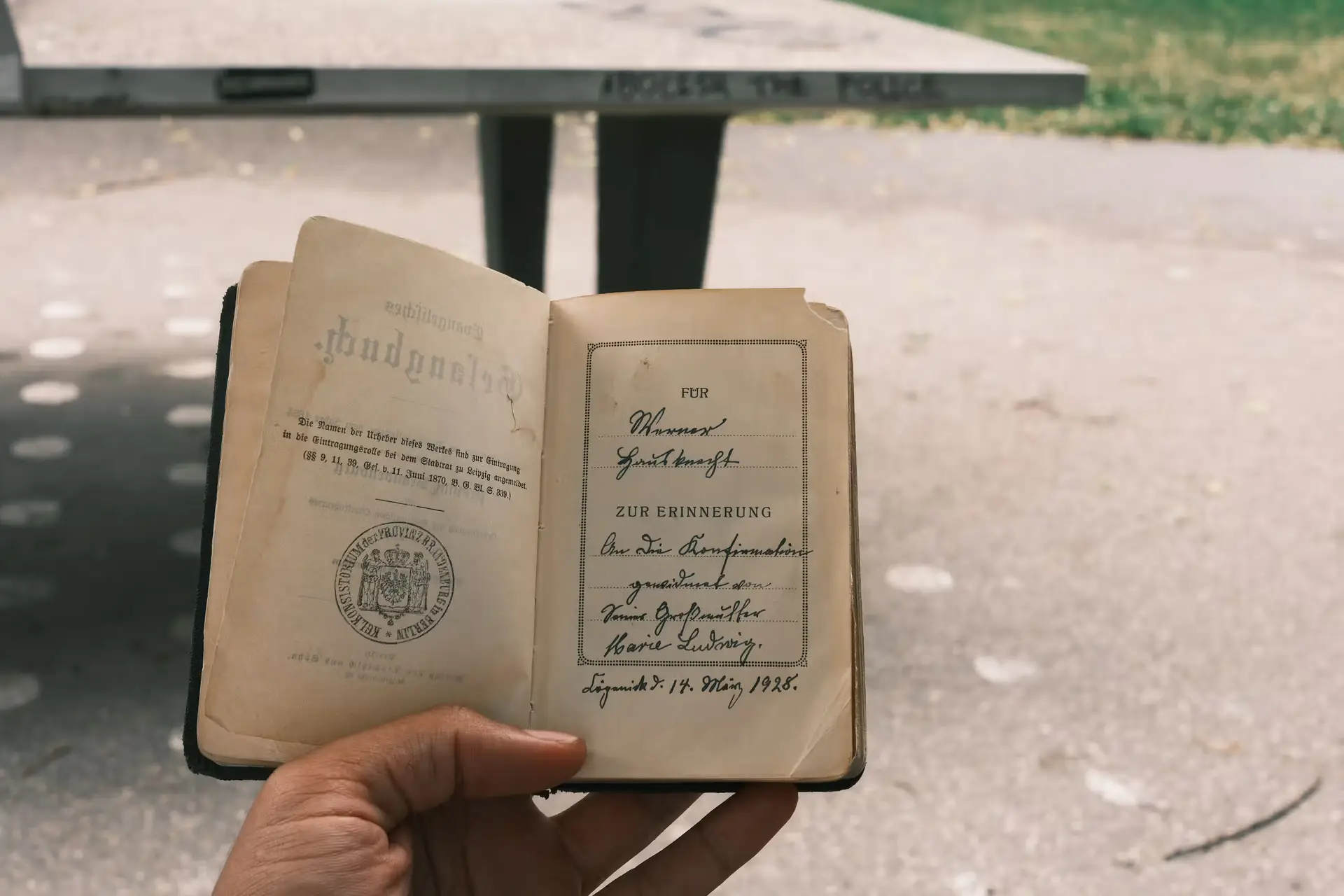
An archival discovery in Paris provides a stark contrast to Versailles' expensive ambitions. Ahead of a sale at the Hôtel Drouot, an inspection of an unremarkable nineteenth-century volume of engravings uncovered a hidden cache of personal correspondence. Written by Jean-André Mongez, an eminent scientist and church canon who perished on the voyage, the letters were addressed to Louise Victoire Le Cloustier, the married daughter of a Norman noble family. Estimated at €30,000 to €50,000 by the auction house Daguerre, the documents demonstrate that while the crown was chasing global stature, its pioneers were often driven by personal retreat.
The expedition had been conceived as a bureaucratic response to Captain James Cook’s discoveries, aimed at securing trade routes and monitoring British plans for Botany Bay. Sailing from Brest in August 1785 with 225 men aboard La Boussole and L'Astrolabe, La Pérouse spent nearly three years charting the Pacific. The project fell short of its strategic goals. Reaching Australia in March 1788, the French arrived six days after Captain Arthur Phillip and the British First Fleet had already planted their flag. Months later, both French frigates sank along the coral reefs of Vanikoro during a tornado.
Mongez’s letters pull the curtain back on the romanticized era of scientific discovery. Despite holding a prestigious position as director of a major science revue, he chose to join the voyage not from pure intellectual passion, but to escape the fallout of his conduct toward Le Cloustier. His missives recount the harsh realities of shipboard life, the violent loss of crew members in Samoa, and a growing regret over exchanging comfort for negligible scientific gains. He repeatedly expressed a desire to return home a transformed man.
Le Cloustier kept the letters hidden until her death in 1821, leaving them silent witness to a failed enterprise. The wreckage of the ships was only confirmed in 2005. The long-lost correspondence illustrates how grand government projects, marketed as noble pursuit, are frequently constructed on the private miseries of the individuals forced to execute them.
Written by Christiane Hofreiter christiane.hofreiter@alpineweekly.com