Nov 25, 7:01 AM
The Gambia Prepares for Presidential Election Amid Economic and Reform Challenges
Eight candidates are contesting the December 5 vote as citizens weigh economic hardship and delayed transitional justice
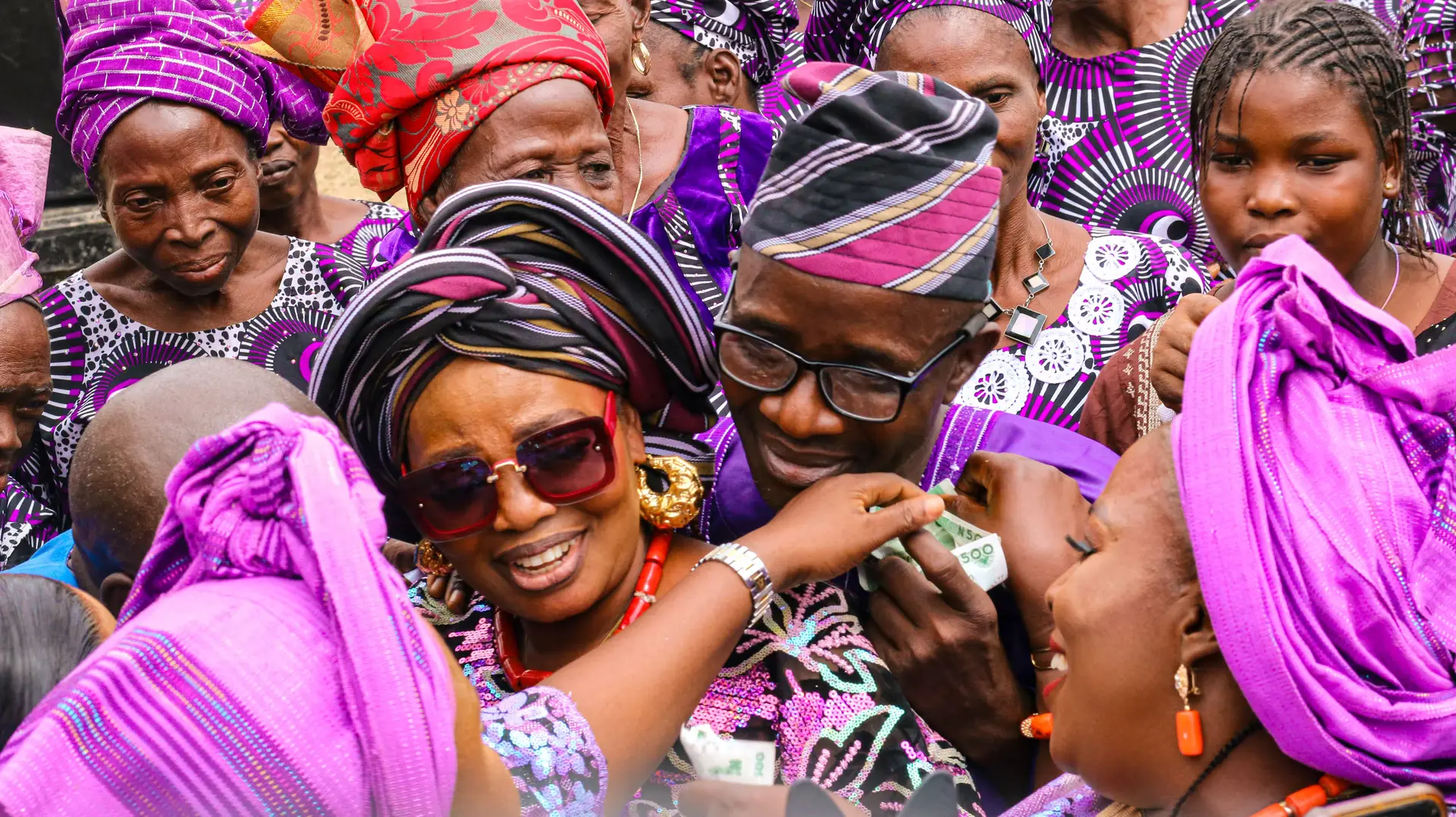
The Gambia will hold its presidential election on December 5, with incumbent President Adama Barrow competing against seven other candidates for the country's top office. The vote comes amid persistent economic difficulties, including elevated youth unemployment, rising living costs, and unfinished political and judicial reforms following the end of former ruler Yahya Jammeh's 22-year reign.
The Independent Electoral Commission has approved eight candidates for the ballot. Main opposition challenger Ousainou Darboe of the United Democratic Party has pledged to introduce a new constitution imposing a two-term presidential limit within his first 100 days if elected. Barrow, who took office in 2017, has stated that he will also revisit constitutional reform if re-elected, following the failure of a 2020 draft bill in the National Assembly.
Economic conditions form a primary focus of campaign discussions across the West African nation. The 2025 Gambia Labour Force Survey reported national unemployment at 8.3 percent, up from 7.6 percent in the previous survey period, with youth unemployment reaching 11.5 percent. Figures from the Gambia Bureau of Statistics indicate that 53.4 percent of the population lived below the national poverty line, with rural poverty rates reaching 76 percent compared to 34 percent in urban areas. Small business owners in Banjul have reported frequent power supply interruptions, with outages extending up to 19 hours during peak months.
Economic hardship has sustained steady rates of outward migration. UN Special Rapporteur Morris Tidball-Binz cited independent reports during an October 2026 mission indicating that 1,603 Gambians died attempting irregular migration in 2024, followed by 893 deaths in 2025. Additionally, figures from the International Organization for Migration document at least 408 Gambians missing on migration routes since 2014.
Progress on transitional justice also remains a central point of debate. Kebba Jome, national coordinator at the Gambia Centre for Victims of Human Rights Violations, stated that fewer than 25 percent of the 263 recommendations issued by the Truth, Reconciliation and Reparations Commission have been fully implemented. A special tribunal established to prosecute alleged human rights violations from the Jammeh era is scheduled to begin hearings early next year.
Written by Sandy van Dongen sandy.vandongen@alpineweekly.com