Nov 25, 7:01 AM
German Gas Reserves Fall to 55 Percent Capacity Amid Cold Spell
Accelerated withdrawals in November put national gas storage levels at record lows ahead of winter.
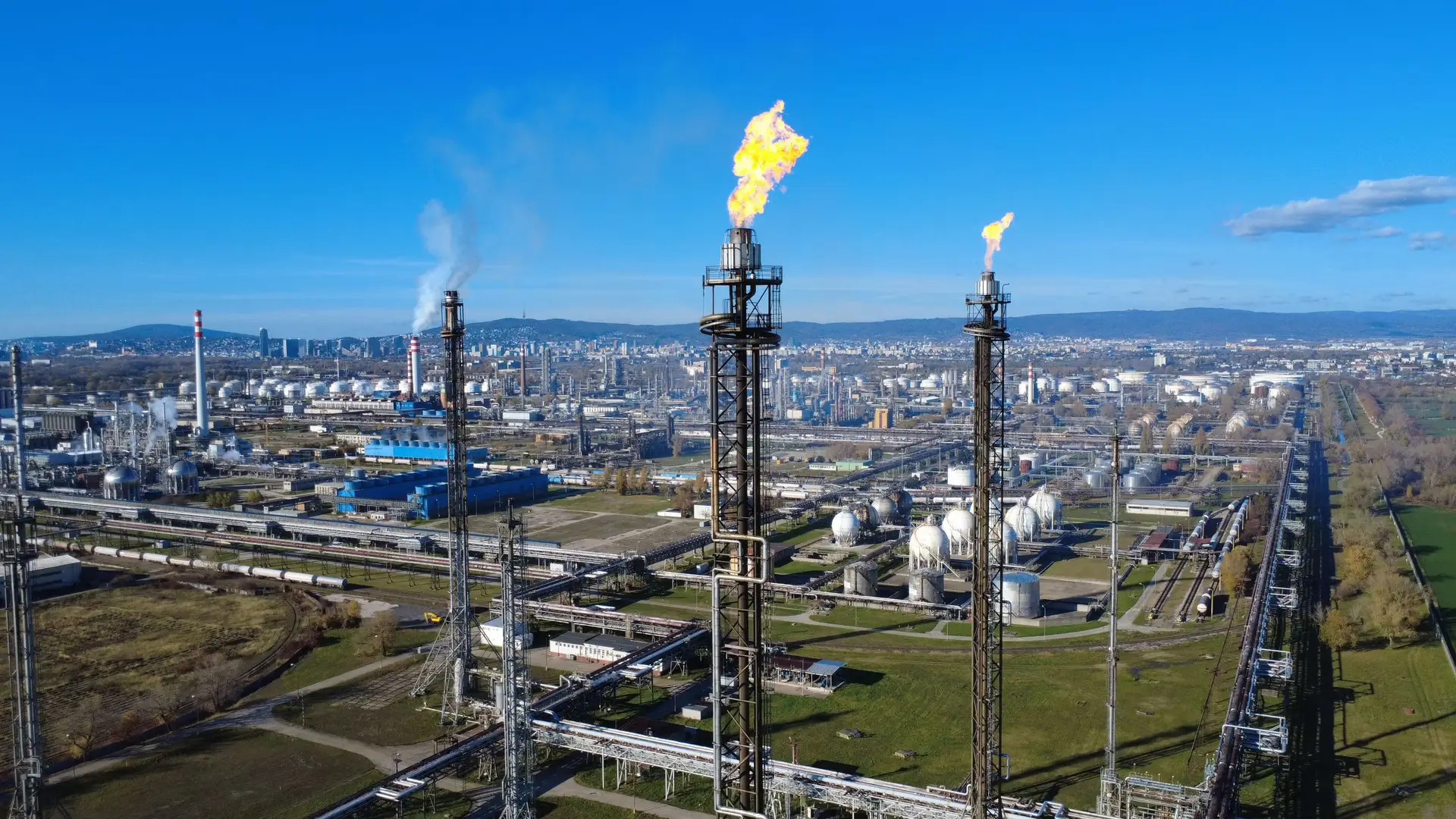
Germany's natural gas storage facilities have dropped to 55 percent of total capacity following an increase in heating demand and lower autumn temperatures, according to figures released by the industry association Initiative Energien Speichern (INES). Net withdrawals from storage have reached 16 terawatt-hours (TWh) since peak levels were recorded on October 27, representing more than ten percent of the nation's winter reserves.
The decline in storage levels coincides with a cold spell across the country. Gas consumption reached 24.5 TWh during the second week of November, representing a 29 percent increase compared to the same period in the previous year. Average temperatures during that week fell to 4.2 degrees Celsius, down from 8.2 degrees a year earlier. On a single day in late November, net withdrawals from the grid exceeded 1.4 TWh.
Projections by INES suggest that under normal weather conditions, storage levels would decline to approximately 28 percent by early April. In an extreme cold scenario comparable to temperatures recorded in 2010, storage models indicate potential supply shortfalls between January and March if demand does not respond to rising prices. In such an event, the Federal Network Agency holds statutory authority to mandate industrial load shedding to safeguard gas supplies for private households.
Import figures indicate a shift in supply routes into the German gas grid. Direct deliveries through domestic liquefied natural gas (LNG) terminals reached 7.33 TWh between November 1 and November 23, marking an 11 percent drop compared to the same period last year, while pipeline transfers from Benelux countries fell by 5.4 TWh. Pipeline imports from Norway rose by over ten percent to 33.57 TWh during those 23 days, accounting for nearly half of Germany's total gas imports. German distributor VNG recently secured a long-term supply agreement with Norwegian producer Equinor to supply up to 15.3 TWh annually from 2027 through 2044.
To address current reserve deficits, Economic and Energy Minister Katherina Reiche issued a directive on September 30 instructing state-owned trader SEFE to store an additional eight TWh of gas by mid-December. The measure is designed to cover approximately one-third of the current storage shortfall relative to seasonal targets. Looking further ahead, the federal government is planning the implementation of a national strategic gas reserve starting in the 2027/28 winter season.
Written by Andreas Hofer andreas.hofer@alpineweekly.com