Oct 30, 9:02 PM
The Fear of Friction in the Land of Consensus
When 85 percent of citizens panic over political disagreement, it reveals more about Swiss comfort than democratic decay.
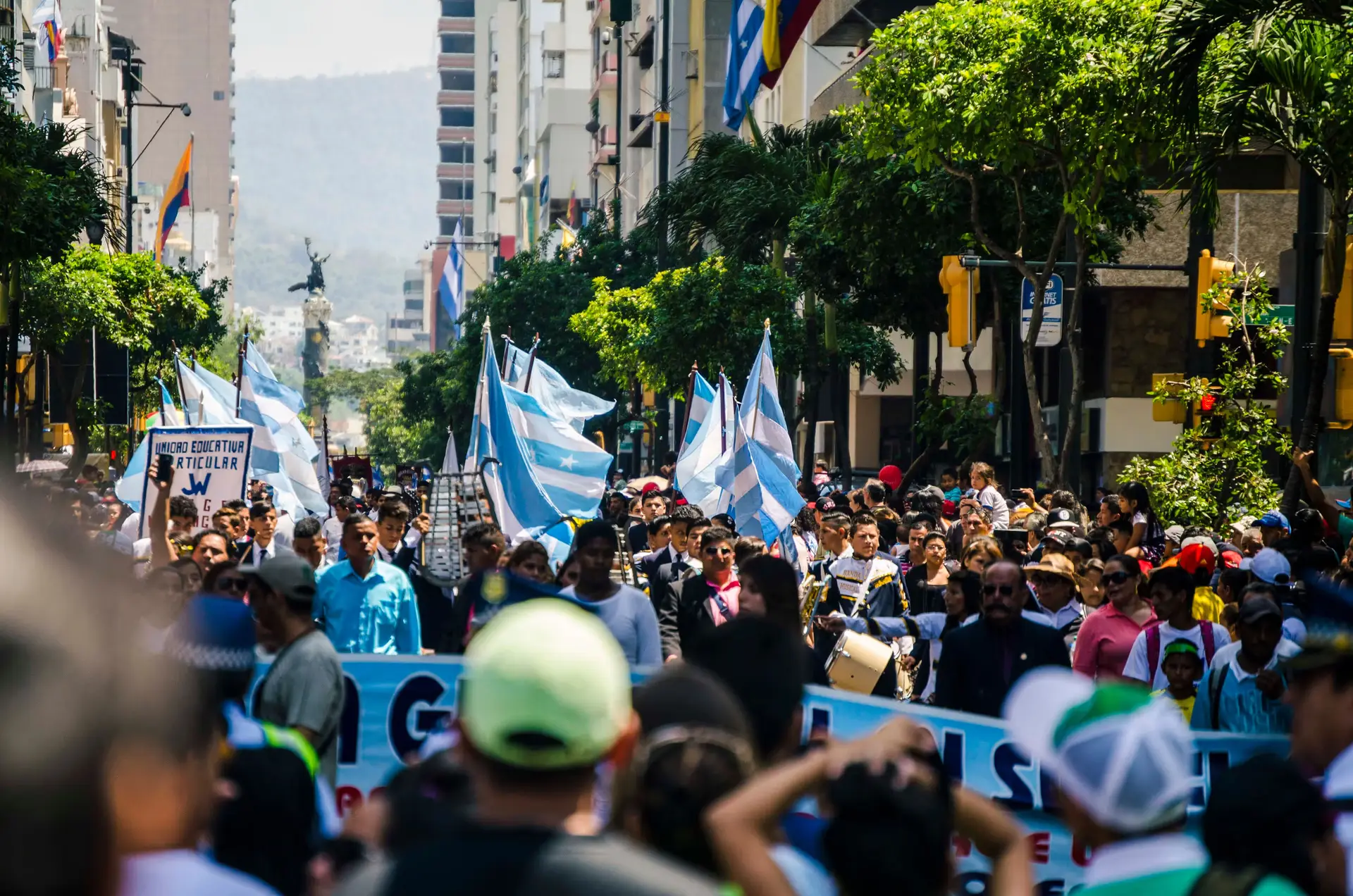
The Swiss have long enjoyed the luxury of political boredom. Nestled inside a prosperous economy and a stable constitutional system, the nation's political machinery relies on quiet consensus and predictable compromises. It is hardly surprising, then, that even a modest widening of ideological gaps causes immediate distress. According to a recent non-representative survey conducted within the online community of Swiss public broadcaster SRG, a striking 85 percent of participants view growing political polarization as one of the greatest risks facing modern society.
This collective anxiety follows broader trends indicated by the SRG political barometer, which shows political camps drifting further apart. Participants in the broadcaster's digital forum expressed deep concern that ideological entrenchment threatens the country's social cohesion. Many complained that citizens no longer listen to opposing viewpoints, warning that rigidity leads to political paralysis and growing public indifference. The friction between urban centres and rural regions was highlighted as a particular stress point, making the formation of traditional consensus governments increasingly cumbersome.
In typical fashion, the diagnosis of a problem was swiftly followed by calls for technocratic intervention. Some forum contributors singled out social media recommendation algorithms for creating ideological echo chambers, even suggesting legislative intervention. Their proposed remedies include state-mandated quotas for neutral or opposing content on digital platforms to force balanced exposure upon users. It is a curiously naive trust in state regulation: the notion that government intervention in information flows will magically restore civil harmony.
Yet this widespread panic over disagreement overlooks a fundamental principle of open societies. Political debate is not a design flaw of democracy; it is its primary engine. As a few isolated voices in the survey rightly noted, sharp differences of opinion naturally intensify during periods of global geopolitical tension and economic uncertainty. Vigorous dispute over ideas is entirely normal, provided it remains within the boundaries of the rule of law and free from physical violence.
If anything, heightened political friction forces citizens out of intellectual passivity, requiring individuals to seek out information and refine their arguments rather than relying on comfortable platitudes. Switzerland's political system remains remarkably resilient, supported by direct-democratic mechanisms. Worrying that political friction will destroy the state reflects an overly cautious mindset. A society that fears ideological debate so deeply that it yearns for algorithmic censorship is far more vulnerable than one that occasionally argues over its future.
Written by Thomas Nussbaumer thomas.nussbaumer@alpineweekly.com