Oct 19, 8:02 AM
The Cost of Entitlement: France Trapped Between Spiralling Debt and Street Chaos
A weekend of widespread destruction exposes the deep fiscal and political paralysis at the heart of the French state.
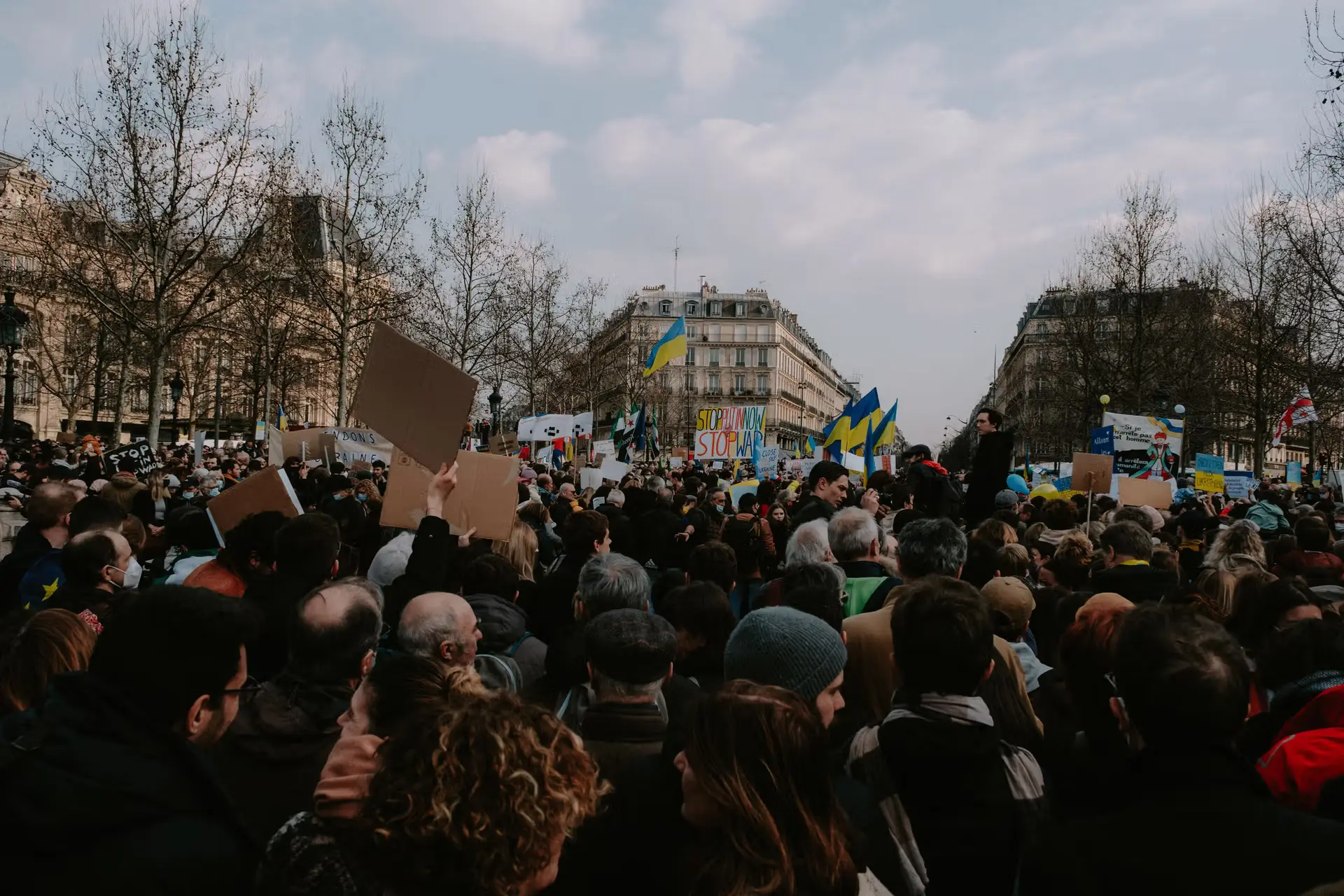
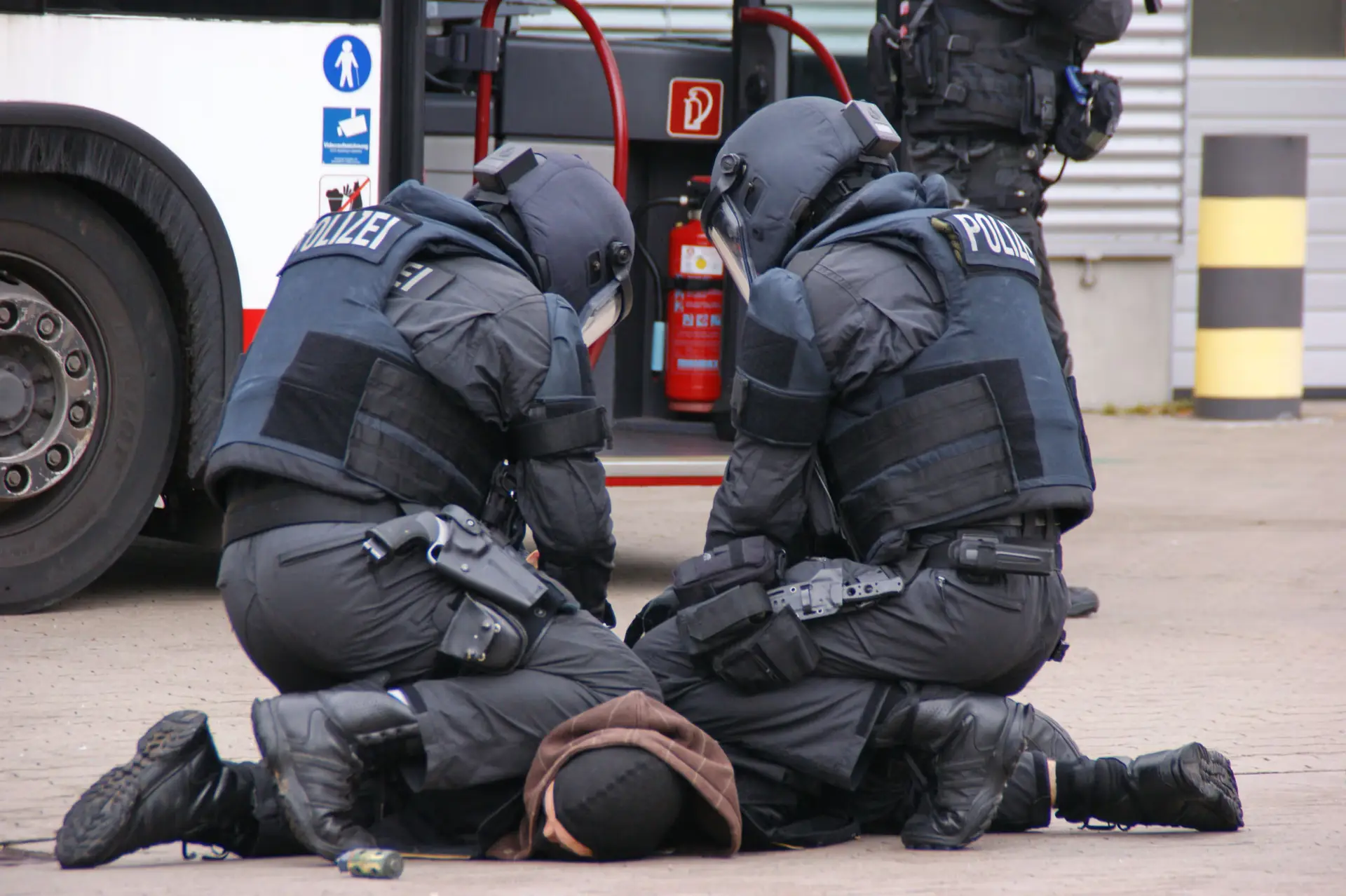
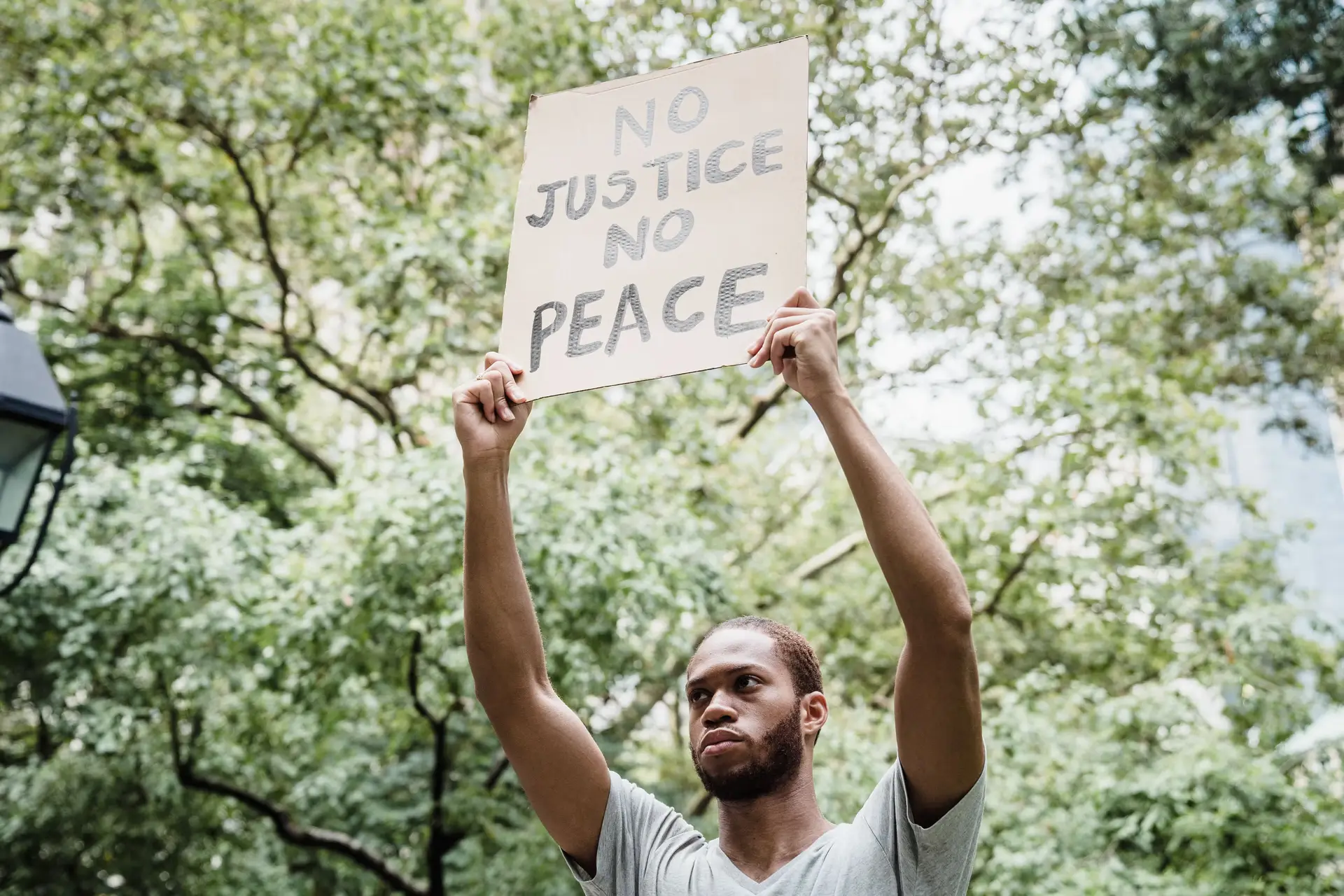
When a state attempts to maintain social peace through oversized public expenditure, it eventually runs out of fiscal headroom. France is once again confronting this reality. Over the weekend, half a million demonstrators poured into the streets demanding lower living costs and higher state spending, only for the gatherings to deteriorate into unrest. Masked vandals destroyed and looted approximately 1,500 businesses, leaving ruined storefronts across French cities while riot police deployed tear gas and water cannons. By Sunday, official reports confirmed that 1,000 police officers were injured in the unrest, seven of them critically.
In response, the political establishment performed its predictable rituals. Prime Minister Sébastien Lecornu summoned a crisis cabinet meeting on Monday, while President Emmanuel Macron delivered a televised address calling for national unity and promising that perpetrators would face punishment. The presidential speech satisfied few. Political opponents criticized the vague rhetoric, while CGT union chief Sophie Binet accused the executive of failing to address declining public services and student concerns. In parliament, lower house president Yaël Braun-Pivet announced plans for an inquiry to examine how security forces failed to prevent the devastation.
Underneath the smashed storefronts lies a structural financial crisis. International investors are applying relentless pressure on Paris to bring its spiralling public debt under control. Yet the government finds itself paralyzed. Any serious attempt to reduce expenditure or trim the state apparatus threatens to send thousands more angry citizens onto the pavement. It is the core dilemma of the French socio-economic model: a public sector that costs too much, struggles to deliver, and cannot be reformed without triggering street violence.
The political landscape offers no clear path forward. Parliament remains divided into three hostile, competing blocs, rendering structural reform nearly impossible. With the presidential election six months away, political figures are treating the violence as an campaign opportunity. Right-wing candidate Marine Le Pen described the administration as exhausted and disoriented, while hard-left leader Jean-Luc Mélenchon cited government incompetence. Rather than addressing underlying fiscal realities, the political class engages in mutual blame while Paris cleans up the debris.
A brief pause is expected as school holidays begin, but the respite will be temporary. A coalition of trade unions alongside the yellow jacket movement has already announced massive demonstrations for November 5. A government terrified of market pressure now faces a public convinced that government intervention can endlessly cushion economic reality.
Written by Thorben Thiede thorben.thiede@alpineweekly.com