Oct 31, 5:01 AM
The Billion-Dollar Waiting List
Washington approves a massive Patriot missile order for Ukraine, but European taxpayers will foot the bill for weapons that are years away from delivery.
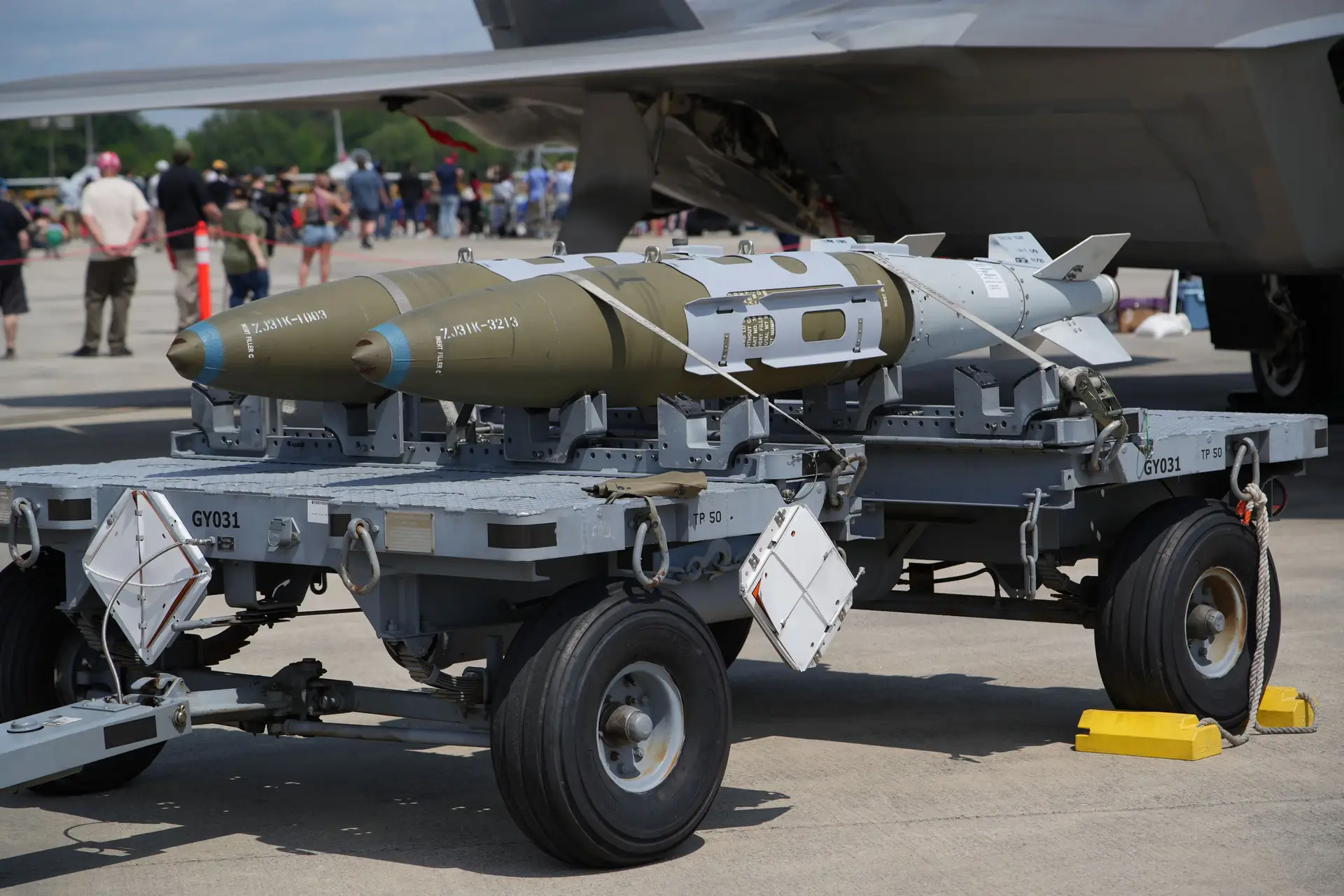
The financial machinery of Western diplomacy has produced yet another masterpiece of delayed gratification. Washington has given its green light to a $2.1 billion arms deal involving 500 Patriot PAC-3 interceptor missiles for Ukraine. It is a transaction where American defence contractors reap the rewards, European taxpayers shoulder the financial burden, and the recipient is left waiting for hardware that may not arrive until the current conflict has evolved beyond recognition.
Under the terms outlined by the US State Department, American manufacturer Lockheed Martin will produce the interceptors, but not a single US dollar will be drawn from American coffers. Instead, the purchase relies on a familiar financial carousel. Funding is provided by Canada, an economically strained Germany, and oil-dependent Norway through the JUMPSTART program, underwritten heavily by the European Union’s Ukraine Support Loan mechanism. The US State Department formally declared that this proposed sale will support the foreign policy and national security objectives of the United States by improving the security of a partner country that is a force for political and economic stability in Europe. In short: Brussels and its donors finance American strategic goals while expanding the order books of US arms manufacturers.
According to Ukrainian statements, local stocks of air defence munitions are running dangerously low following reported Russian strikes against energy infrastructure ahead of winter. Yet, as President Volodymyr Zelensky acknowledged, receiving these 500 interceptors could take several years. The US Department of Defence estimates total annual production of Patriot missiles at roughly 600 units worldwide. With existing US stockpiles already stretched by military operations in the Middle East, new builds face a long queue.
The timing of the approval comes after diplomatic friction between Washington and Kyiv, triggered by recent US efforts to ease sanctions on Russian diesel. Following talks in Oslo, diplomatic channels stabilized, leading to the transaction announced alongside high-level talks hosted by US Secretary of State Marco Rubio in Atlanta. But signing off on paper does little to alter industrial reality. The United States achieves its diplomatic aims at zero cost to its own treasury, while European institutions continue to fund orders that factory floors in America will struggle to deliver anytime soon.
Written by Andreas Hofer andreas.hofer@alpineweekly.com