Oct 28, 7:01 AM
The Activist's Return: Mahmoud Khalil, Columbia, and the Business of Campus Agitation
A formerly detained student leader returns to Morningside Heights, claiming credit for a political shift while facing ongoing deportation proceedings.
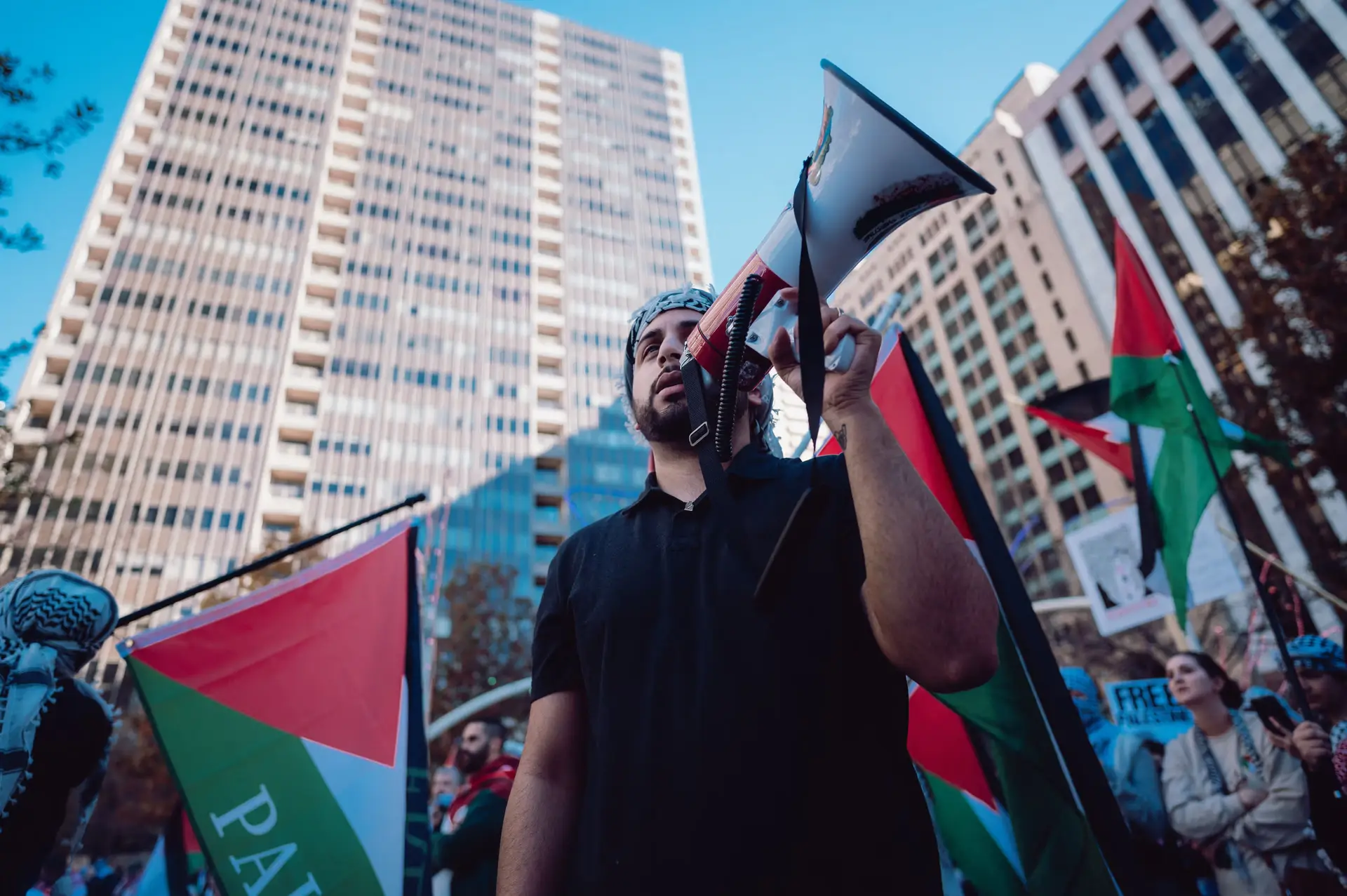
When Mahmoud Khalil returned to Columbia University this week, the atmosphere was a study in institutional ambivalence. The 31-year-old activist, who became the visible face of the 2024 campus protest movement before being detained by federal immigration agents, was back on familiar turf to market his memoir, No Land to Stand On: Notes from Detention. Around a hundred attendees gathered to hear a message that was equal parts victory lap and indictment of the very institution hosting him.
Khalil’s path back to Manhattan was hardly conventional. Arrested by U.S. Immigration and Customs Enforcement on March 8, 2025, the permanent resident spent three months in federal custody without criminal charges. His release on June 20, 2025, brought only a temporary reprieve, as the Trump administration continues its effort to deport him. For Khalil, the ordeal has become a symbol of how aggressively federal authorities aimed to clamp down on foreign student activists following the widespread university disruptions over the Gaza conflict.
The university administration’s position remains predictably delicate. Having previously summoned the New York Police Department to clear student encampments on safety grounds, Columbia faced sharp criticism from Khalil, who accused institutional leaders of choosing repression over dialogue. Outside the lecture hall, opposition from Jewish groups spilled onto social media. Columbia’s official response was textbook corporate diplomacy. A spokesperson emphasized that the university is committed to rigorous debate, inquiry, and respectful dialogue across differing perspectives, while adding that an invitation to speak does not constitute an endorsement of the speaker’s views.
In Khalil’s assessment, the tactical chaos on elite campuses was not in vain. He claims that student agitation fundamentally reshaped American public perception regarding Palestine and provided momentum for a new crop of progressive politicians. He points to political figures such as New York City Mayor Zohran Mamdani and Michigan Senate candidate Abdul El-Sayed as evidence that the activist vanguard is translating campus disruption into electoral power.
Whether a hundred listeners in a university hall truly signal a permanent realignment of American foreign policy remains open to debate. What is clear, however, is that the line between academic discourse, immigration policy, and high-stakes political posturing has blurred beyond recognition. Khalil frames his ongoing legal battle as a defense of basic expression and a personal quest for everyday normal life with his family. Yet as long as federal deportation proceedings hang over his head and universities attempt to balance competing pressures, normal life is likely to remain an elusive luxury.
Written by Thorben Thiede thorben.thiede@alpineweekly.com