Nov 2, 1:01 PM
Tehran's Familiar Playbook: Blaming Foreign Powers While Dissidents Count the Dead
After a lethal crackdown on anti-regime protests, the Iranian state points to Washington while exiled mothers demand names.
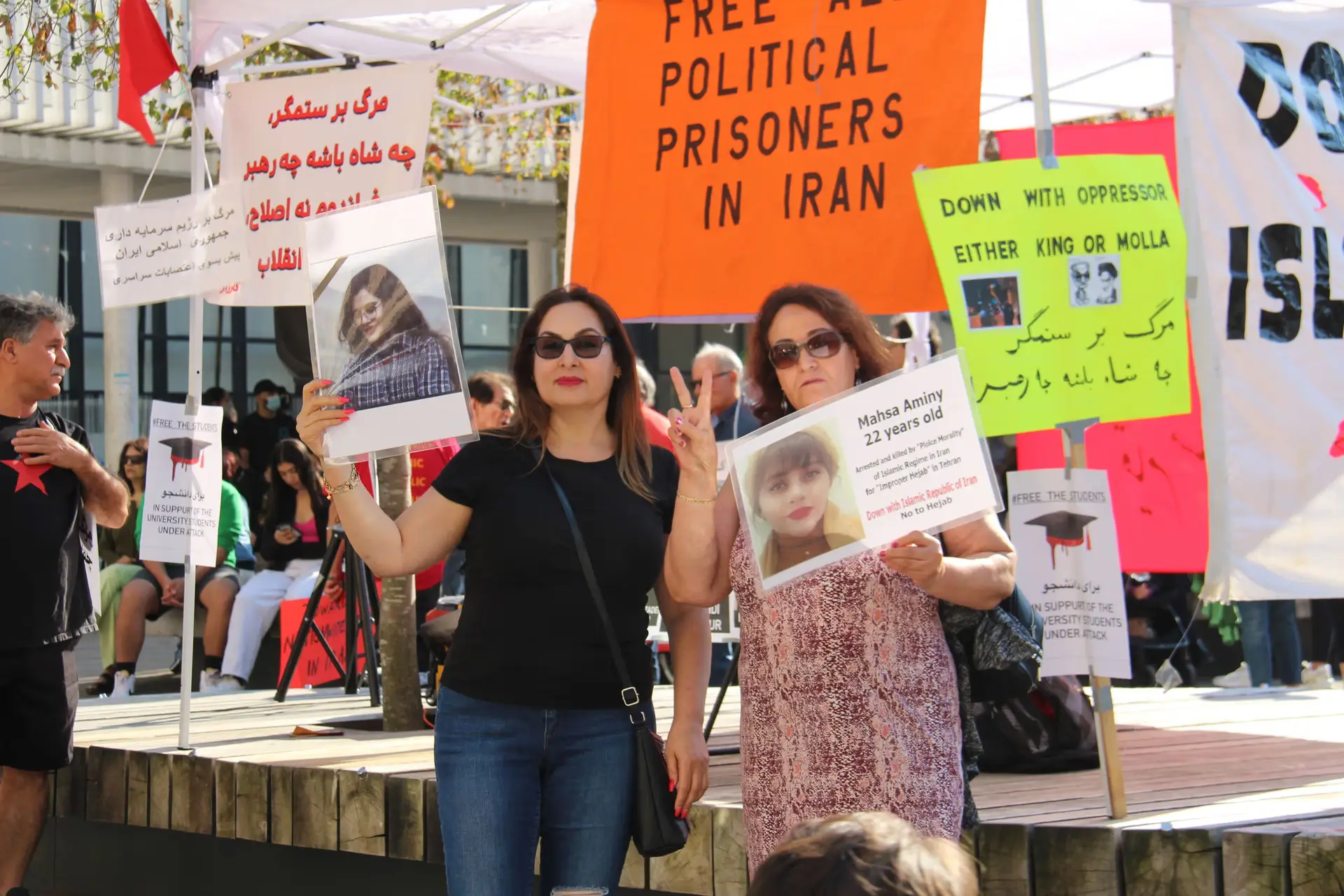
When an authoritarian state encounters severe economic discontent, its response is as predictable as it is ruthless: label the domestic unrest a foreign conspiracy and attempt to silence the dissenters. In Tehran, the brutal suppression of mass demonstrations left behind broken families and familiar regime excuses. Yet, for some victims, the state apparatus has failed to achieve total silence, even if those who survive are forced to conduct their campaigns from exile.
On January 9, sixteen-year-old Sevda was shot dead on the outskirts of Tehran during widespread anti-government demonstrations. She had taken to the streets alongside her mother, Samira, driven by the memory of Mahsa Amini—whose death in custody over mandatory headscarf rules ignited nationwide fury—and Nika Shakarami, another young woman killed during the uprising against Iran's strict dress code. What began the previous month as public frustration over economic stagnation rapidly transformed into explicit calls for an end to the Islamic Republic.
Now living in hiding abroad, Samira operates as a self-described one-woman army, aiming to document and name the specific members of the security forces and officials who fired the fatal shots. Her campaign is a systematic attempt to hold individual enforcers accountable, even as she acknowledges that a return to normal life is impossible. For dissidents remaining inside the country who spoke to BBC Panorama, holding on to hope has proven increasingly difficult after the street movement was forcefully crushed.
The apparatus in Tehran accepts no domestic responsibility for the fatalities. Official statements from the Iranian embassy in London maintained that peaceful and legitimate protests had been hijacked by foreign powers, including the US, which promoted violence, provided weapons and equipment, and compromised public security.
Blaming external powers for domestic unrest is a convenient playbook, but it does not erase the economic grievances that initially impelled people to march. While security forces may have cleared the streets of Tehran, the conflict has simply shifted beyond Iran's borders, where exiles ensure the regime's enforcers remain named and remembered.
Written by Thorben Thiede thorben.thiede@alpineweekly.com