Nov 8, 7:00 AM
Swiss Youth Session Weighs Political Action Against European Unrest
Delegates in Bern present demands to parliament while expressing skepticism toward violent street protests.
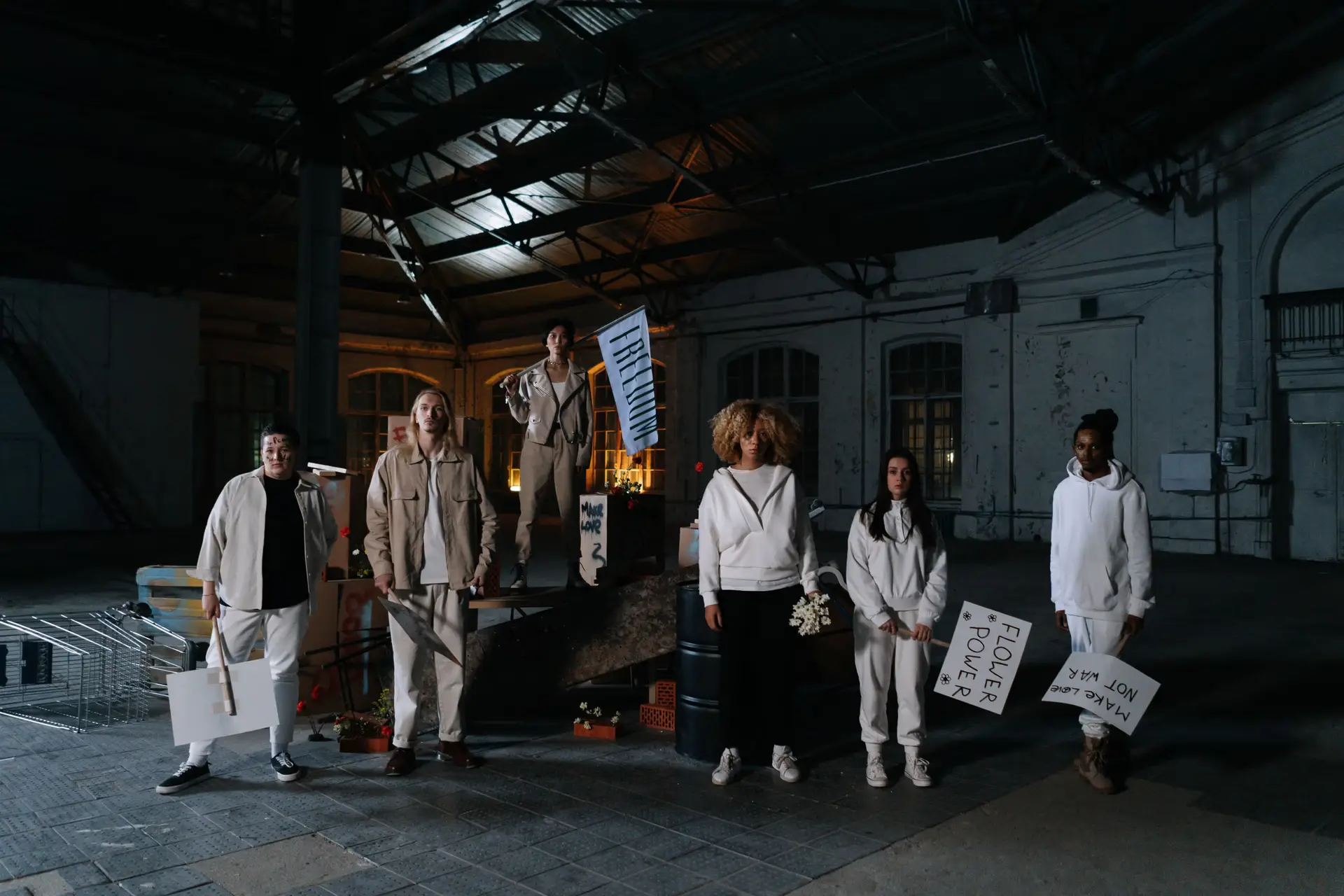
Young representatives gathered in Bern for the 35th Youth Session to formulate political proposals and evaluate the rising wave of youth unrest across Europe. Following four days of debates, the participants symbolically presented their recommendations to Stefan Engler, President of the Swiss Council of States.
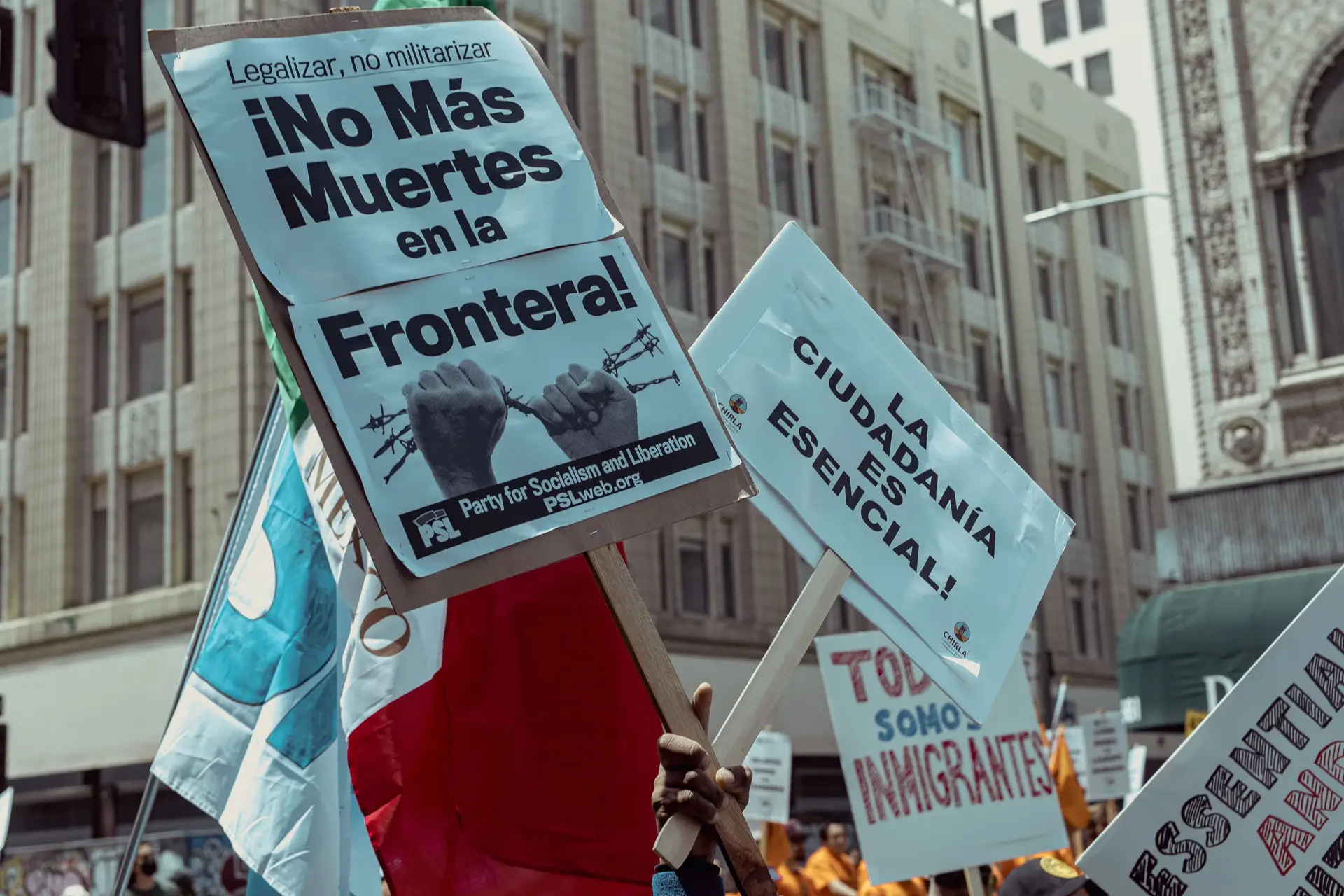
Across several European countries, young people have taken to the streets to demonstrate against rising living costs, precarious employment prospects, and inadequate educational conditions. Similar protests and unrest have also occurred in Swiss urban centers such as Zurich and Basel, with a major youth strike planned for late November.
Many participants at the Bern conference drew a clear distinction between the situation in Switzerland and that in neighboring nations. Aleks Sosnovski, a 16-year-old attendee, described Switzerland as one of the best places to live, arguing that local conditions provided little justification for street protests. Samwel Shahadat, aged 17, similarly noted that while the right to demonstrate exists, public protests carry greater justification in countries such as France or Italy.
Political polarization and aggressive protest methods were highlighted as concerns by several delegates. Lukas Frey, aged 18, warned against framing the younger generation strictly as an angry bloc, emphasizing the need for constructive solutions amid growing political division. Emilia Mirovska, president of the Junge Mitte Basel, stated that unapproved demonstrations and violent clashes were counterproductive, adding that such actions risk alienating older generations rather than encouraging dialogue.
Other delegates expressed support for public demonstrations despite Switzerland's economic stability. Giulia Bucheli of the Junge Grüne, who co-organized the session, stated that Swiss youth have a legitimate reason to be angry about global challenges such as climate change, which affects all populations regardless of privilege. Data from the youth organization Pro Juventute indicates that approximately one-third of young people in Switzerland hold a negative outlook on the future. Lulzana Musliu, head of politics and media at Pro Juventute, noted that Swiss youths share many of the core anxieties seen abroad, including job security, financial pressures, and housing availability.
Beyond economic concerns, attendees identified artificial intelligence, international conflicts, and an aging society as central challenges for their future. Over the 35-year history of the Youth Session, the gathering has led directly to nine parliamentary motions in the Federal Assembly. Whether the proposals handed to Council of States President Engler result in legislative action remains subject to parliamentary approval.
Written by Thomas Nussbaumer thomas.nussbaumer@alpineweekly.com