Nov 9, 9:01 AM
Swiss Electorate to Decide on Strict Regulations for Private Fireworks
A nationwide vote on November 29 targets noise-emitting pyrotechnics while preserving traditional public displays.
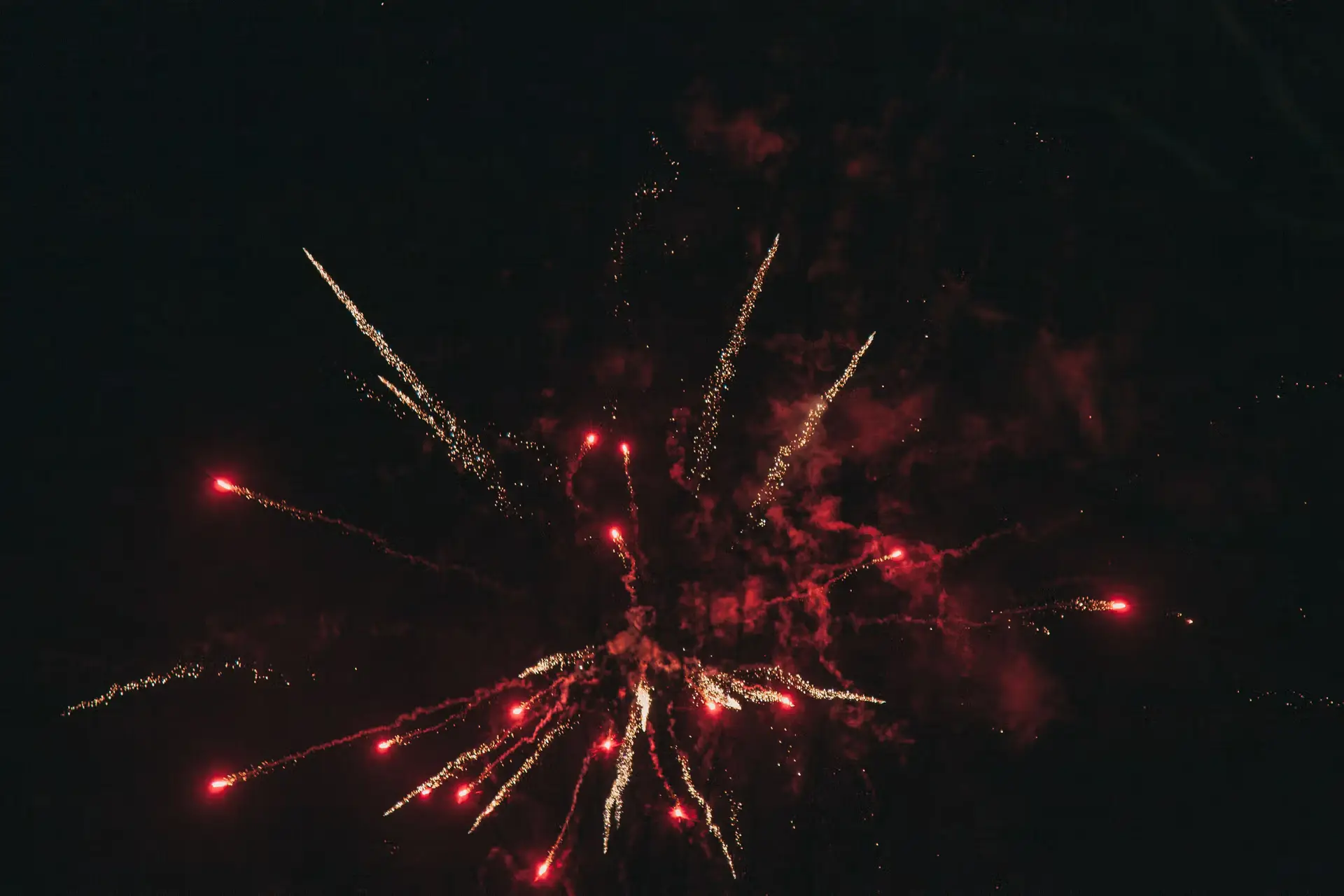
Swiss voters will decide on November 29 on a popular initiative that seeks to ban the sale and private use of noisy fireworks across the country. The initiative, titled "For a restriction of fireworks," leaves room for quiet pyrotechnics while restricting loud devices to authorized public events.
Under the proposed rules, private individuals would no longer be permitted to ignite noise-generating fireworks, even during major national festivities. Large-scale professional pyrotechnic events, such as celebrations for the National Day on August 1 or municipal festivals, would remain possible but would require prior approval from cantonal authorities.
Pyrotechnics have a long history in Switzerland, dating back to the late Middle Ages when explosive devices were used at military victory celebrations, city festivals, and religious events. According to Mischa Gallati, a researcher at the University of Zurich specializing in everyday culture and traditions, early fireworks were characterized more by noise than by visual effects. In the nineteenth century, the expanding tourism industry became the main catalyst for modern displays, as resort towns organized lake festivals to entertain foreign guests.
The development is illustrated by the history of the fireworks display at the Rhine Falls near Schaffhausen. Hoteliers first organized fireworks there in 1857, eventually leading to a schedule of roughly 50 smaller displays per season managed by a semi-public organization. Sigi Vogel, who has served as chief pyrotechnician for the event for 56 years, stated that attendance peaked as the displays became concentrated around the August 1 holiday. In 1955, documented sales showed over 20,000 paid entry tickets at 50 Rappen each, whereas the modern "Fire on the rocks" display on July 31 currently draws between 12,000 and 14,000 visitors.
While major public shows like the Rhine Falls event would be exempt from a general ban, private fireworks developed much later in Swiss history. According to Gallati, private pyrotechnics only became common after the Second World War, driven by rising purchasing power, cheaper manufacturing techniques, expanded imports, and reduced official regulation. New Year's Eve fireworks emerged even more recently as a practice adopted from abroad.
Gallati emphasizes that the historical age of a custom is not the decisive factor in whether it constitutes a tradition, but rather whether the practice is repeated and viewed as meaningful by the population. The nationwide vote on November 29 will determine whether private noisy fireworks will continue or be restricted to licensed public celebrations.
Written by Thorben Thiede thorben.thiede@alpineweekly.com