Nov 11, 5:01 PM
Spain Hit by First General Strike in 14 Years Over Housing Costs
Unions and business leaders offer contrasting assessments of turnout weeks ahead of snap parliamentary elections.
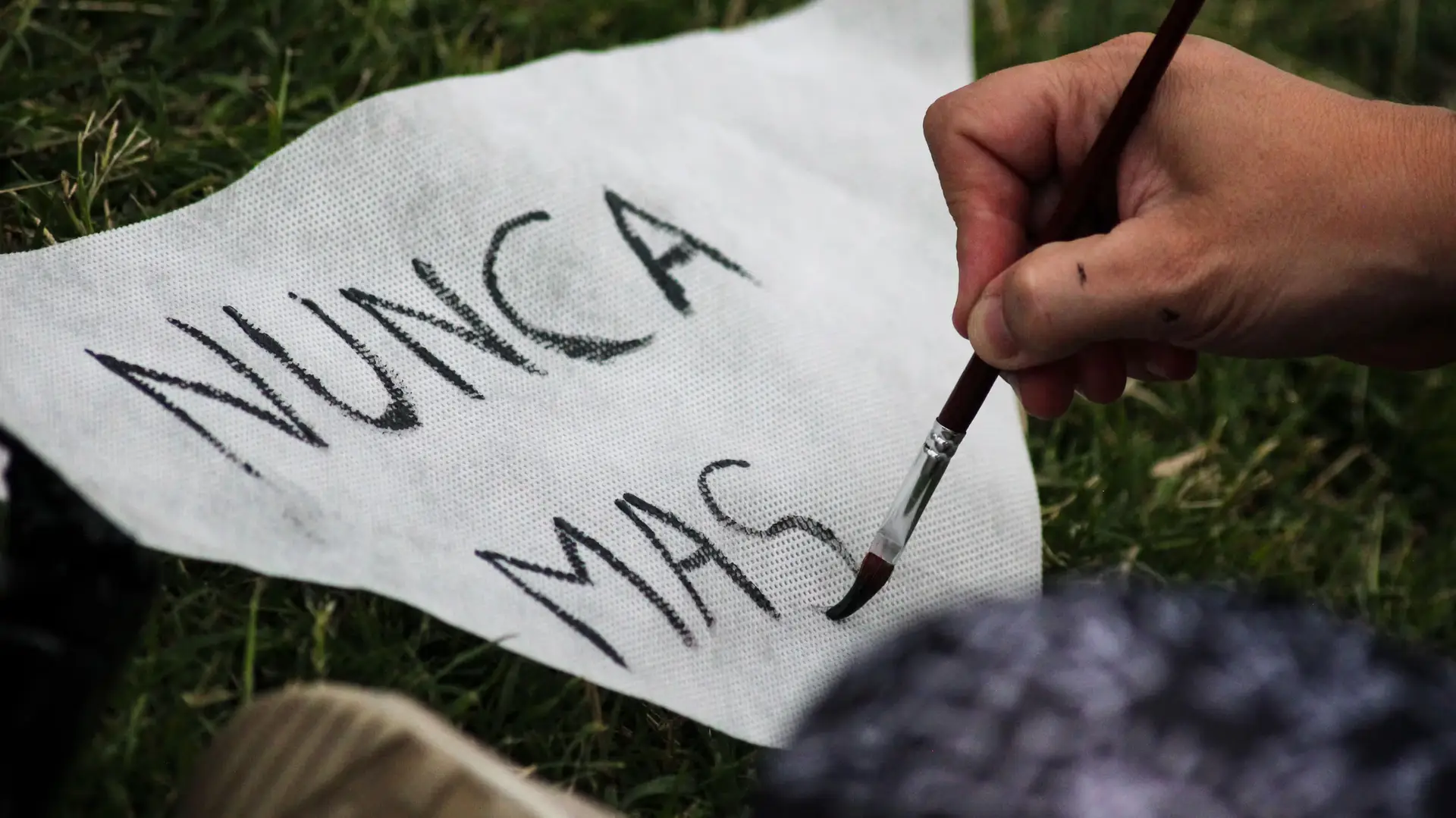
Transport networks and public services across Spain experienced widespread disruptions on Wednesday as major trade unions held the country's first general strike in 14 years. The day of action, called to protest high living expenses and housing unaffordability, occurs less than three weeks before national parliamentary elections scheduled for 29 November.
Data from grid operator Red Eléctrica showed industrial electricity consumption dropped by 7.5 percent in the early hours of Wednesday. By comparison, power demand fell by more than 15 percent during Spain's previous general strike in 2012 under the conservative administration of Mariano Rajoy. Major industrial areas in Madrid and Catalonia saw significant traffic delays due to road blockades, while the Interior Ministry reported dozens of arrests following incidents that included damage to real estate agency premises.
The protest followed mounting social tension over rising shelter costs across major Spanish cities. According to figures from property portal Idealista, the average monthly rent for a 50-square-meter apartment in Madrid reached 1,170 euros in October, against an average national gross monthly salary of 2,460 euros. Union organizers cited the eviction of 87-year-old Madrid resident Maricarmen Abascal, who died in hospital shortly after being removed from her apartment of seven decades following a rent increase, as the immediate trigger for the movement.
Trade unions and business leaders presented conflicting reports on the extent of participation. UGT union leader Pepe Álvarez stated that participation was massive, while Unai Sordo of the CC OO union called turnout very significant. Conversely, Miguel Garrido, vice-president of the CEOE business confederation, described participation as low and uneven, arguing that the strike was motivated by political considerations related to the snap election rather than labor conditions.
Prime Minister Pedro Sánchez, who called early elections after parliament rejected his housing reform plan, expressed support for the strike actions. Opposition leader Alberto Núñez Feijóo of the People's Party criticized the government's stance, with party spokesman Miguel Tellado accusing the administration of attempting to influence voters ahead of the poll. The People's Party currently holds a lead in opinion polls prior to the 29 November vote.
Written by Martina Kirchner martina.kirchner@alpineweekly.com