Oct 18, 10:01 PM
Shadows over Ceuta: Spain’s belated naval spine
By switching from passive tracking to active naval interception, Madrid is finally testing whether Rabat respects sovereign borders or merely exploits naval passivity.
Madrid has finally discovered that watching foreign naval incursions through a pair of binoculars is not quite the same as protecting sovereign borders. For months, Spanish authorities contented themselves with passive surveillance while Moroccan vessels tested the waters off Ceuta and Melilla under the legal pretext of innocent passage. Now, the Spanish Navy has adjusted its protocol, choosing to deploy warships directly rather than observing from a safe distance.
The legal cloak routinely cited by Rabat rests on the United Nations Convention on the Law of the Sea, which permits foreign craft to transit territorial waters without hindrance. Until late July, Spain’s Maritime Action Operations and Surveillance Centre tracked these naval maneuvers strictly on radar screens. That passive routine unravelled during a land border breach at Ceuta, when the Moroccan warship Mohammed VI entered Spanish waters. The intrusion forced the Ministry of Defence to dispatch two additional patrol vessels from Rota, while the Chief of the Defence Staff directly demanded that Rabat halt the maneuver.
Following that late-July episode, the operational doctrine changed. Naval commanders no longer wait for foreign vessels to enter territorial waters before responding. Instead, Spanish ships now sail out to intercept and shadow them, forcing a clear operational distinction between legitimate transit and deliberate intimidation.
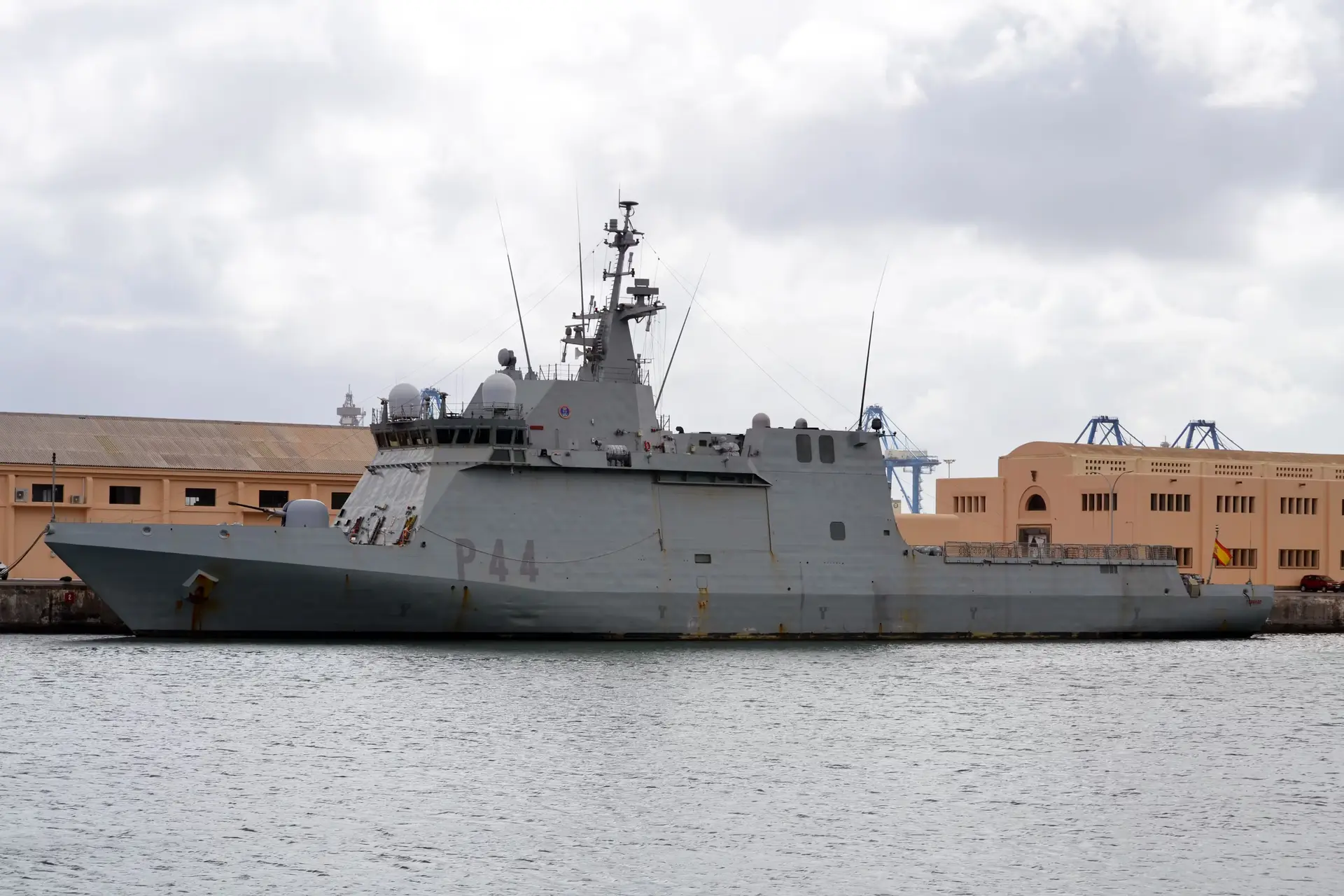
To enforce this posture, Madrid deployed the patrol vessel Atalaya to Ceuta. Carrying four machine guns, a cannon, and a crew of 48 from its base in Ferrol, the ship is tasked with actively enforcing international law and guarding maritime interests. Off Melilla, the smaller Isla de León—manned by ten crew members and equipped with a Browning machine gun—operates around Perejil Island and Ceuta, providing a visible response to ongoing Moroccan pressure.
This forward presence has produced immediate results. According to the Civil Guard, the Navy, and the Interior Ministry, Moroccan-flagged activity in these waters has dropped, with zero instances of innocent passage recorded during a recent royal visit and the days that followed. Whether this belated showing of tactical strength will translate into long-term deterrence across the Strait remains open to doubt, but it marks an uncharacteristic end to Madrid’s habit of looking the other way.
Written by Martina Kirchner martina.kirchner@alpineweekly.com